Jantar Mantar will amuse the admirers of outer space, the universe, and the planets. It is a live example of what a passionate king does for his hobbies. The Jantar Mantar is a 19th-century Astronomical Observatory made by the founder of Jaipur city – Maharaja Sawai Jai Singh II. He was fond of outer space and to feed his curiosity, built this spectacular observatory. The amazing observatory consists of 19 pieces of equipment with exact measurements.
Quick Hit: What Makes Jantar Mantar So Special?
- World’s largest stone sundial (yep, it tells time to the second)
- 19 gigantic astronomical instruments — all built without telescopes
- A UNESCO World Heritage Site (aka globally recognized nerd-heaven)
- Built in 1734 by Maharaja Sawai Jai Singh II — the same guy who founded Jaipur
The Backstory: Royal Nerd Vibes
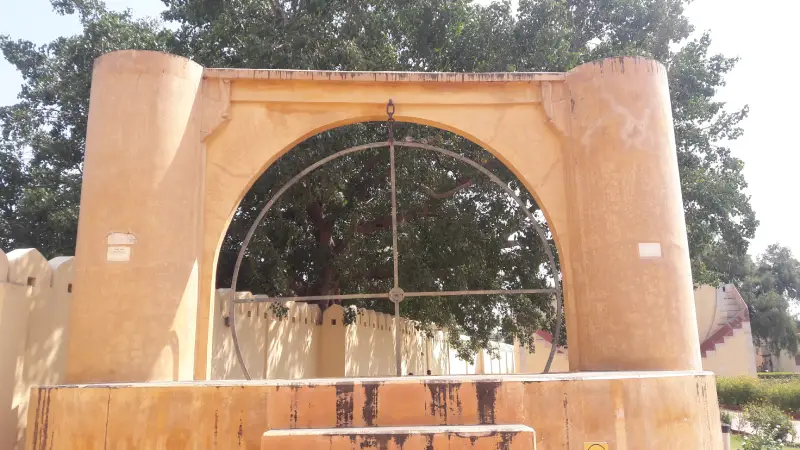
By Nagarjun53 – Own work, CC BY-SA 4.0, Link
Maharaja Sawai Jai Singh II wasn’t your average 18th-century king. Dude was a math and astronomy buff who realized that existing astronomical charts (called Zij) were way off. So instead of grumbling, he built not one, but FIVE mega-observatories across India. Jaipur’s Jantar Mantar became his showstopper — the biggest and baddest of them all.
Is It Worth Visiting?
Heck yes. Whether you’re into astronomy, architecture, photography, or just want a unique experience far from the usual palace-and-fort routine — Jantar Mantar delivers. It’s weird, wonderful, and totally unexpected. Plus, where else can you use a 300-year-old calculator bigger than your house?
Pro Tips for Your Visit
- Best time to go: Morning, before the sun starts baking the marble.
- Entry tickets: Super affordable — and worth every rupee.
- Get a guide or audio tour — the backstories are wild.
- Bring your camera. The geometry and shadows? Chef’s ki
How to Reach
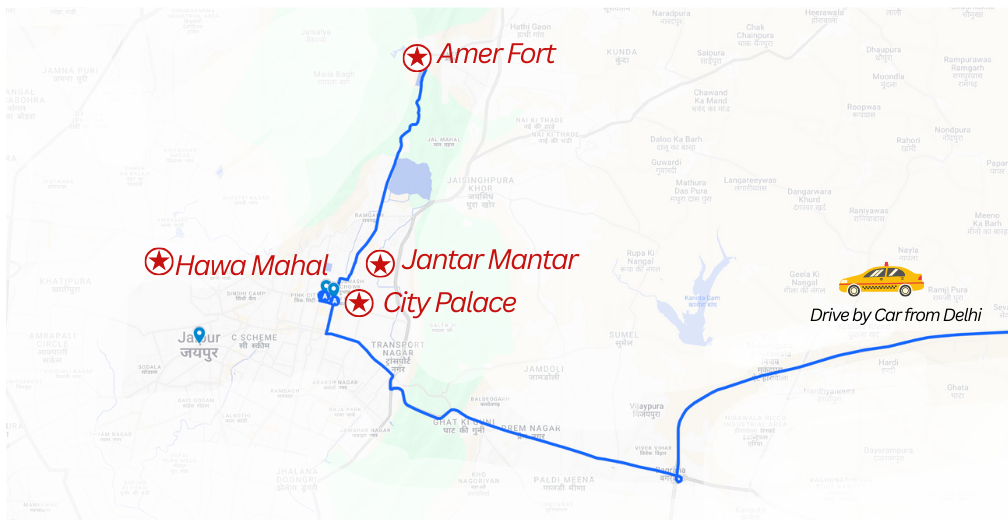
Getting to Jantar Mantar is super easy, no matter where you’re staying in Jaipur:
By Air: Land at Jaipur International Airport (JAI), then grab a cab or Uber — it’s about a 30-40 min ride to the old city.
By Train: Jaipur Junction is the main railhead. From there, it’s a quick 15-minute auto or cab ride to the site.
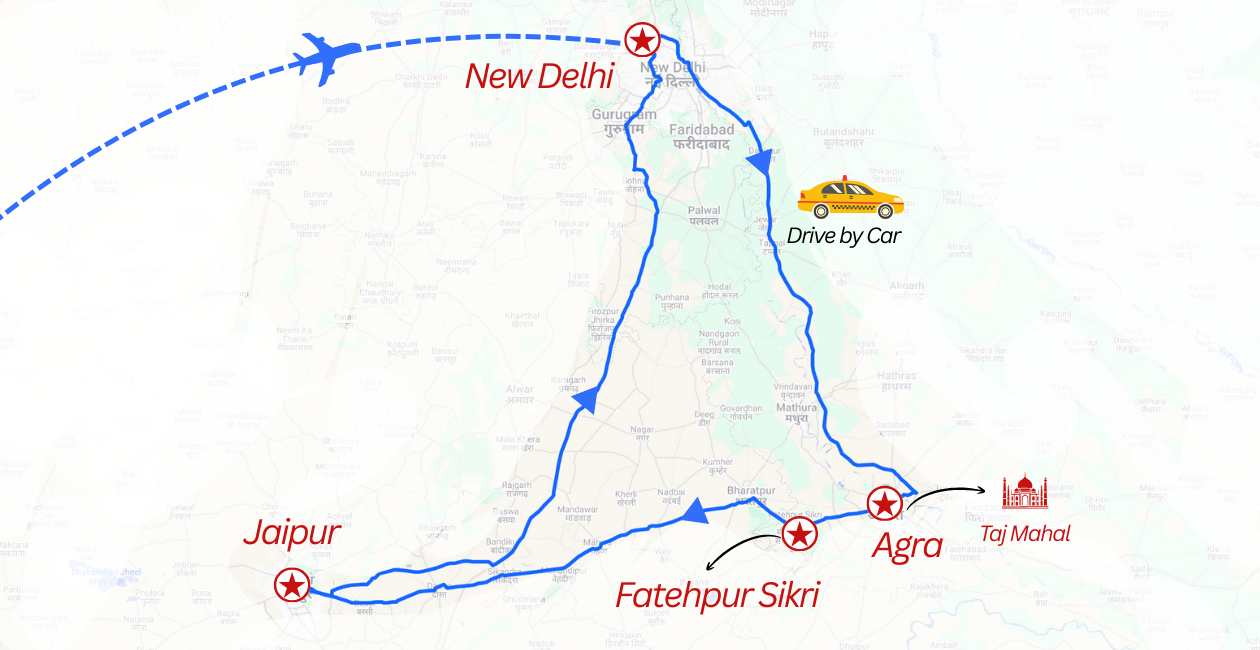
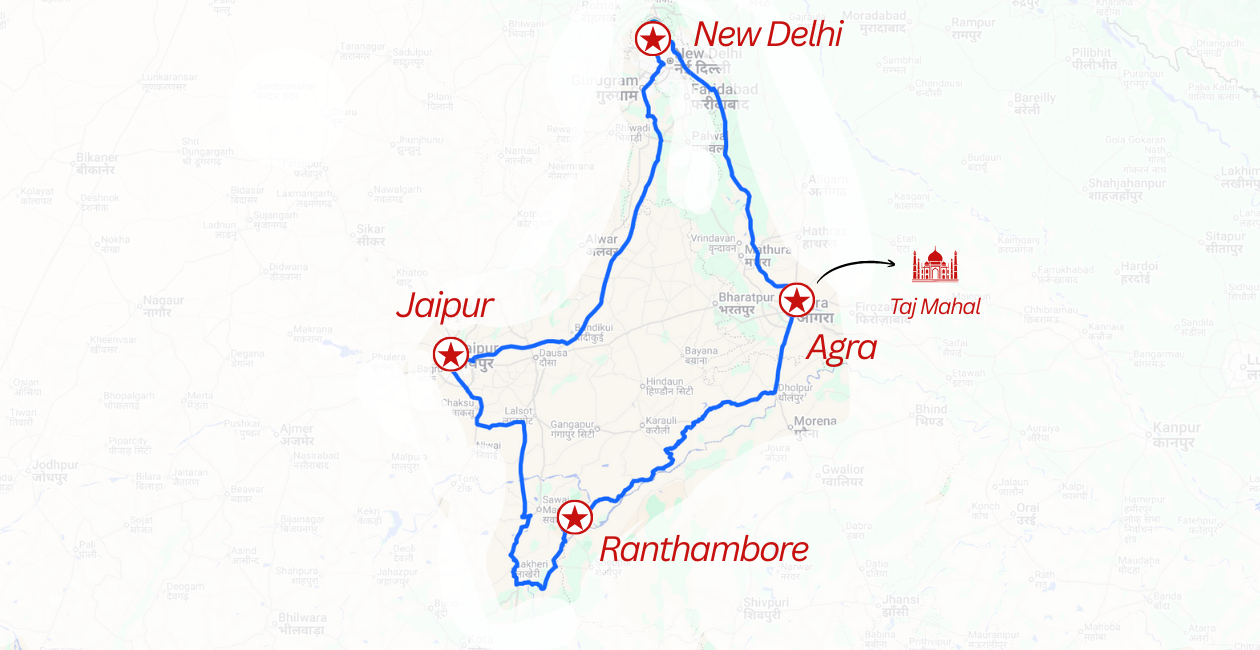
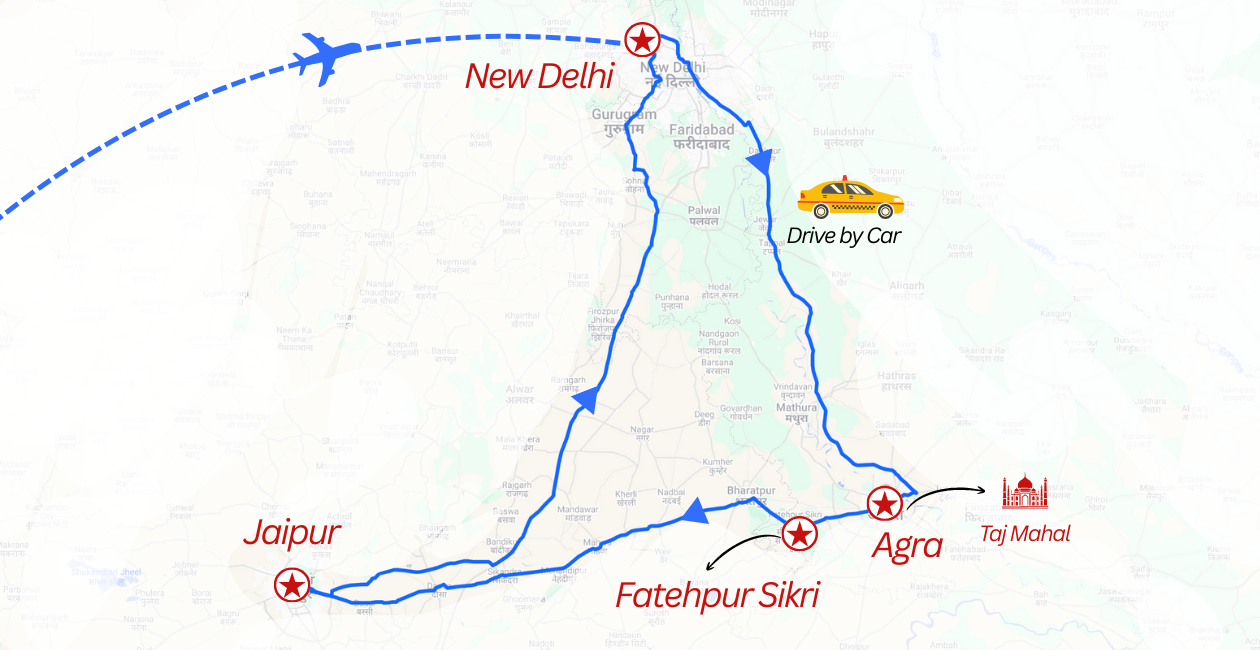
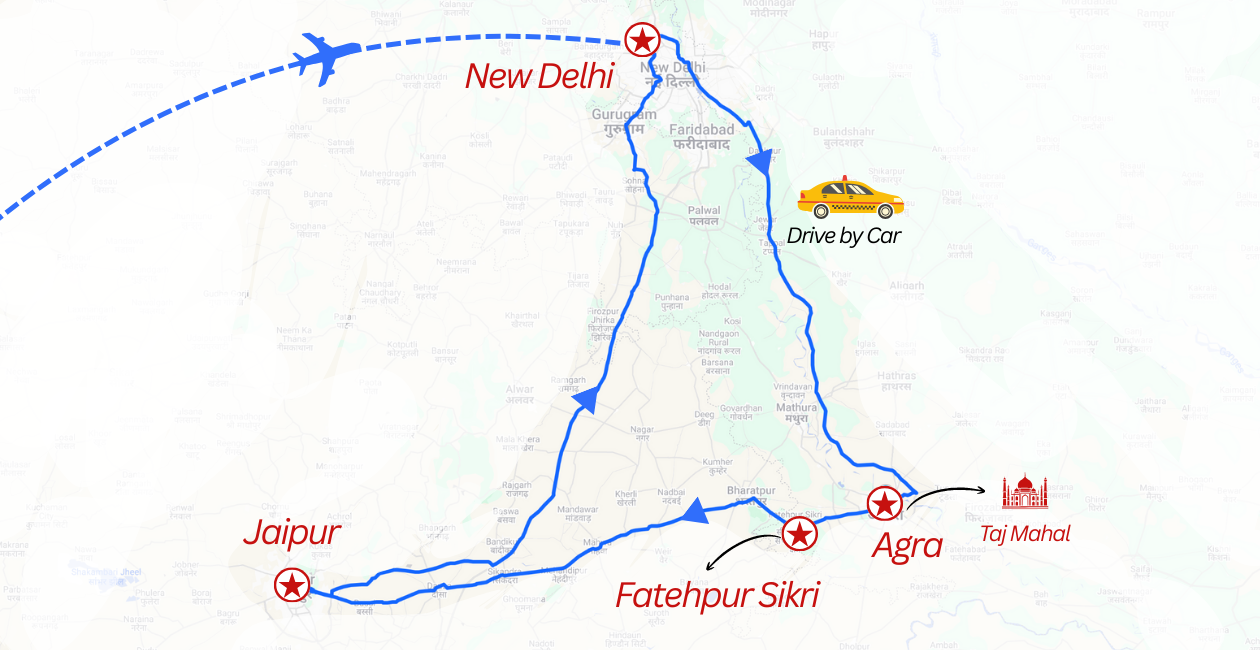
By Road: Jaipur is well connected by national highways. If you’re road-tripping from Delhi, it’s around a 5-hour drive.
Local Transport: Autos, tuk-tuks, and e-rickshaws are everywhere. Just ask for “Jantar Mantar” — every local knows it.