If you think museums are just quiet halls filled with old stuff, Albert Hall Museum in Jaipur is here to flip that script. Tucked inside the lush Ram Niwas Garden, this Indo-Saracenic architectural beauty is not just Rajasthan’s oldest state museum—it’s an all-out treasure chest of Indian craftsmanship, global artifacts, royal history, and even an Egyptian mummy. Yeah, you read that right.If you think museums are just quiet halls filled with old stuff, Albert Hall Museum in Jaipur is here to flip that script. Tucked inside the lush Ram Niwas Garden, this Indo-Saracenic architectural beauty is not just Rajasthan’s oldest state museum—it’s an all-out treasure chest of Indian craftsmanship, global artifacts, royal history, and even an Egyptian mummy. Yeah, you read that right
What Makes Albert Hall Museum So Special?
By Neek-Theri – Own work, CC BY-SA 4.0, Link
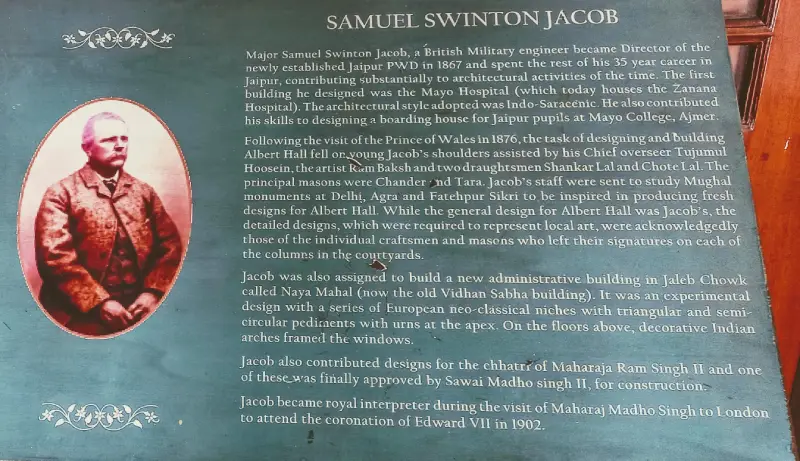
Imagine walking into a 19th-century time machine where East meets West. The building itself, designed by British architect Samuel Swinton Jacob, is a visual stunner with domes, arches, and colorful murals straight from Indian epics. But the real magic is inside.
Here’s what’s waiting for you:
- A collection of over 19,000 artifacts from all over India and the world
- Stunning arms and armor displays, giving major Game of Thrones vibes
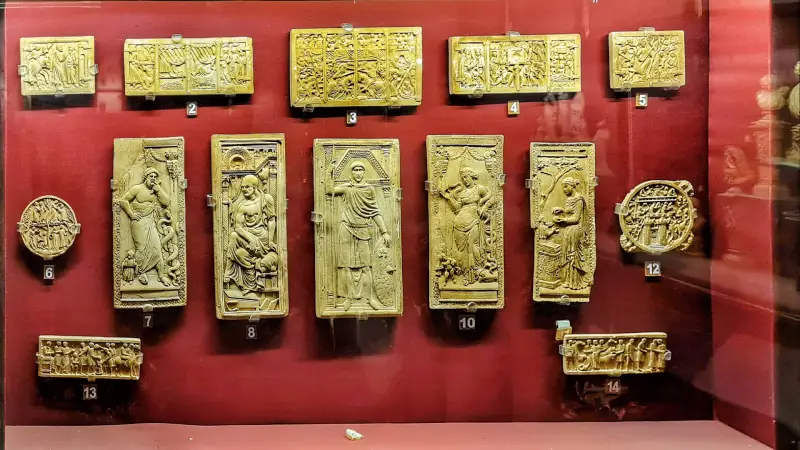
- Sculptures, miniature paintings, carpets, woodwork, ivory art, and metalwork
- A jaw-dropping 17th-century Persian garden carpet
- Pottery from across India, Europe, and Asia in one of the most diverse ceramic galleries in the country
- A real-deal Egyptian mummy that’s both creepy and awesome
Not to mention, they’ve got quotes from the Quran, Bible, and Hindu texts inscribed on the upper courtyard, plus six detailed murals from Mahabharata and Ramayana. It’s like history class meets art gallery meets Indiana Jones.
A Quick Peek at the Backstory
By Neek-Theri – Own work, CC BY-SA 4.0, Link
Originally planned as a town hall, the building’s fate changed when Maharaja Madho Singh II decided to turn it into a museum in 1887. His decision, with help from curator Colonel Thomas Hendley and engineer Samuel Jacob, brought about one of the most forward-thinking museums of the time. They even hired guides and demonstrators—a move that Western museums would later copy.
Fun Fact: Fridays were reserved just for women visitors back in the day, thanks to the local purdah culture. That’s how progressive this place was!
Crowd Favorite Exhibits
- Egyptian Mummy: The museum’s biggest celebrity
- Persian Carpet: A centuries-old masterpiece
- Arms & Armor: Mughal-era swords, shields, and chainmail
- International Art: Pieces from Japan, Sri Lanka, Germany, Austria & more
- Ancient Coins: From Gupta to Mughal to British India
- Pottery Paradise: One of the largest and most varied collections in India
Perfect for: History buffs, art lovers, culture vultures, curious families, and even casual travelers looking for an unforgettable afternoon.
How to Reach
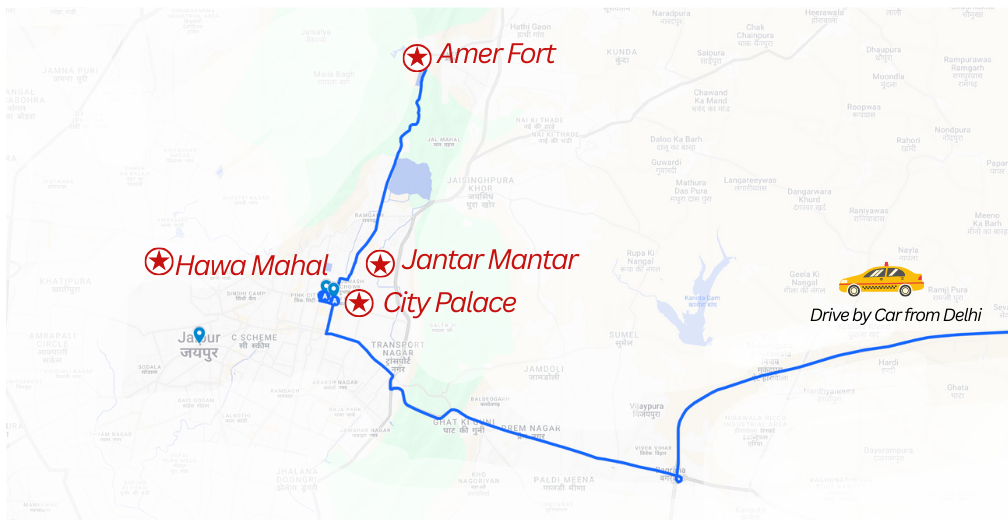
Albert Hall Museum is located in the heart of Jaipur, right outside the old city walls near New Gate in Ram Niwas Garden.
By Air: The nearest airport is Jaipur International Airport (JAI), about 12 km (7.5 miles) away. You can hop in a cab or use ride-sharing apps like Uber or Ola.
By Train: Jaipur Junction is the main train station and is just 6 km (about 3.7 miles) from the museum. From there, grab an auto-rickshaw or a cab.
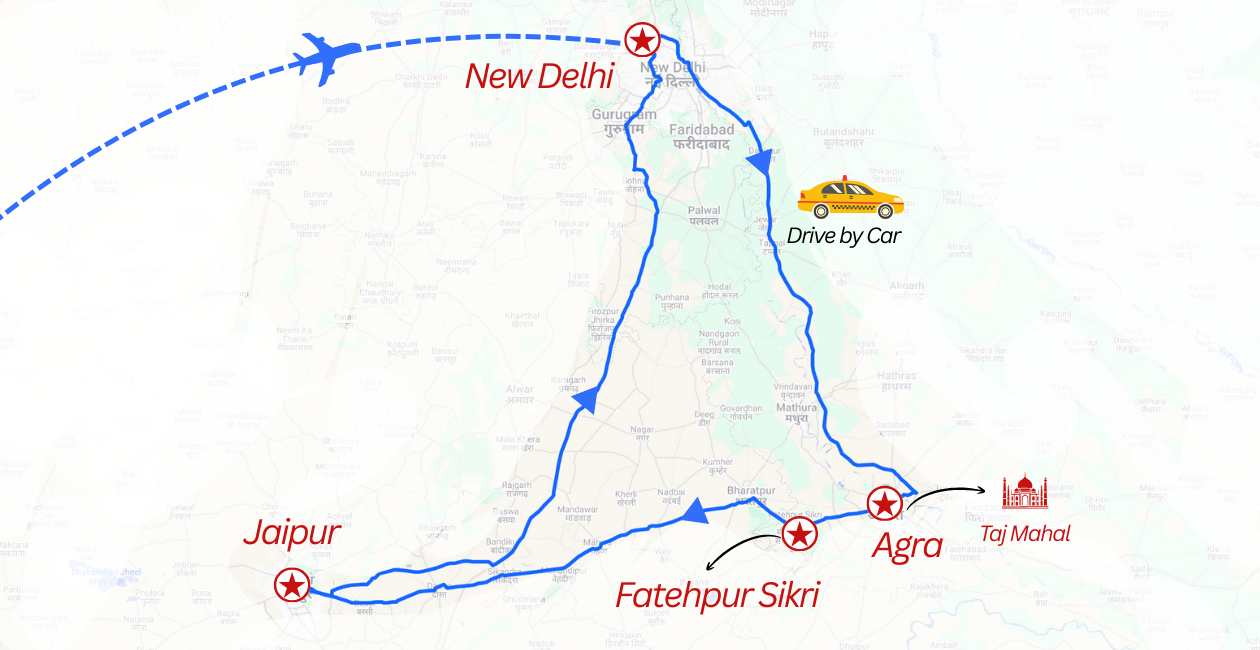
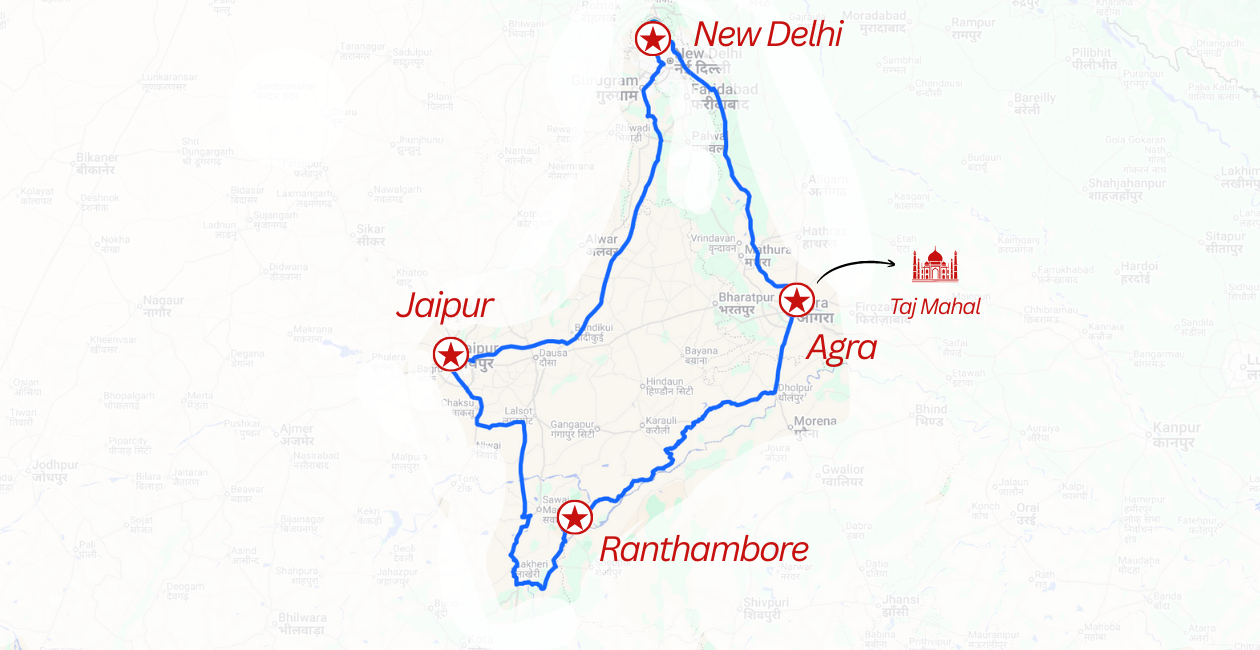
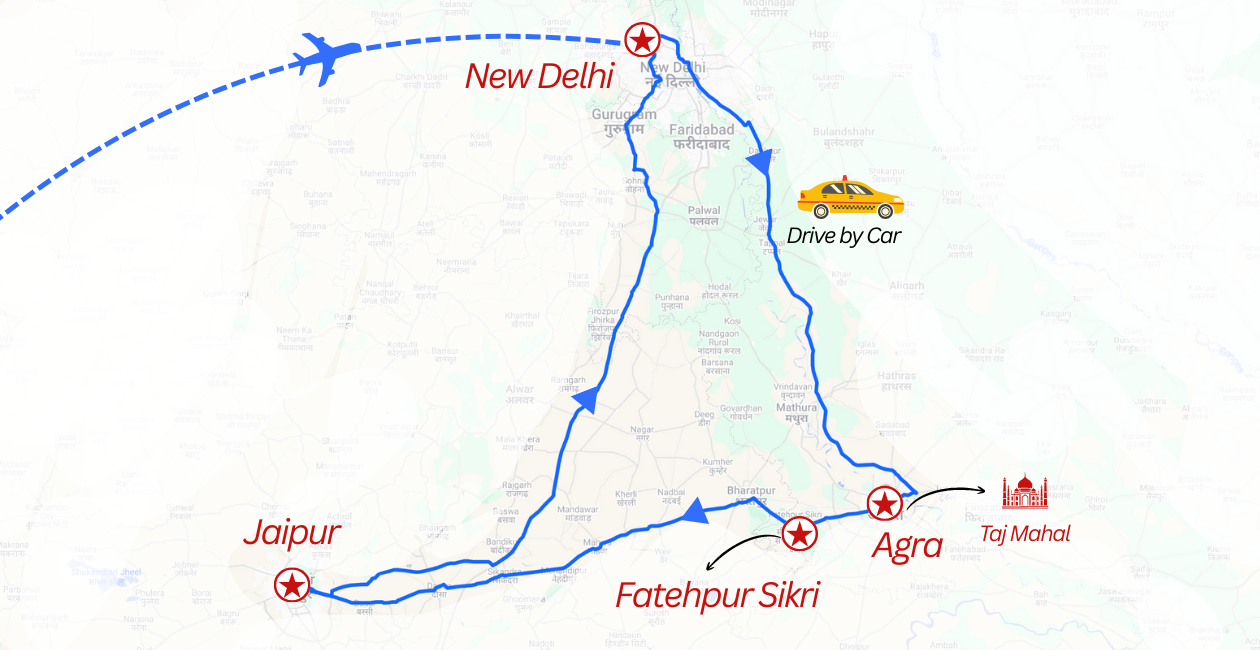
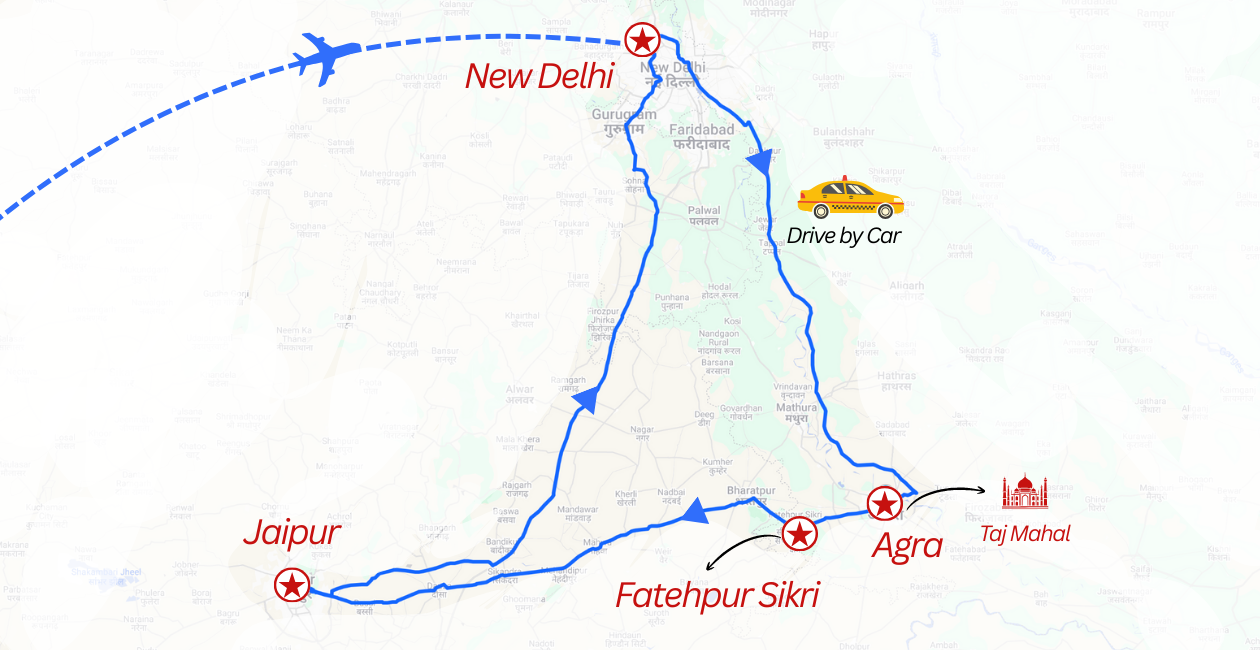
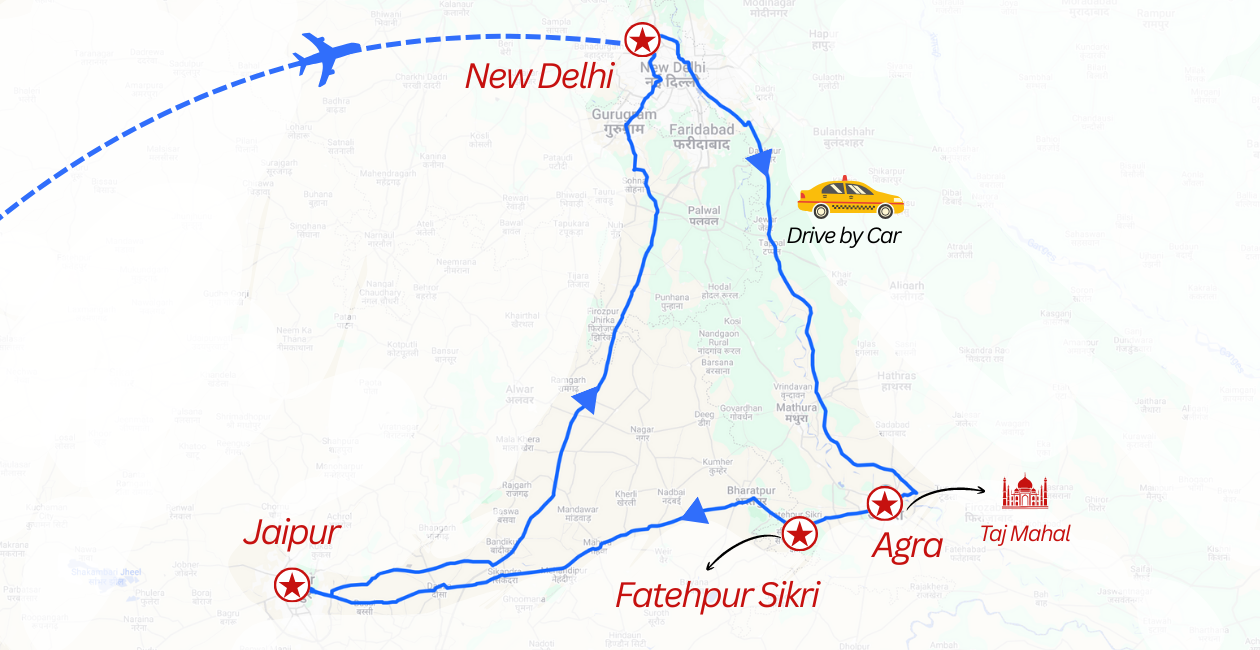
By Road: Whether you’re coming from Delhi (about 5 hours) or other parts of Rajasthan, Jaipur is well connected by highways and bus routes. Private taxis or rental cars are super convenient.
Local Travel: Once in Jaipur, you’ve got options—tuk-tuks, e-rickshaws, cabs, or even a guided city tour that includes Albert Hall as a stop.