If you’re heading to India and want a mix of royal bling, colorful chaos, and historic charm, Jaipur should be sitting at the top of your travel list. Known as the “Pink City” (and yeah, it’s really pink), Jaipur is more than just a photogenic stop on your Golden Triangle tour. It’s a full-on experience – ancient palaces, bustling bazaars, and a vibe that feels straight out of a movie set.
But here’s the real kicker: in 2019, Jaipur was officially added to the UNESCO World Heritage Cities list. That’s right – this place isn’t just pretty, it’s globally recognized for its cultural value, architectural genius, and straight-up legacy.
What is Jaipur Heritage City?
UNESCO doesn’t just hand out “Heritage City” titles for fun. A city has to be the real deal – and Jaipur checks all the boxes.
Founded in 1727 by Maharaja Sawai Jai Singh II, Jaipur is one of the first planned cities in India. Designed by architect Vidyadhar Bhattacharya using ancient Indian principles (think Vastu Shastra + Shilpa Shastra), it’s laid out in a grid with wide roads, perfectly aligned buildings, and a central royal palace.
And the pink? That dates back to 1876, when the whole city was painted rosy-pink to welcome the Prince of Wales. They never went back – and that signature color is now iconic worldwide.
What’s Included in Jaipur’s Heritage Zone?
When we talk “Jaipur Heritage City,” we’re mostly referring to the walled city – the heart of Jaipur where history still breathes through sandstone walls, grand forts, and narrow lanes. Here are the top spots inside or closely tied to the UNESCO-recognized heritage zone:
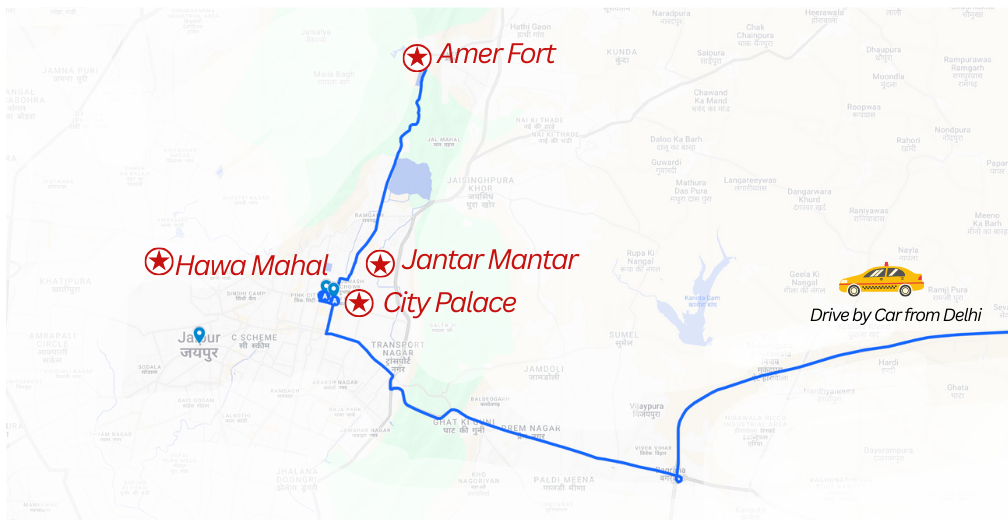
Hawa Mahal (Palace of Winds)
This five-story façade is all about style and mystery. It was built so royal ladies could peek at the street action without being seen. Talk about elite people-watching.
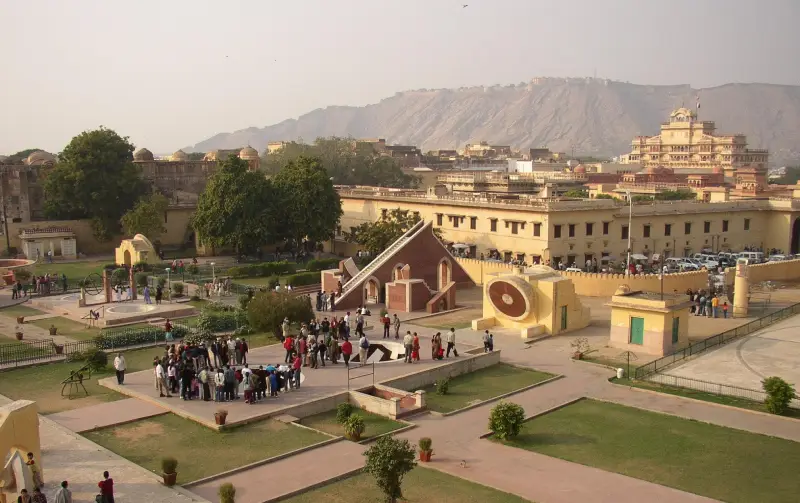
Jantar Mantar
An 18th-century astronomical observatory that still blows minds. Sundials, giant stone instruments, cosmic vibes – it’s part science, part sculpture.
City Palace
The royal residence and museum is a living piece of history – and still partially occupied by Jaipur’s royal family. Think museums, courtyards, and Mughal-meets-Rajput design.
Amer Fort (aka Amber Fort)
While just outside the city center, this massive hilltop fort is part of Jaipur’s heritage magic. With marble halls and mirrored palaces, it’s straight out of a fairy tale.
Govind Dev Ji Temple
A spiritual and cultural landmark nestled inside the City Palace complex. Expect crowds, chants, and serious divine energy.
Nahargarh & Jaigarh Forts
Built for defense and sunset views. Nahargarh gives you epic views of the city, while Jaigarh houses the world’s largest cannon on wheels.
So Where Is Jaipur Heritage City Located?
The Heritage City area is mostly the walled city – which includes neighborhoods and landmarks like:
- Badi Chaupar & Chhoti Chaupar (major city squares)
- Tripolia Bazaar, Johari Bazaar (shopper’s paradise)
- Hawa Mahal, City Palace, Govind Dev Ji Temple
- Jantar Mantar and surrounding royal zones
Getting There and Around
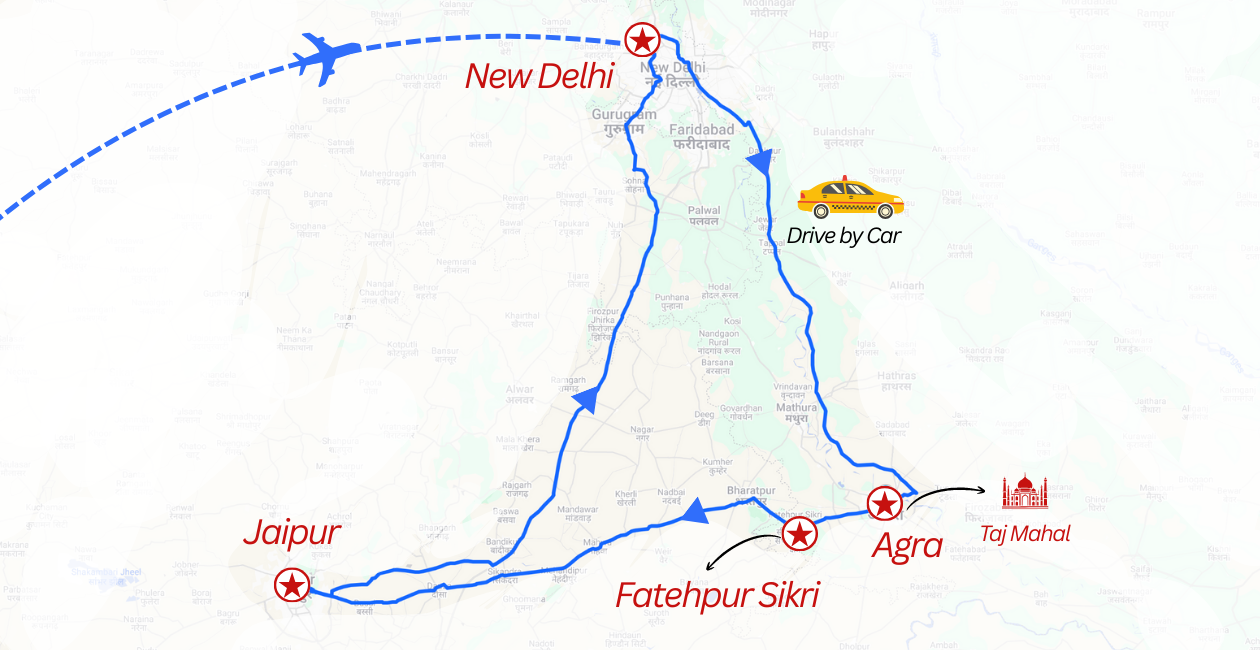
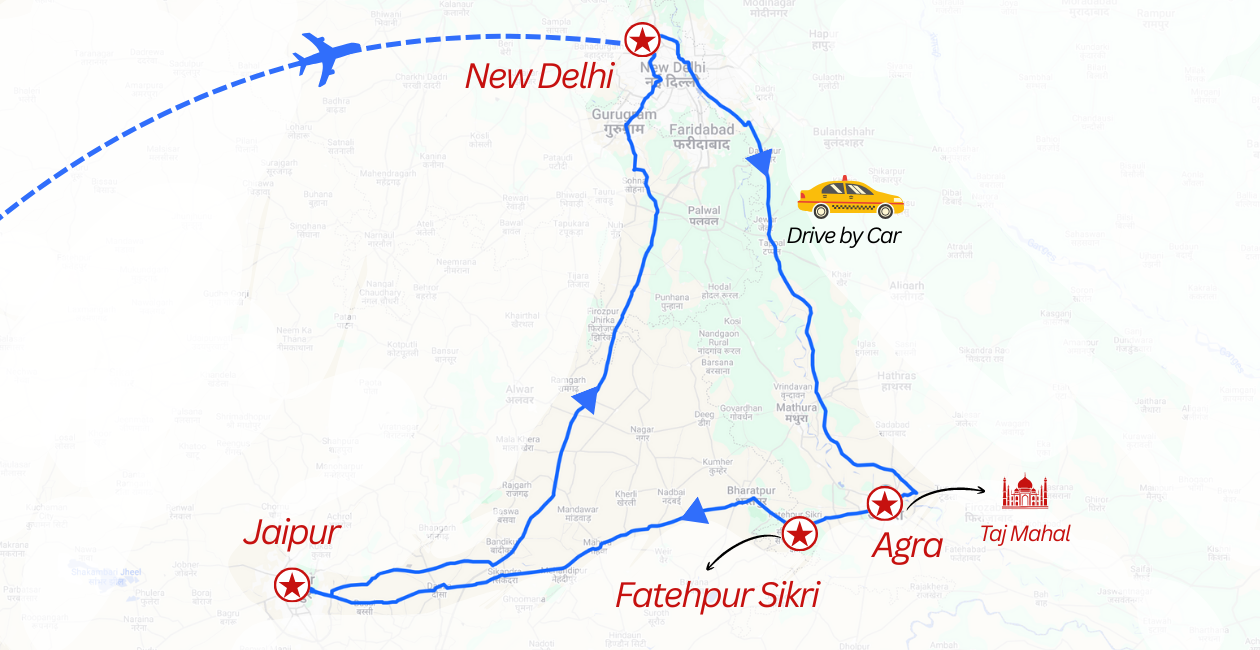
- Jaipur International Airport is just 30–40 minutes from the walled city.
- Uber and Ola are available, or grab a rickshaw for that local flavor.
- Most heritage spots are walkable once you’re inside the old city.