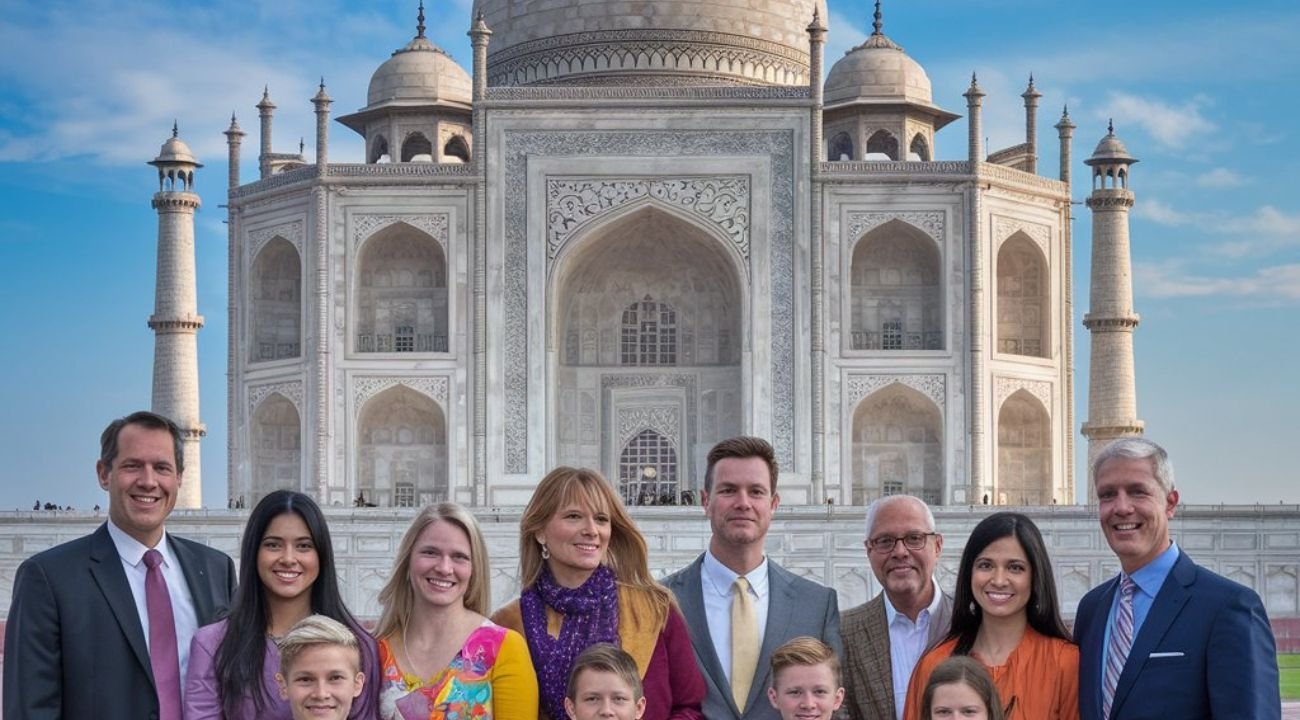
Ready to time travel? Step into the regal world of maharajas, epic architecture, and cultural richness at the City Palace in Jaipur, India. Nestled in the heart of the “Pink City,” this grand palace complex isn’t just a monument—it’s a living legacy of Rajasthan’s royal heritage. Whether you’re a history buff, architecture lover, or someone who just wants that perfect Instagram shot, City Palace is the real deal.
Why Is City Palace Famous?
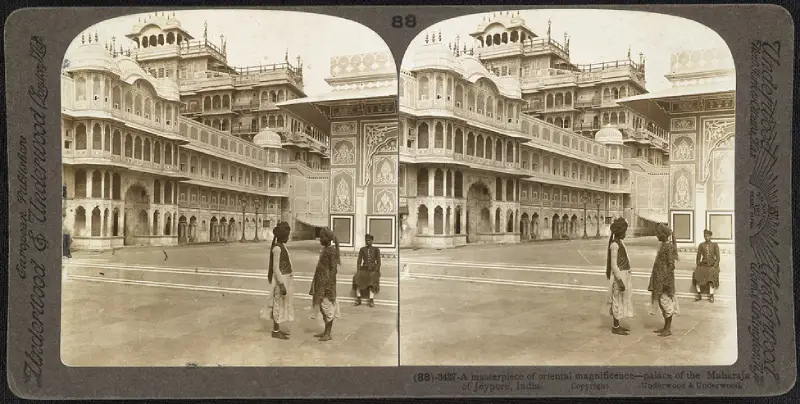
By James Ricalton – http://www.bl.uk/onlinegallery/onlineex/apac/photocoll/a/019pho000000181u00088000.html, Public Domain, Link
City Palace is famous for being the historic seat of power for the Maharajas of Jaipur and remains the official residence of the royal family to this day. Built between 1727 and 1732 by Maharaja Sawai Jai Singh II—the visionary who founded Jaipur—the palace fuses Rajput and Mughal architecture with a touch of magic. It’s not just a palace; it’s an entire complex with courtyards, gardens, museums, and temples, all radiating timeless elegance.
What You’ll See (And Why It’ll Blow Your Mind)
Chandra Mahal: The seven-story royal residence that still houses Jaipur’s royal family. Each floor has its own vibe—from mirror work to stunning blue décor.
Mubarak Mahal: Once the reception hall for foreign guests, now a textile museum flaunting royal costumes, pashmina shawls, and weapons.
Sarvato Bhadra (Diwan-e-Khas): The Hall of Private Audience featuring the legendary silver Gangajali urns—each over 5 feet tall and weighing 750 lbs. Record-breaking stuff.
Sabha Niwas (Diwan-e-Aam): Where the maharajas once addressed their people—think royal press conferences, 18th-century style.
Pritam Niwas Chowk: This courtyard is famous for its four seasonal gates, each decked out in mind-blowing artwork representing Hindu deities and seasonal themes. Peacock Gate is the crowd fave.
Govind Dev Ji Temple: A sacred space dedicated to Lord Krishna, located right inside the palace grounds.
City Palace Museum: Home to ancient artifacts, paintings, royal documents, and photographs that’ll make you feel like a character in a Netflix period drama.
Fun Fact: The “one and a quarter” flag flown at Chandra Mahal is a nod to a legendary royal boast that earned Jaipur’s maharajas the title “Sawai” (meaning 1.25 times more noble than others). Yeah, that’s royal swagger.
Can’t-Miss Photo Ops:
- The rainbow-colored Ridhi Sidhi Pol gates
- The peacock motifs at Pritam Niwas Chowk
- The jaw-dropping silver urns in Sarvato Bhadra
- The royal balconies of Chandra Mahal
Living History & Modern Vibes

By Chainwit. – Own work, CC BY-SA 4.0, Link
City Palace isn’t just a museum—it’s a venue for traditional festivals like Teej, Dusshera, and Makar Sankranti. Royal events, weddings, and cultural ceremonies are still held here. So don’t be surprised if you walk into a celebration with folk music, colorful attire, and kite-flying on the rooftops.
How to Reach
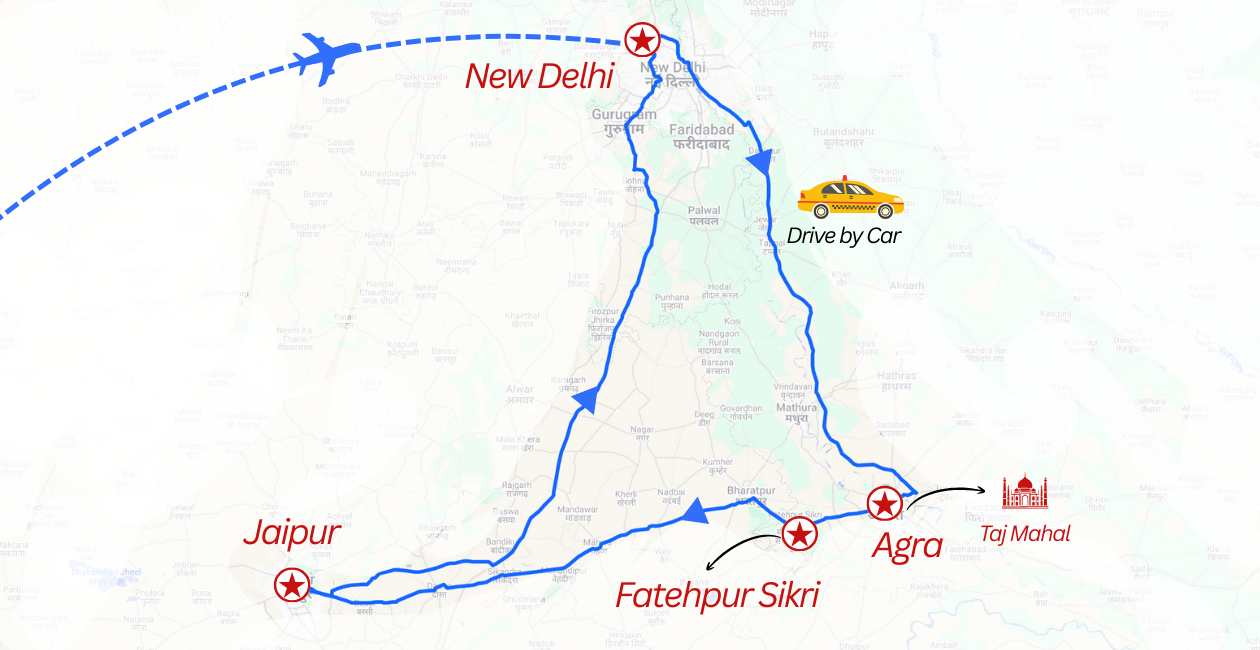
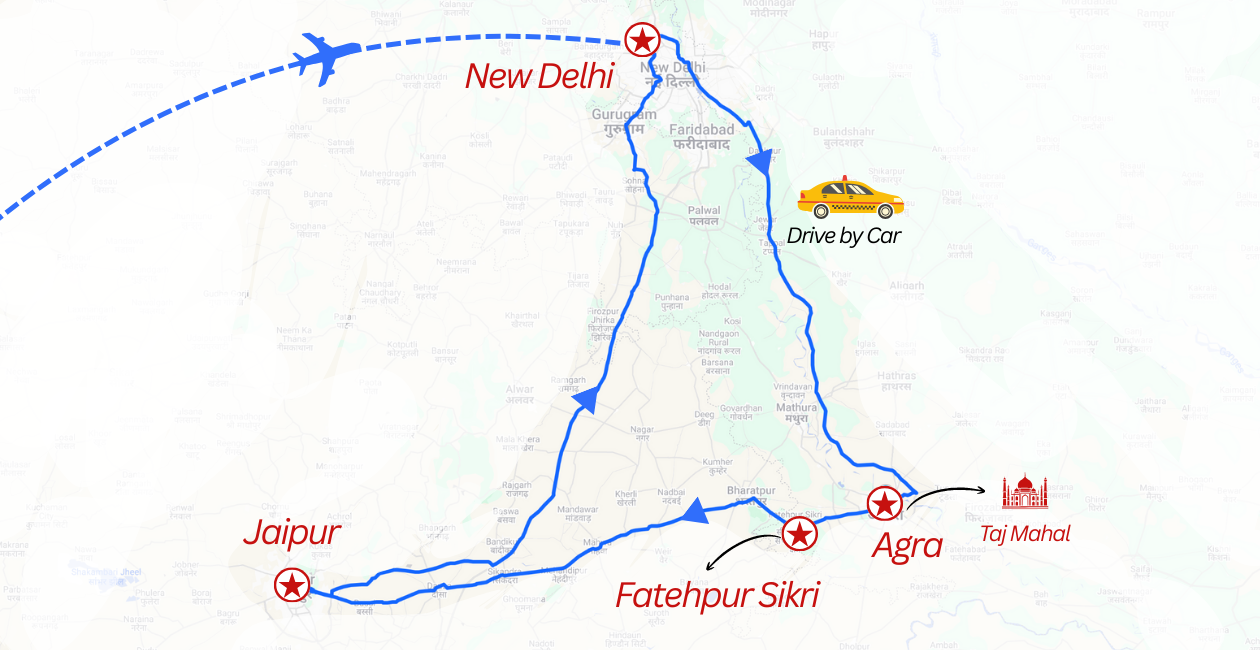
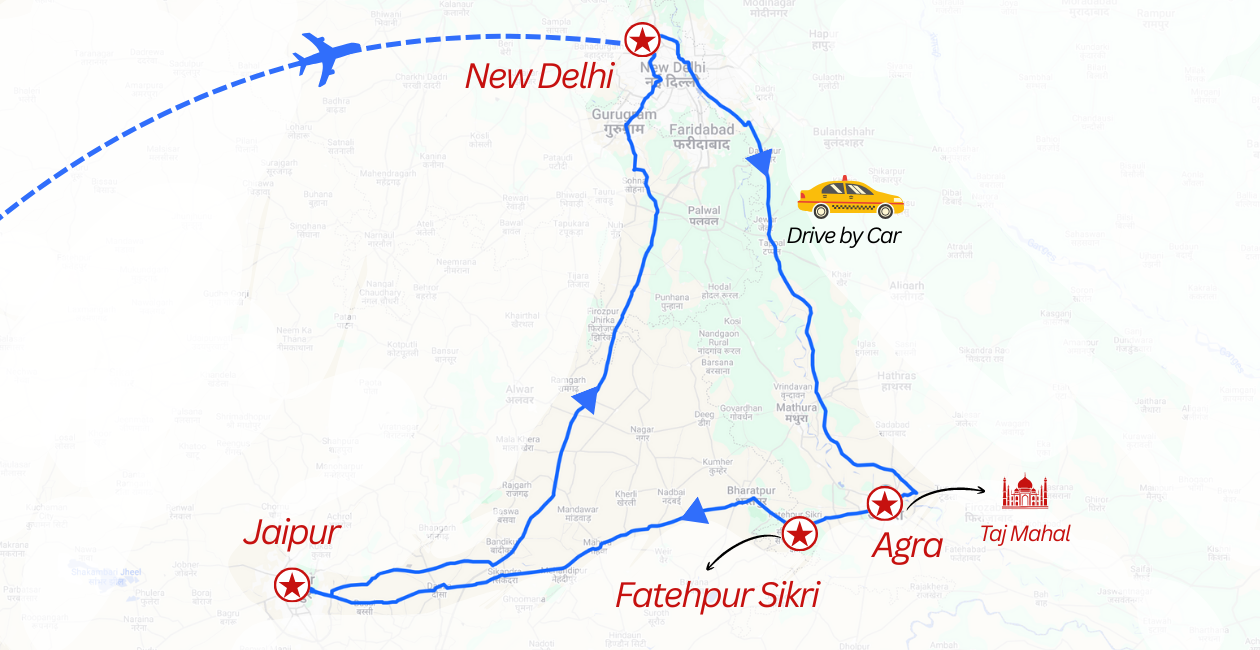
By Air: Land at Jaipur International Airport (JAI), which has direct flights from major Indian cities and international connections from Delhi or Mumbai. From the airport, the palace is just a 30–40 minute Uber or cab ride away.
By Train: Jaipur Junction is well-connected with major cities like Delhi, Mumbai, and Agra. Once at the station, grab a cab or rickshaw—it’s just a 15–20 minute ride to the palace.
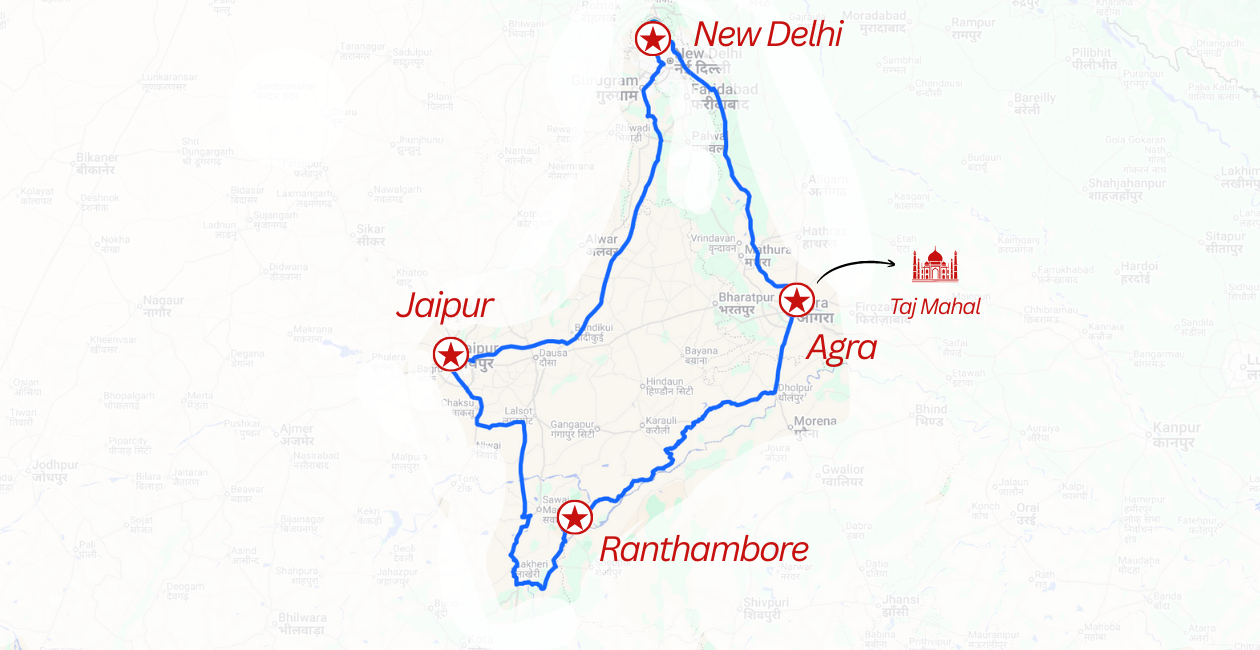
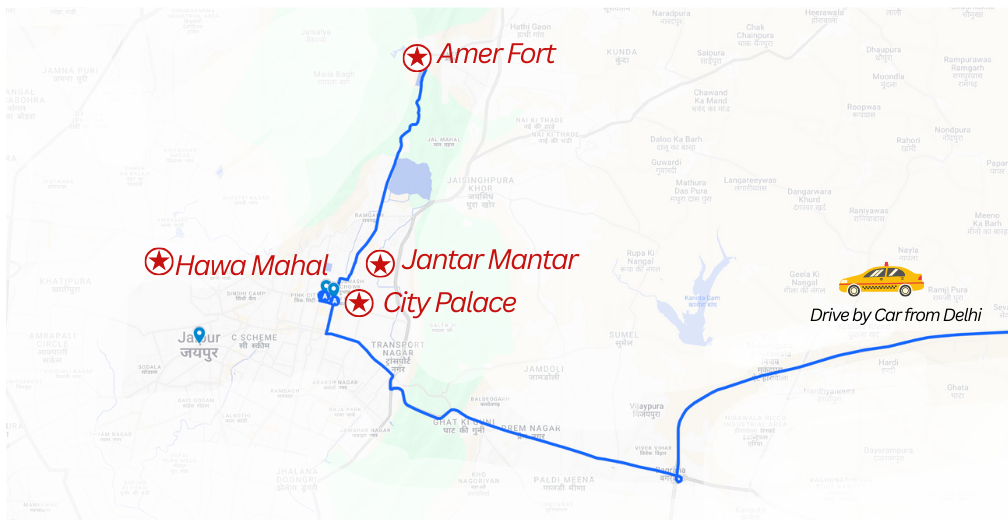
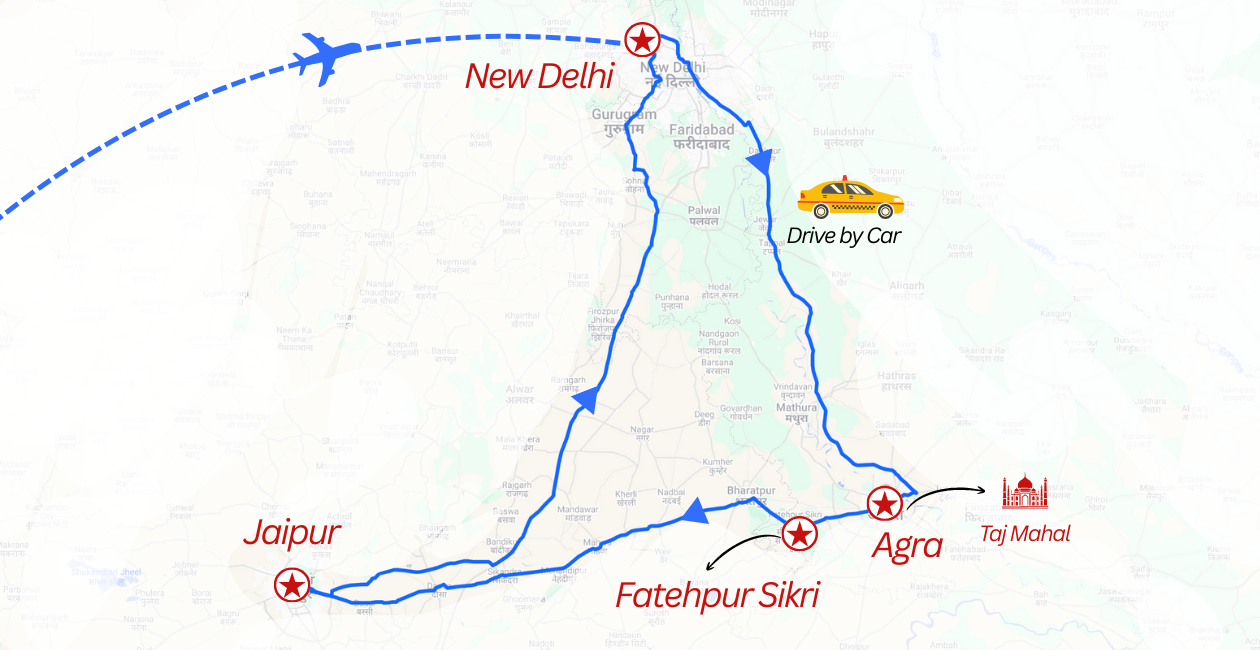
By Road: Road-trippin’? Jaipur is connected by highway to Delhi (about 5 hours), Agra, and Udaipur. AC buses and private car rentals are easily available.