If you’re heading to India and looking to hit up the real-deal historic landmarks, India Gate should be high on your list. Smack in the heart of New Delhi, this massive stone arch isn’t just a feast for the eyes—it’s a powerful tribute to the 74,000+ Indian soldiers who laid down their lives during World War I and the Afghan War. Designed by the legendary British architect Sir Edwin Lutyens, India Gate is basically Delhi’s answer to the Arc de Triomphe—and it’s every bit as iconic.
Standing at 42 meters (138 feet), this monument doesn’t just stop you in your tracks—it makes you feel something. It’s not just about epic architecture; it’s about honoring sacrifice, resilience, and the quiet strength of those who served.
Why India Gate is So Famous
By Pratheep P S, CC BY-SA 2.5, Link
India Gate—originally called the All India War Memorial—isn’t just a photo op (though it does look stunning at sunset). It was built to honor the Indian soldiers who fought and died between 1914 and 1921 in battle zones that stretched from France and Flanders to East Africa, Mesopotamia, and even Gallipoli.
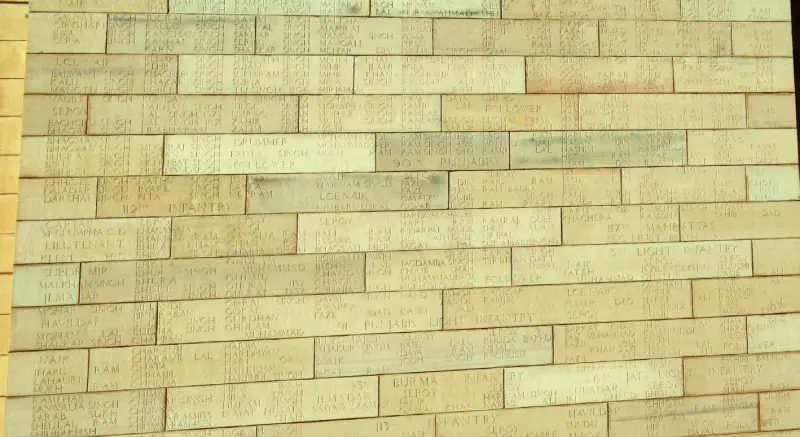
Engraved on its massive sandstone walls are the names of over 13,300 soldiers, including some from the United Kingdom, reminding everyone of the shared history and sacrifices made during wartime.
And it doesn’t stop there. In 1971, after the Bangladesh Liberation War, a new structure was added under the arch: the Amar Jawan Jyoti, or Flame of the Immortal Soldier. This black marble platform with an eternal flame and reversed rifle is India’s tomb of the unknown soldier—and the soul of the monument.
Design That Speaks Volumes
Designed by Lutyens (the same guy who shaped most of New Delhi), India Gate was modeled after the Roman Arch of Constantine and the Parisian Arc de Triomphe. It’s all about symmetry, strength, and dignity.
Here’s what makes it stand out:
- Built from red and pale sandstone with a touch of granite
- Set on a massive roundabout with gardens and fountains
- A bowl at the top meant to hold ceremonial flames
- Inscribed dates of World War I and names of fallen soldiers
The gate is also a secular structure—no religious symbols here. It’s meant for everyone, which adds to its deep emotional pull.
What’s Around
By Prime Minister’s Office (GODL-India), GODL-India, Link
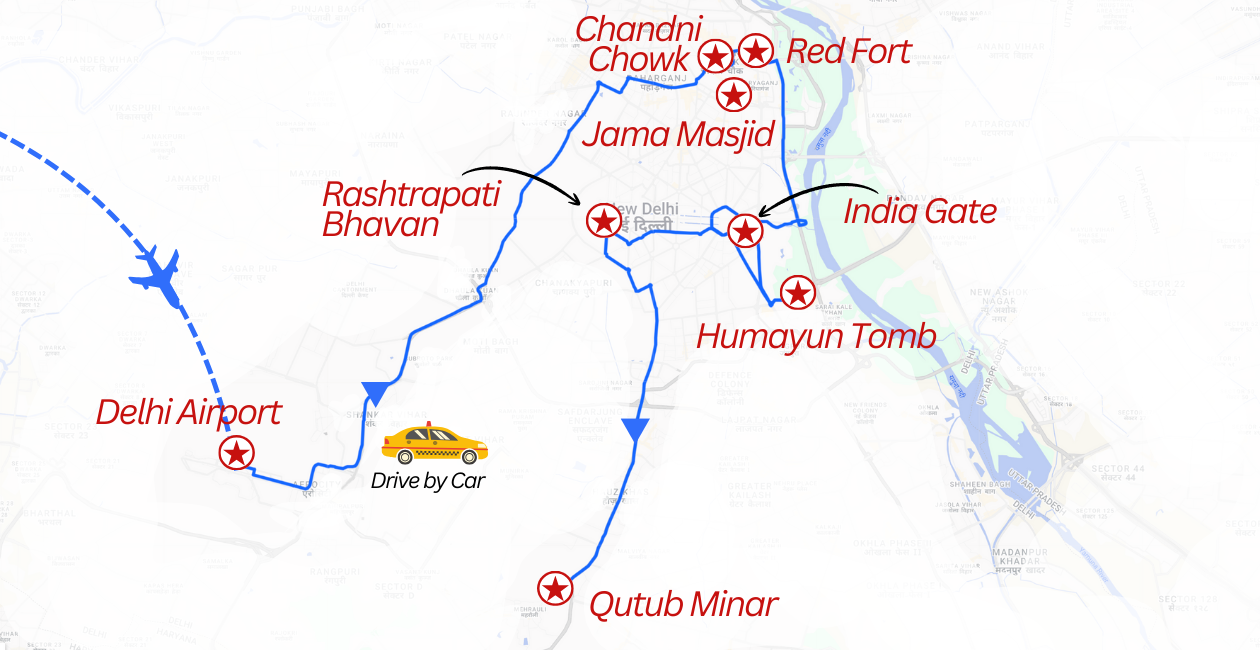
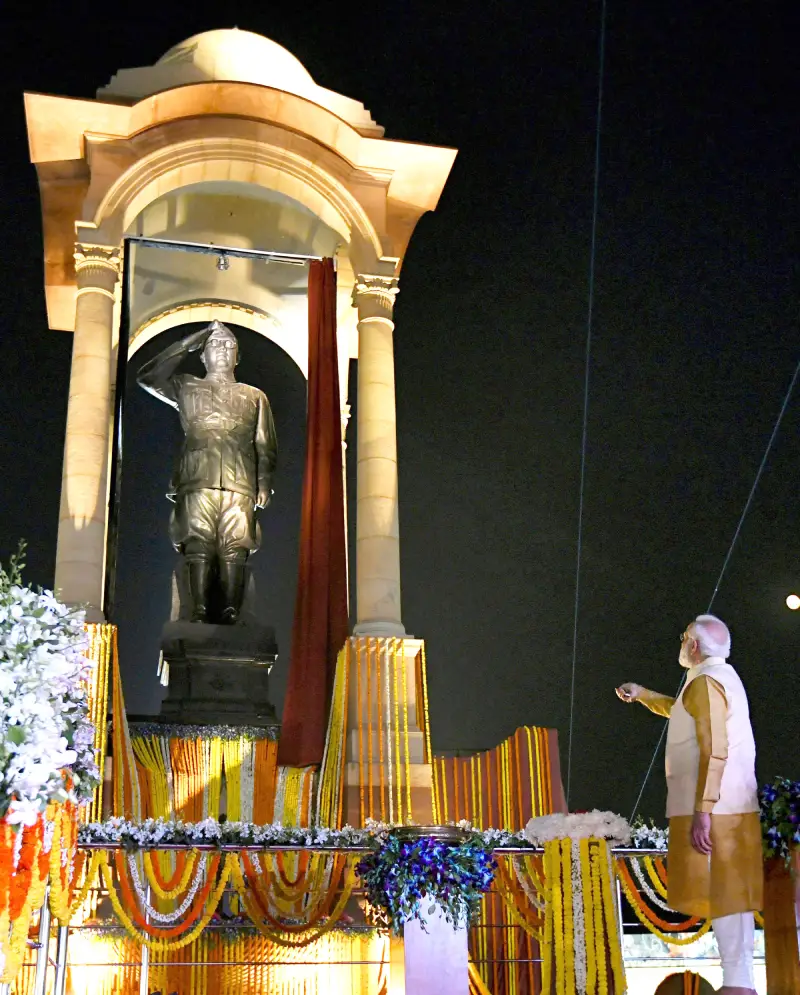
India Gate is more than a standalone monument—it’s the centerpiece of Kartavya Path (formerly Rajpath), the grand ceremonial road leading to Rashtrapati Bhavan (the Presidential Residence). Every year on January 26, the Republic Day parade kicks off from here, with colorful floats, military regiments, and thousands lining the road.
It’s also a favorite hangout spot for locals and tourists. You’ll find food carts, families having picnics on the lawns, kids flying kites, and people just soaking in the vibes. By night, it’s beautifully lit up, and the atmosphere turns downright magical.
How to Reach
Getting to India Gate is easy peasy—whether you’re rolling in style or going local.
By Air: Flying into Delhi? You’ll land at Indira Gandhi International Airport (DEL). From there, it’s a 30–40 minute ride to India Gate by cab or Uber.
By Metro: Take the Delhi Metro’s Violet or Yellow Line and hop off at Central Secretariat or Khan Market Station. From there, grab an auto rickshaw or walk about 10–15 minutes.
By Car / Uber / Ola: Just punch in “India Gate” into your app and go. It’s located right in the center of Delhi near Connaught Place. Parking is limited, though, so best to get dropped off.
By Rickshaw: For that authentic local experience, jump into an auto rickshaw. They’re cheap, fast, and fun (and yeah, a little chaotic).
By Bus: Plenty of DTC buses and hop-on-hop-off tourist buses stop here. Ask for India Gate or Kartavya Path.