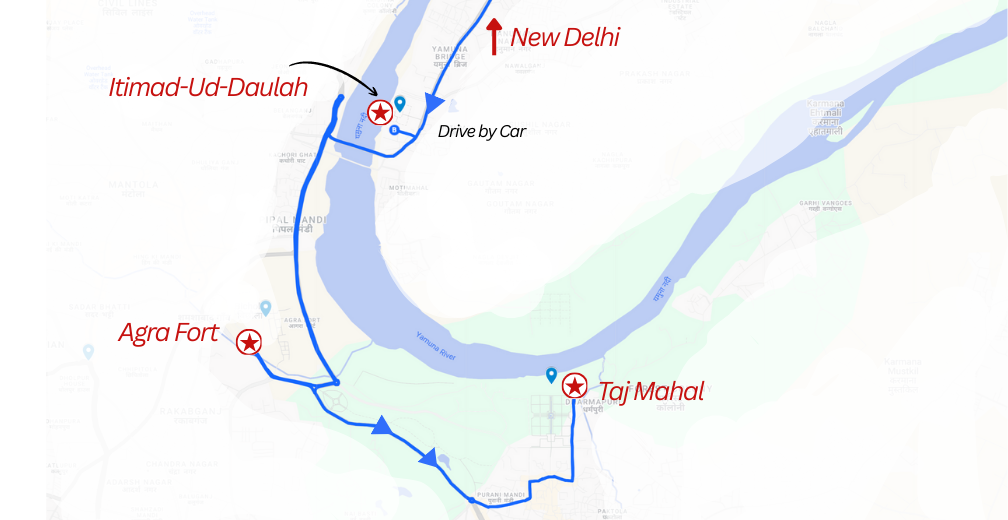
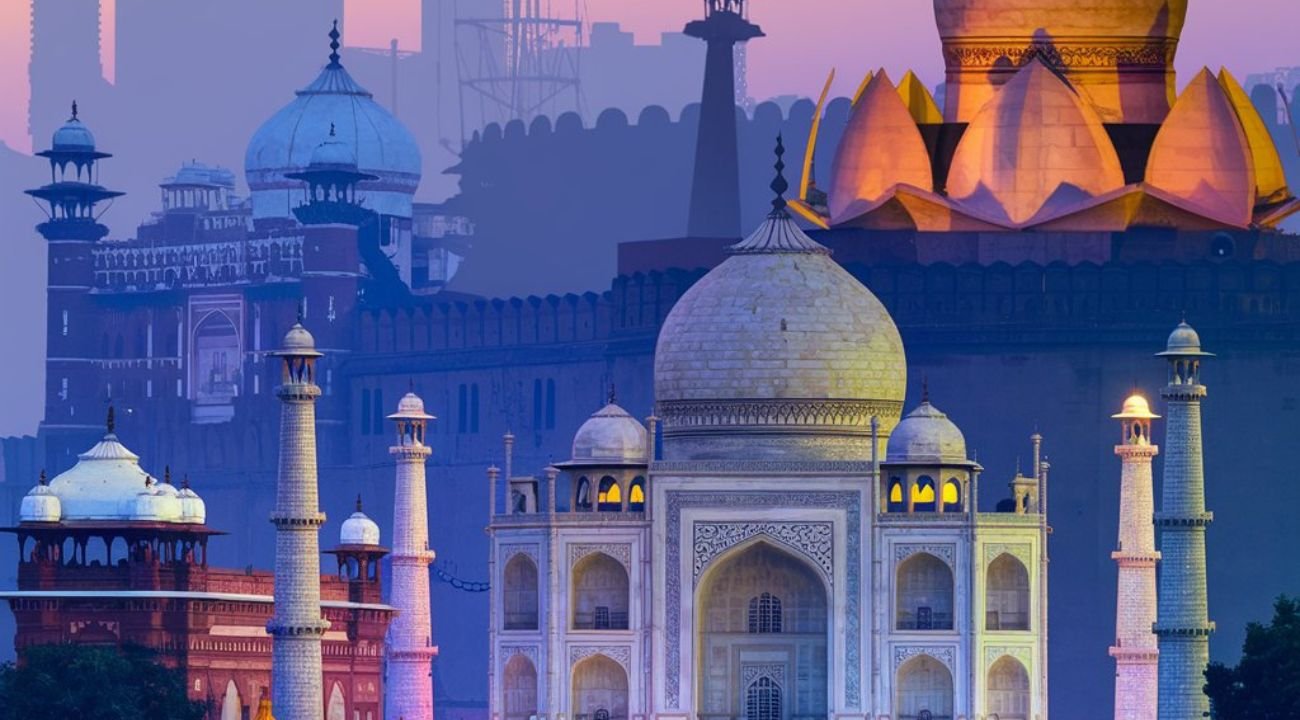
If you’re planning a trip to India and the Taj Mahal is on your list (as it should be!), make sure you carve out some time to explore its lesser-known but equally stunning neighbor: Agra Fort. Just 2.5 kilometers (a little over 1.5 miles) from the iconic Taj Mahal, this red sandstone fortress is packed with history, architecture, and panoramic views that’ll leave you speechless.
A Fortress Fit for Emperors
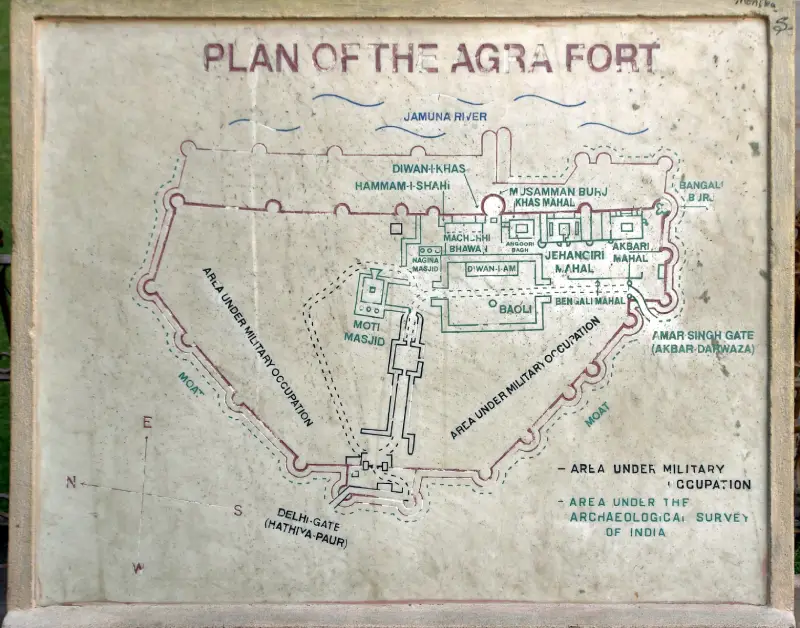
By This file is not in the public domain. Therefore you are requested to use the following next to the image if you reuse this file: © Yann Forget / Wikimedia Commons, CC BY-SA 4.0, Link
Located in Agra, Uttar Pradesh, Agra Fort (also known as Lal Qila, Qila-i-Akbari, or Fort Rouge) was once the main seat of power for the mighty Mughal Dynasty. From the early 16th century until 1638, this walled city was the heart of the empire—until the capital shifted to Delhi.
Built by Emperor Akbar in 1573, this UNESCO World Heritage Site is a blend of military might and royal luxury. While its outer shell is tough and imposing, step inside and you’ll find elegant courtyards, polished marble halls, and a variety of architectural styles—including Islamic, Hindu, and even a touch of Roman flair.
The Ultimate Mughal Drama Unfolded Here
Agra Fort isn’t just about beautiful buildings; it’s also the backdrop for some intense royal drama.
After Babur (the founder of the Mughal dynasty) won the First Battle of Panipat in 1526, he took over the fort. His grandson Akbar rebuilt it using red sandstone, turning a crumbling brick structure into the power center of the empire. Over 4,000 laborers worked every day for eight years to complete it.
Fast forward to the 1600s—Shah Jahan, the emperor who built the Taj Mahal, added his own flair with white marble structures like the Sheesh Mahal (Mirror Palace) and the Diwan-i-Am (Hall of Public Audience). Sadly, Shah Jahan’s story took a tragic turn when his own son, Aurangzeb, imprisoned him in the fort. Rumor has it, Shah Jahan spent his final years gazing out at the Taj Mahal from the Muasamman Burj, a beautiful marble balcony.
From Empires to the British Raj
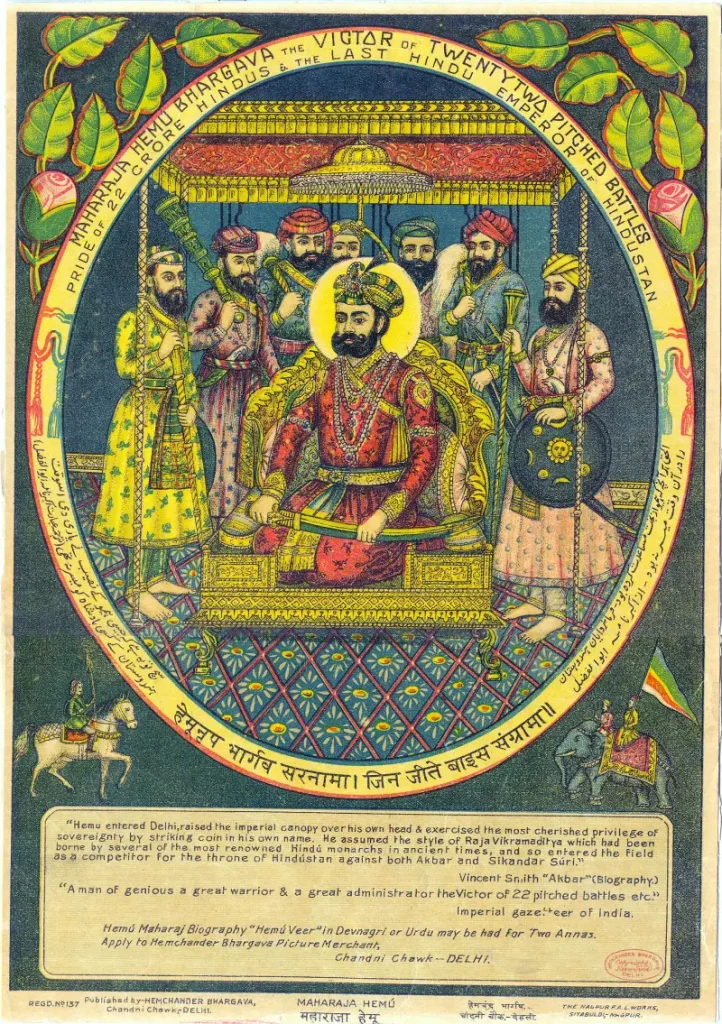
By Unknown (Bazaar art) – Columbia Art, Public Domain, Link
The fort changed hands multiple times—from the Mughals to the Sur Empire, then back to the Mughals, followed by the Marathas, and finally the British East India Company. It even played a role in the 1857 Indian Rebellion, marking the end of the Company’s rule and the beginning of direct British control over India.
What to Expect Today
Today, Agra Fort stands as a testament to India’s layered history, with red sandstone ramparts, ornate palaces, audience halls, and lush gardens. The vibe here is royal, and the views? Unreal—especially if you’re snapping pics of the Taj Mahal from the upper levels.
Whether you’re into architecture, history, or just love soaking in panoramic views, this place delivers. Plus, it’s family-friendly, wheelchair-accessible, and comes with paid parking for convenience.
Why It Should Be on Your India Bucket List
Sure, the Taj Mahal gets all the glory, but Agra Fort is where you feel the pulse of India’s imperial history. It’s a must-see for travelers who want to go beyond the postcard and dive into the real stories of power, passion, and palace intrigue.
So next time you’re in Agra, don’t just make it a Taj Mahal day trip. Give Agra Fort the spotlight it deserves—you’ll leave with stories (and photos) worth a thousand likes.
How to Reach at Agra Fort
By Air: The closest airport is Agra Airport (AGR), located about 13 km (8 miles) from the fort. It has limited domestic connections, so most international travelers fly into Indira Gandhi International Airport (DEL) in Delhi and then drive or take a train to Agra.
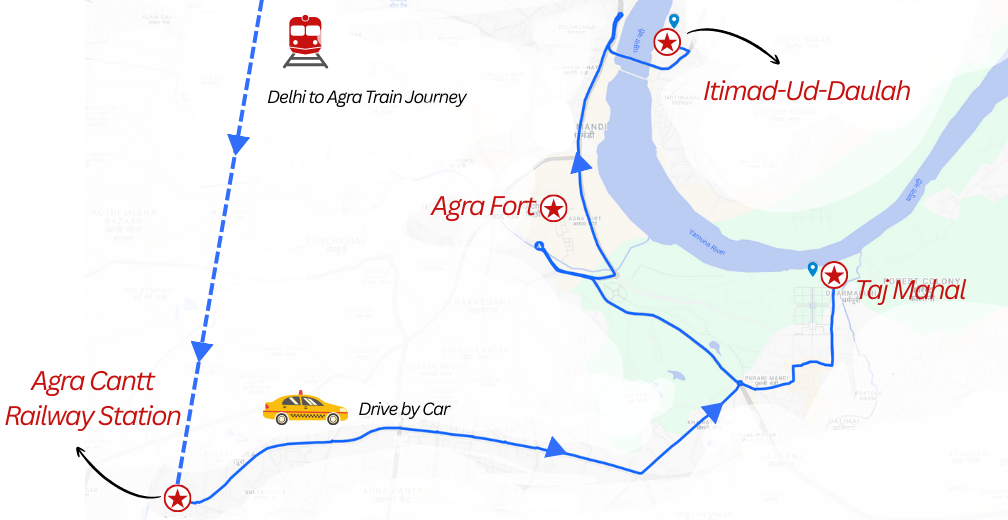
By Train: Agra Cantt Railway Station is the main station and is about 5 km (3 miles) from Agra Fort. It’s well connected to major cities like Delhi, Jaipur, and Mumbai. From the station, you can grab a taxi, auto-rickshaw, or even a tuk-tuk for a quick ride to the fort.
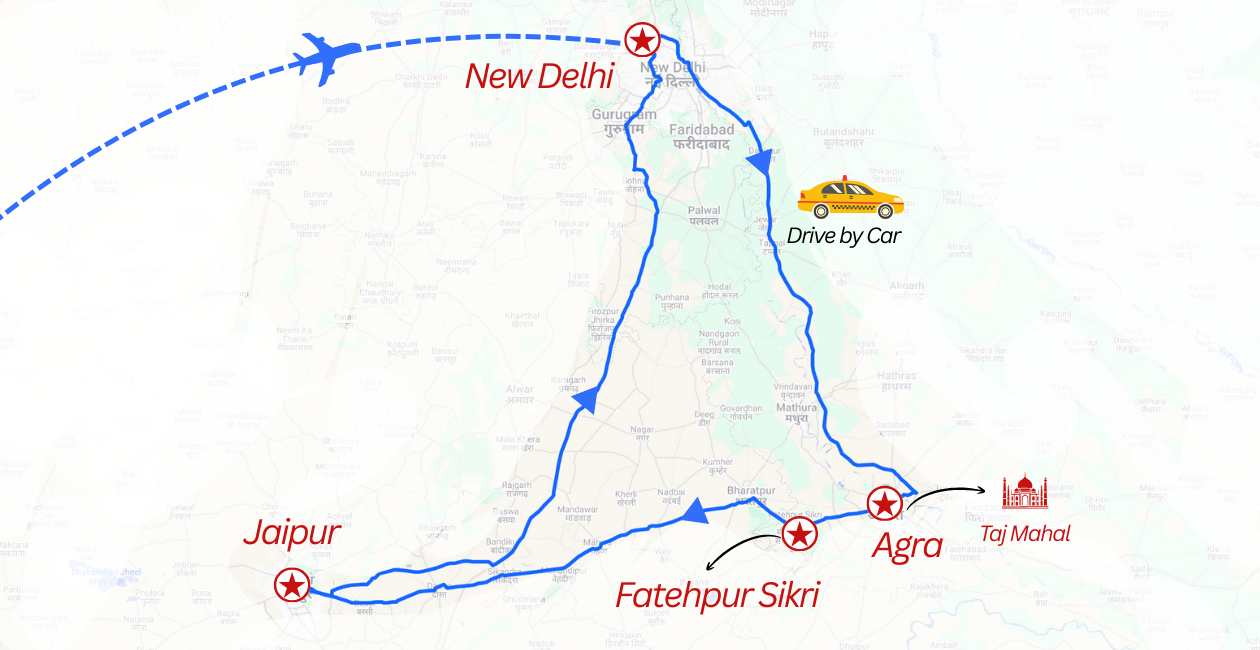
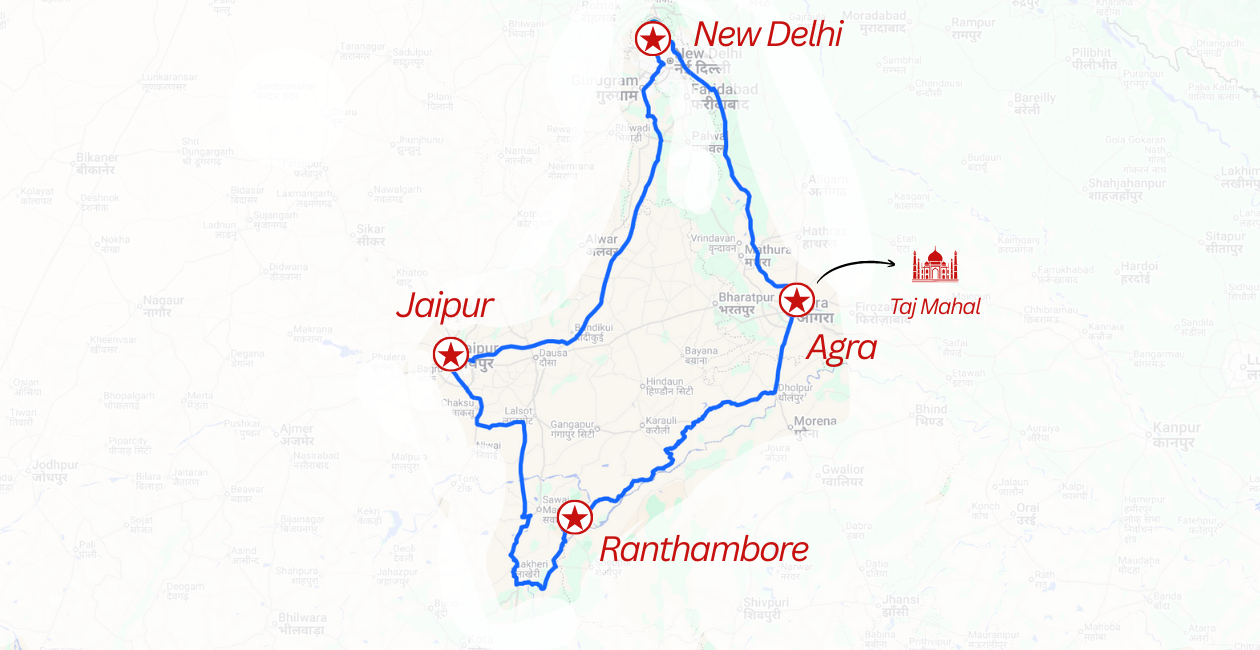
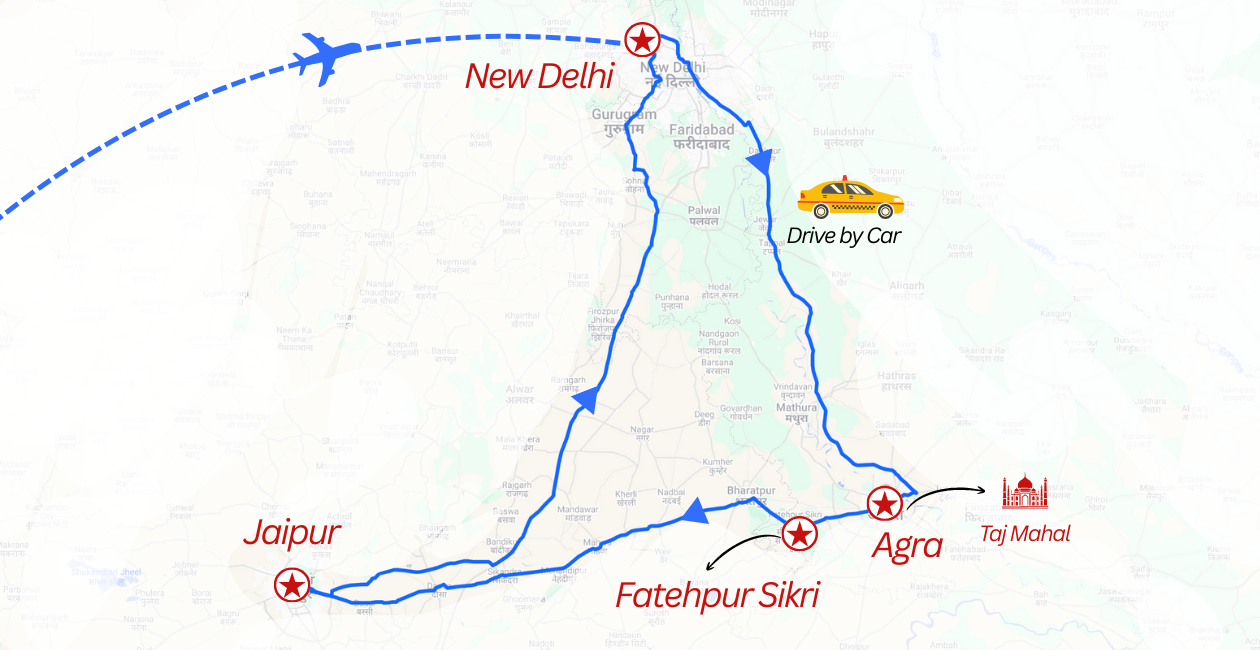
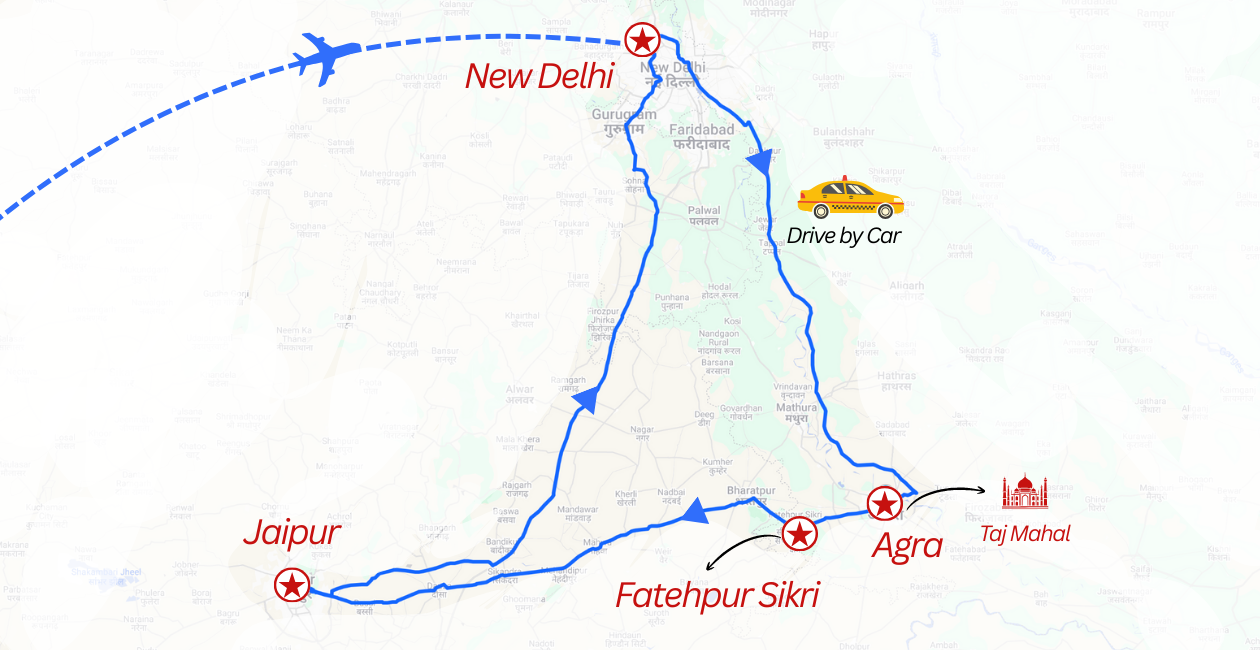
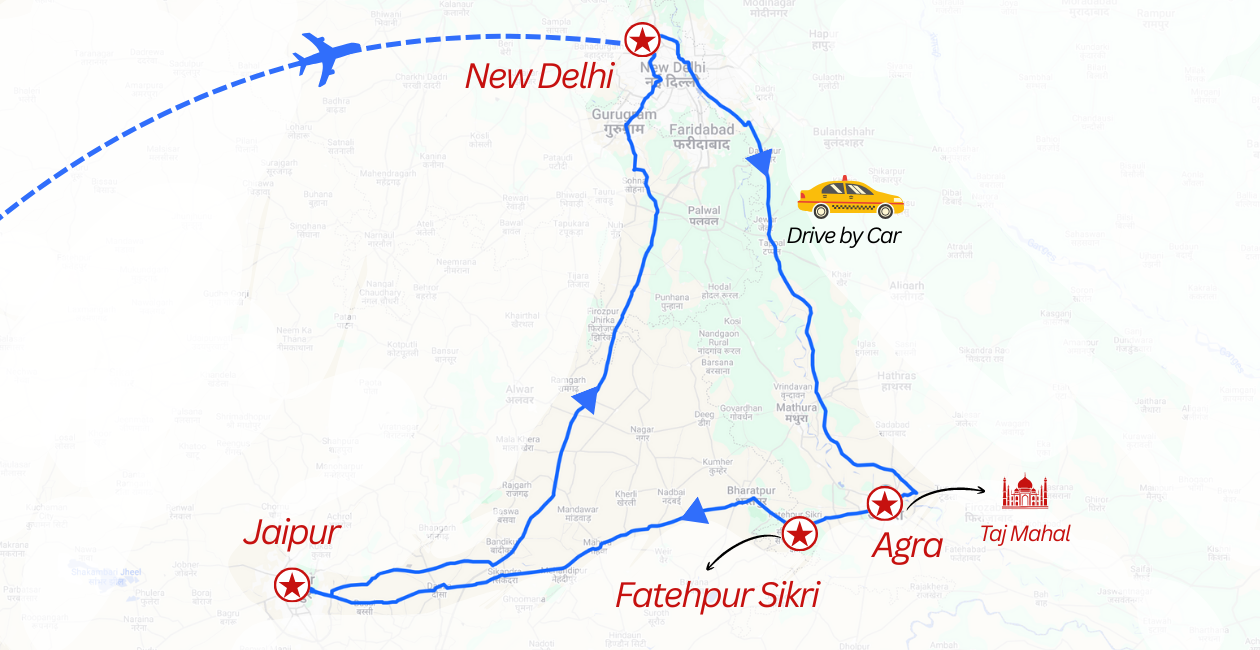
By Road: Agra is part of the Golden Triangle tourist circuit (Delhi–Agra–Jaipur), and it’s an easy 3–4 hour drive from Delhi via the Yamuna Expressway. Private cabs, tourist buses, and self-drive rentals are all solid options.
Local Transport: Once you’re in Agra, you can use auto-rickshaws, cycle rickshaws, taxis, or app-based cabs like Ola or Uber to reach the fort. It’s centrally located and easy to find.