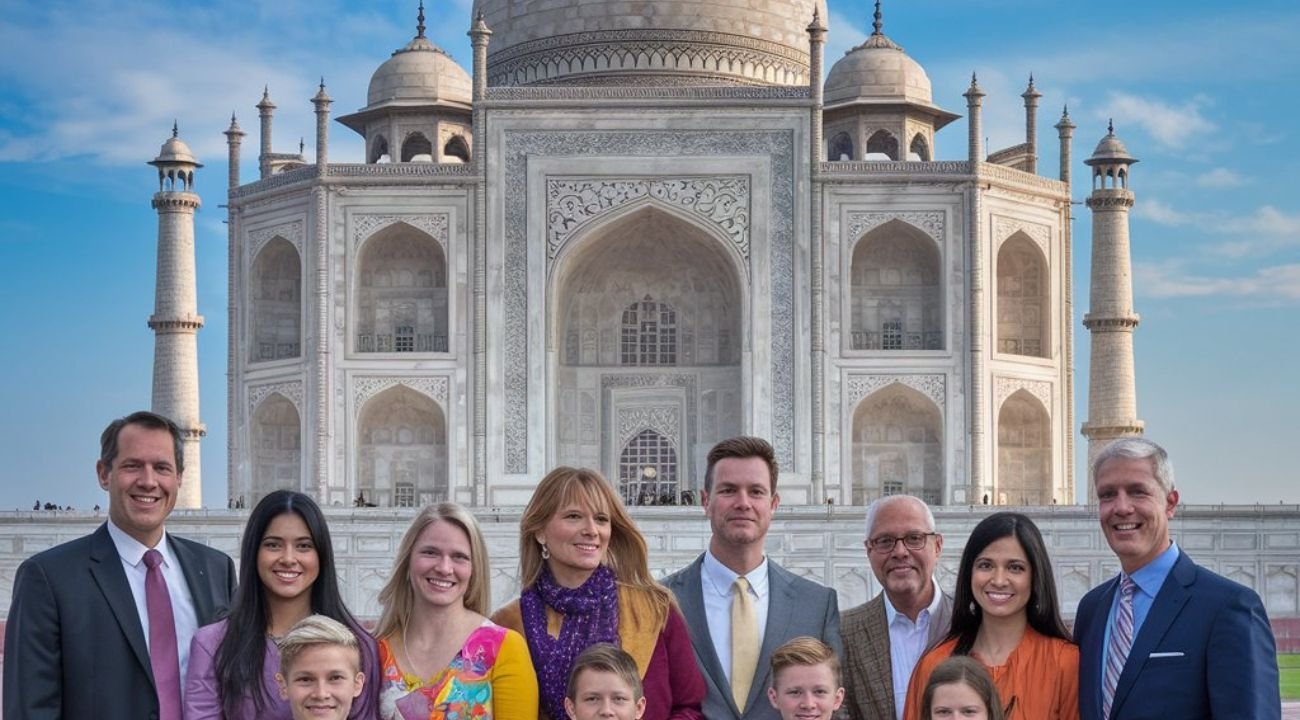
Taj Mahal

Tourist Attraction in Agra

Overview

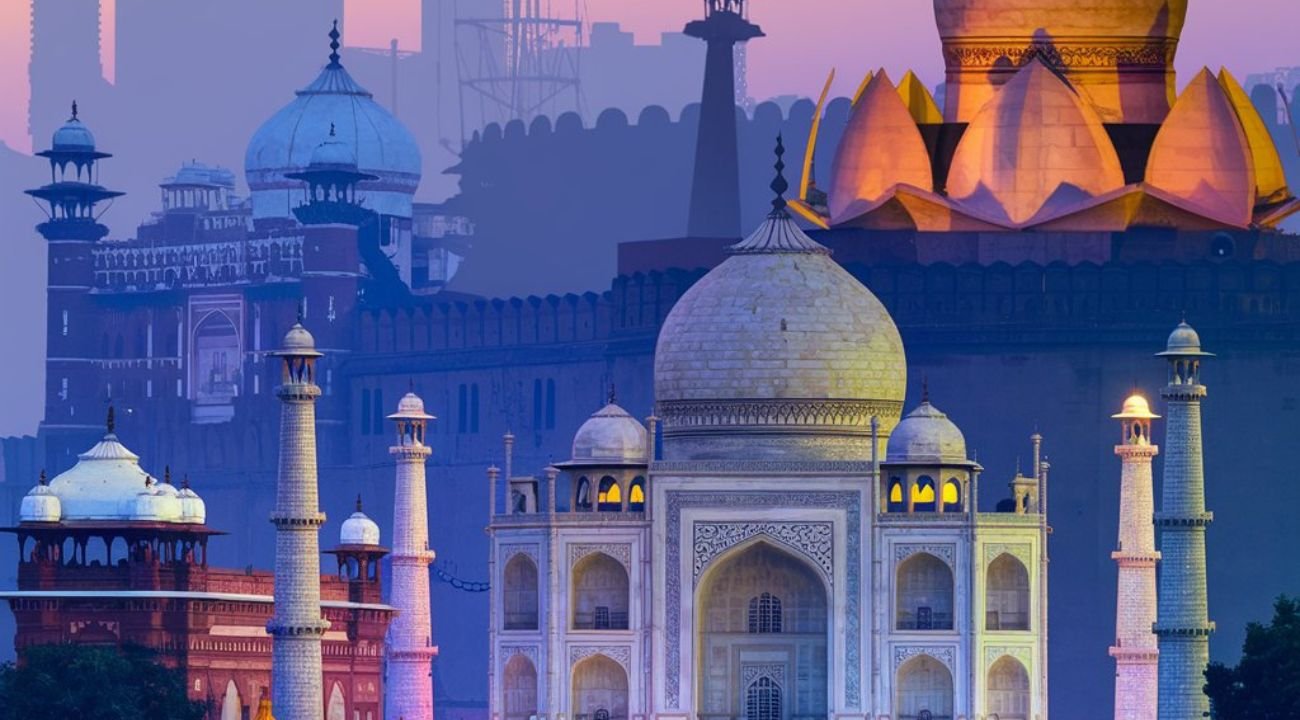
If there’s one bucket-list monument in the world that lives up to the hype, it’s the Taj Mahal. Nestled on the banks of the Yamuna River in Agra, Uttar Pradesh, India, this breathtaking ivory-white marble mausoleum is more than just a pretty face—it’s a timeless symbol of love, loss, and legacy. Commissioned in 1631 by Mughal emperor Shah Jahan for his beloved wife Mumtaz Mahal, the Taj Mahal is basically the world’s most extravagant “I miss you” gift.

From its perfect symmetry and detailed inlay work to its epic love story, this global icon draws over five million visitors each year and was crowned one of the New 7 Wonders of the World in 2007. Whether you’re into architecture, history, photography, or just chasing beauty, the Taj is a can’t-miss stop in India.

A Love Story Carved in Stone

Imagine losing the love of your life and deciding to build the most beautiful monument ever in her memory. That’s what Shah Jahan did when Mumtaz Mahal died in 1631 during childbirth. Crushed with grief, the emperor promised to honor her with something no one could ever forget. And boy, did he deliver.

The Taj Mahal isn’t just a tomb—it’s a monument that captures the depth of human emotion in stone and marble. Both Mumtaz and Shah Jahan are buried here, their tombs located in a quiet underground crypt, while elegant cenotaphs lie above in the main chamber for visitors to admire.

Building the Dream: Construction & Scale

Construction began in 1632 and wrapped up by 1653, with over 20,000 artisans and craftsmen brought in from across the Mughal Empire and Central Asia. Over 1,000 elephants helped haul in materials, including precious stones and that now-famous Makrana white marble from Rajasthan.

The Taj Mahal is the centerpiece of a massive 42-acre complex that includes a mosque, a guesthouse, lush gardens, and several gates—each more impressive than the last.

Jaw-Dropping Architecture

The Taj Mahal is a masterpiece of Mughal architecture, blending Persian, Islamic, and Indian influences. Some of the features that’ll leave you speechless include:

  • White Marble Brilliance: The entire structure is made from glowing Makrana marble that changes color throughout the day—pinkish at dawn, dazzling white at noon, golden under the moonlight.
  • Perfect Symmetry: Every element of the complex—from the fountains to the flanking structures—is perfectly aligned. Even the tombs are symmetrical except for Shah Jahan’s, which was added later.
  • Massive Central Dome: At the heart of the mausoleum is a majestic double dome that rises over 240 feet high.
  • Four Leaning Minarets: The tall, slim towers surrounding the tomb are angled slightly outward—so in case of an earthquake, they’d fall away from the main building.
  • Incredible Inlay Work (Pietra Dura): Thousands of semi-precious stones like lapis lazuli, jade, turquoise, and coral are inlaid into the marble to create stunning floral designs and Arabic calligraphy.
  • Calligraphy & Carvings: Quranic verses and poetic phrases are etched in perfect symmetry. The script size increases as it goes higher to appear uniform from the ground—a brilliant optical illusion.

The Garden of Paradise

The Taj sits inside a classic Mughal Charbagh (four-part garden) that symbolizes paradise in Islamic tradition. Water channels and pathways divide the garden, giving visitors gorgeous sightlines from every angle. The entire setting is serene, spiritual, and 100% Instagram-worthy.

Iconic Side Structures

  • The Mosque: Located on the west side of the Taj, it’s made of red sandstone and used for Friday prayers.
  • The Jawab: On the east side, this structure mirrors the mosque for aesthetic balance—although it doesn’t serve a religious purpose.
  • Main Gateway: As you step through this giant red sandstone archway, your first glimpse of the Taj is a serious showstopper.

How to Reach

Planning a trip to the Taj Mahal? Here’s how to make it happen:

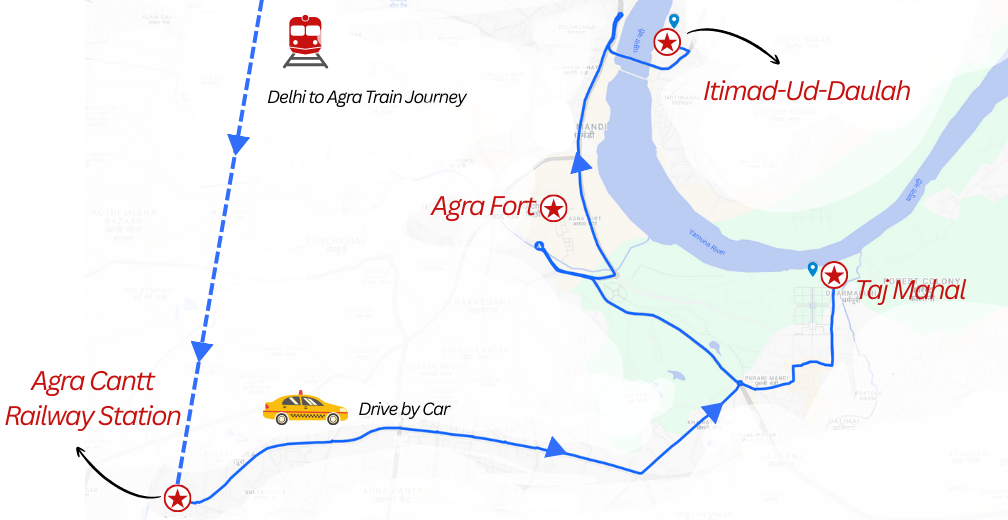
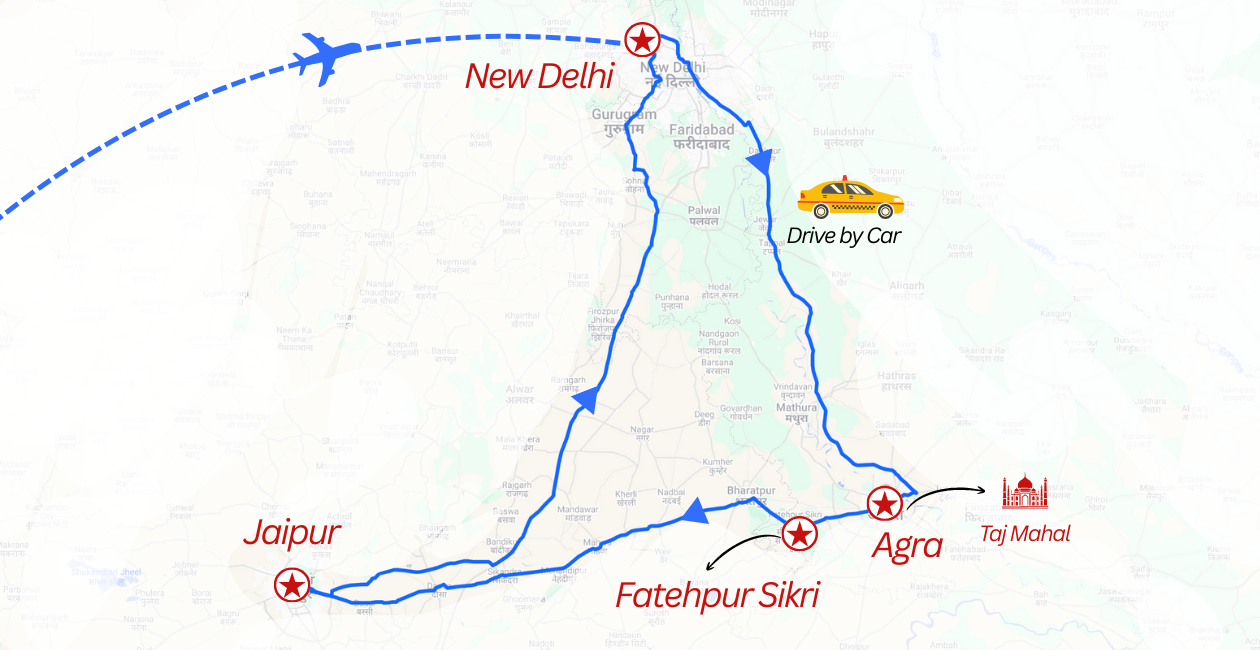
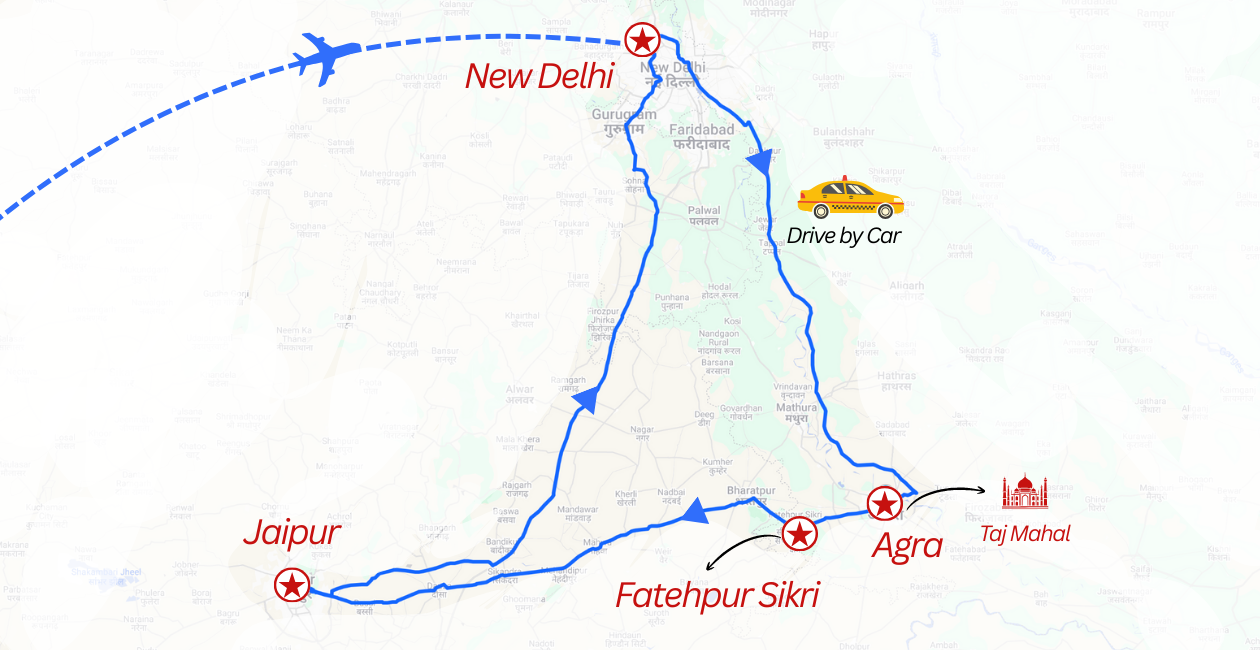
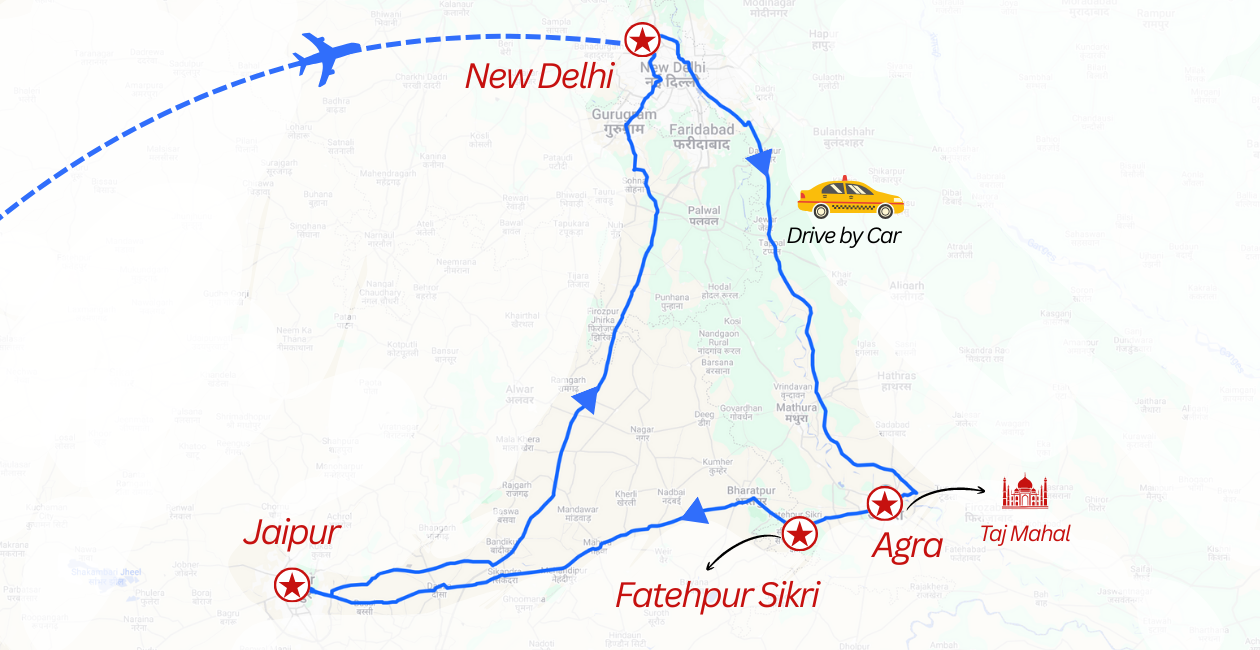
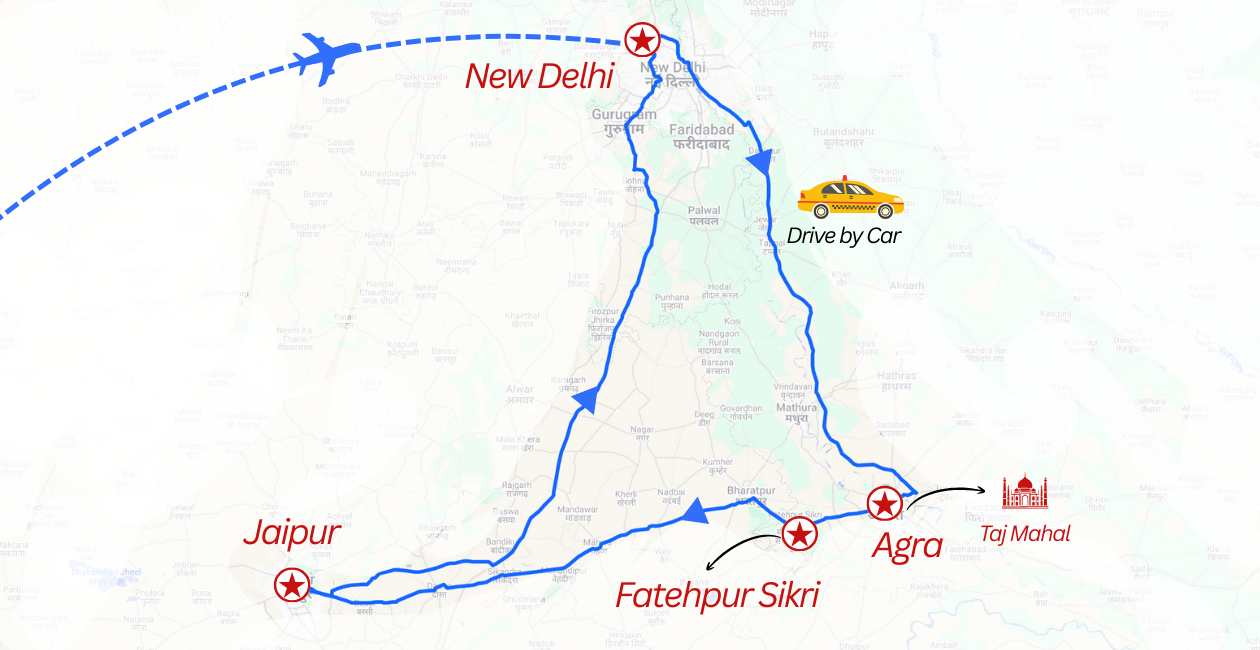
By Train: Agra is super accessible from Delhi, Jaipur, and other major cities. The fastest option is the Gatimaan Express or Shatabdi Express from New Delhi Railway Station—you’ll be in Agra in less than two hours.

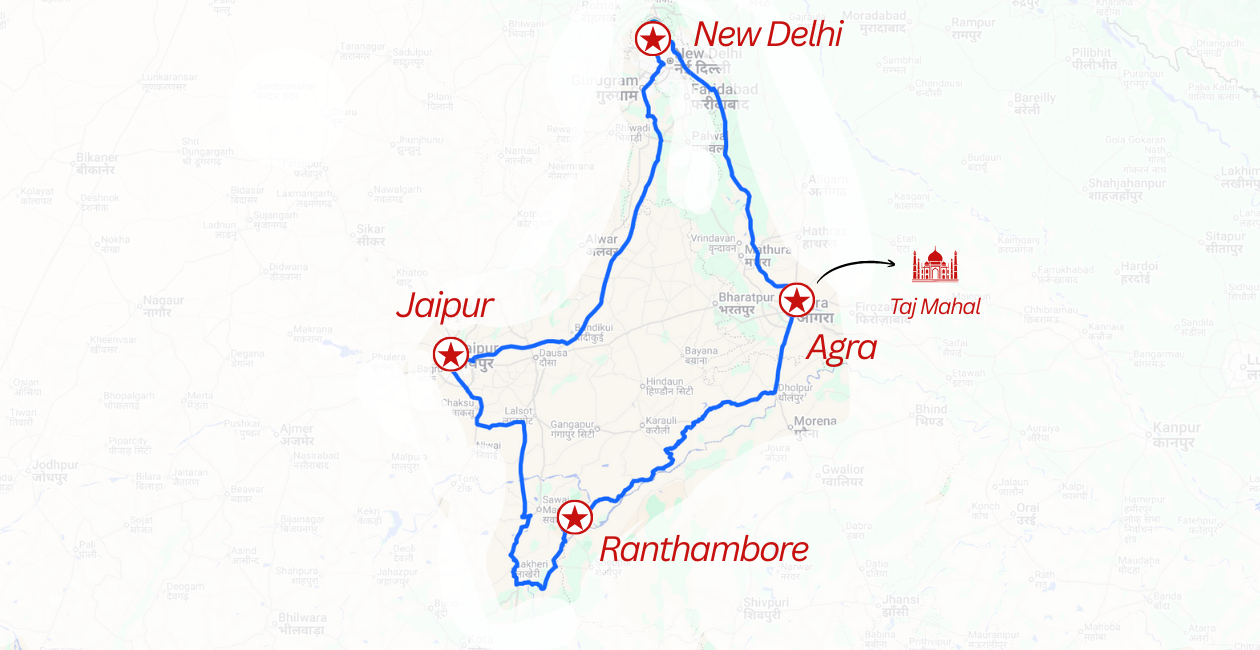
By Air: Fly into Indira Gandhi International Airport (DEL) in Delhi, which is about 140 miles from Agra. From there, you can catch a train, hire a private car, or book a bus ride.

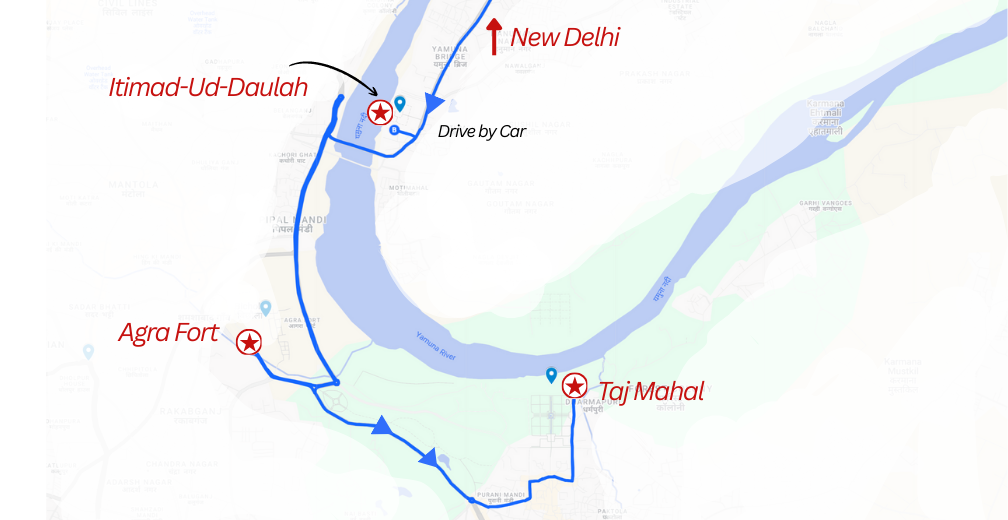
By Car/Taxi: It’s about a 3-4 hour drive from Delhi via the Yamuna Expressway. Rent a car with a driver or use services like Uber Intercity or private tour operators.

By Bus: AC buses run frequently from Delhi’s Sarai Kale Khan ISBT to Agra. It’s budget-friendly but a bit slower.

Location: Dharmapuri, Forest Colony, Tajganj, Agra, Uttar Pradesh 282001
Other Popular Tourist Attractions in

Agra Tour Packages

FAQ About Taj Mahal

All
Basic Tour Packages
Comfort Tours
Golden Triangle Tours
Group tour
Premium Day Tours
Rajasthan Tours
Same Day Holiday Tour Packages
Taj Mahal Tour Packages
Women Special
Can I shop for souvenirs in Agra?
Absolutely! If you’re heading to Agra, you better believe there’s a treasure trove of souvenirs waiting for you. This city isn’t just about the Taj Mahal—it’s also a shopping paradise filled with marble wonders, leather goods, handcrafted jewelry, and traditional textiles. Whether you’re looking for a high-end keepsake or a budget-friendly trinket, Agra’s got it all. Let’s dive into where to find the best souvenirs and how to shop like a pro! Where to Find the Best Souvenirs in Agra 1. Marble Handicrafts – Bring a Piece of the Taj Mahal Home Agra is world-famous for its intricate marble inlay work, inspired by the Taj Mahal. If you want to take a piece of that beauty home, head to places like Marble Handicrafts Agra, Subhash Emporium, and Taj Gallery. These shops have jaw-dropping collections of handcrafted marble pieces, from coasters to tabletops. ➡ Hot Tip: Watch a live demo of the inlay work—it’s mesmerizing! But remember, quality varies, so always check for...
How many days are recommended to explore Agra?
If you’re planning a trip to Agra, you might be wondering how many days you need to truly experience its historical and cultural richness. While many visitors opt for a quick day trip, staying for at least two to three days allows for a more immersive experience. One-Day Itinerary: The Essentials If you’re short on time, a single day in Agra is enough to cover the highlights: Taj Mahal – Arrive early to catch the sunrise and avoid crowds. Agra Fort – Explore this impressive Mughal stronghold. Mehtab Bagh – End your day with a sunset view of the Taj Mahal. Recommended Tour: Same Day Agra Group Tour by Train or Same Day Agra Group Tour by Coach. Two-Day Itinerary: Deeper Exploration With two days, you can take a more relaxed approach and visit additional sites: Day 1: Taj Mahal, Agra Fort, Mehtab Bagh, and Itmad-ud-Daulah (Baby Taj). Day 2: Fatehpur Sikri – A day trip to this abandoned Mughal city. Recommended Tour: Offbeat Two Days Agra Tour by Car. Three-Day...
What is the best time to visit Agra?
The best time to visit Agra is between October and March, when the weather is cool and comfortable for sightseeing. During this period, temperatures range from 7°C to 36°C, making it perfect for exploring the Taj Mahal, Agra Fort, and other historical sites. Festivals like Diwali, Holi, and Taj Mahotsav add a cultural touch to your trip. Avoid the scorching summers (April-June) and rainy monsoons (July-September) for a hassle-free experience. For the best trip, consider booking a guided tour with a travel agency to skip the lines, stay safe, and make the most of your visit to Agra!
Are there any unique experiences in Agra?
Agra offers far more than just the Taj Mahal. From the stunning Itmad-ud-Daulah’s Tomb and Akbar’s Tomb to the Kalakriti Light & Sound Show, the city is filled with unique experiences. Visitors can explore bustling markets, enjoy famous petha and street food, and visit the fascinating Fatehpur Sikri. Shopping for handicrafts and leather goods adds to the charm. To fully experience Agra’s history and culture without stress, booking a guided tour is highly recommended. With expert insights and seamless planning, a tour ensures a memorable and enriching visit to this historic city. Agra awaits—make your journey unforgettable!
Is it safe for foreign tourists to travel to Agra?
Thinking about visiting Agra but wondering if it’s safe? You’re not alone! Agra is one of the most visited cities in India, thanks to the iconic Taj Mahal. While the city is generally safe for tourists, it’s always smart to take some precautions. Here’s everything you need to know about staying safe while exploring this historic destination. General Safety in Agra Agra is tourist-friendly, and millions of travelers visit every year without any issues. However, like any major tourist destination, there are things to watch out for. Pickpocketing, scams, and minor inconveniences can happen, but as long as you stay aware, your trip will be smooth and enjoyable. Safe to Explore – Agra’s main attractions are well-guarded and tourist-friendly. Friendly Locals – People in Agra are warm and welcoming to visitors. Reliable Transportation – Taxis, rickshaws, and guides are widely available. Safety Tips for Tourists in Agra Keep Your Belongings Secure Agra gets crowded, especially around...
Are there any photography restrictions in Agra?
If you’re planning a trip to Agra and wondering about photography rules, you’re in the right place! Agra is a photographer’s dream, but there are a few do’s and don’ts when it comes to capturing its iconic sites. Let’s break it all down so you can snap those Instagram-worthy shots without any hiccups. Photography at Agra Fort Good news! You can absolutely use your DSLR camera at Agra Fort without paying any extra fees. Lenses? No restrictions! Whether you’re rocking a wide-angle or a telephoto lens, you’re good to go. However, if you’re planning to shoot video, that’s where things change. Video cameras require an additional fee, thanks to some old-school regulations. But for still photography? Click away! Photography at the Taj Mahal This is where things get a little strict. While photography is allowed in most areas of the Taj Mahal, it’s strictly prohibited inside the main mausoleum. You’re free to take breathtaking shots from the gardens, riverbanks, and...
Is the Taj Mahal open every day?
If you’re planning a trip to India and have the Taj Mahal on your bucket list, you’re probably wondering, “Is the Taj Mahal open every day?” The short answer? No, it’s not open every day. While you can visit it most days of the week, there is one important exception you need to keep in mind. Taj Mahal Opening Days & Hours The Taj Mahal is open to visitors every day except Friday. On Fridays, the monument is closed for prayers, as it houses a mosque within its complex. Other than that, you’re good to go any day of the week. General Opening Hours: The Taj Mahal is typically open from sunrise to sunset (approximately 6:00 AM – 7:00 PM, but times may vary slightly depending on the season). Friday Closure: The Taj Mahal remains closed every Friday for public visits, as prayers are held at the mosque inside the complex. Night Viewing: If you’re interested in seeing the Taj Mahal under the moonlight, you’re in luck! The monument allows night viewing on five...
What outdoor activities can be enjoyed in Agra?
If you’re planning a trip to Agra, you’re in for a real treat! This city isn’t just about the Taj Mahal (though, let’s be real, it’s a big deal). Agra offers a ton of exciting outdoor activities that will make your trip unforgettable. From exploring historic forts to cruising down the Yamuna River, there’s plenty to do. Let’s dive into the best outdoor experiences you can enjoy in Agra! 1. Watch the Sunrise at the Taj Mahal Nothing beats watching the sunrise over the Taj Mahal. The golden hues reflecting off the pristine white marble? Pure magic. Early morning visits mean fewer crowds, cooler temperatures, and an opportunity for those perfect Insta-worthy shots. If you’re staying in Delhi, you can take a Private Sunrise Taj Mahal Tour that includes transportation and an expert guide to walk you through the history of this wonder. 2. Explore Agra Fort Agra Fort is another UNESCO-listed site that deserves your time. This massive red sandstone fortress...
Can I visit the Taj Mahal from Delhi?
Absolutely! If you’re in Delhi and wondering whether you can visit the Taj Mahal in a day, the answer is a big YES. The Taj Mahal is located in Agra, about 210 kilometers (130 miles) from Delhi, and it’s one of the most popular day trips for travelers. You have multiple travel options to get there, whether you prefer speed, comfort, or budget-friendly choices. How to Travel from Delhi to the Taj Mahal? There are several ways to reach Agra from Delhi. Here’s a breakdown of your best options: 1. By Train (Fast & Comfortable) Taking a train is one of the fastest and most convenient ways to get to Agra. The Indian Railways offers multiple daily trains between Delhi and Agra, and some of them are specifically designed for tourists. Gatimaan Express – India’s fastest train, taking just 1.5 hours to reach Agra. Shatabdi Express – Another high-speed option, covering the journey in about 2 hours. Other Trains – There are multiple other trains available, but these two are the best...
Are there any local festivals in Agra that you can experience?
Holi (March-April) and Diwali (October-November) are vibrant festivals with exciting celebrations. Diwali lights up Agra, while Holi is a colorful and joyous festival to experience. Taj Mahotsav: Held annually for ten days in February at Shilpgram near the Taj Mahal. The festival features cultural performances, arts and crafts displays, classical music, and dance, along with a vibrant display of Indian cuisine. The event celebrates the arrival of spring with a colorful fiesta of Indian traditions. Bateshwar Fair: Held in October-November at Bateshwar (70 km from Agra) in honor of Lord Shiva. The fair includes religious rituals, holy dips in the Yamuna River, and a livestock and cattle fair, attracting thousands of devotees. Ram Barat: A special marriage procession of Lord Ram, held annually before Dussehra in Agra. The procession features beautiful floats, decorated elephants, and royal displays, culminating in the reenactment of Ram’s wedding. Kailash Fair: Held at Kailash temple...