Agra Fort

Tourist Attraction in Agra

Overview

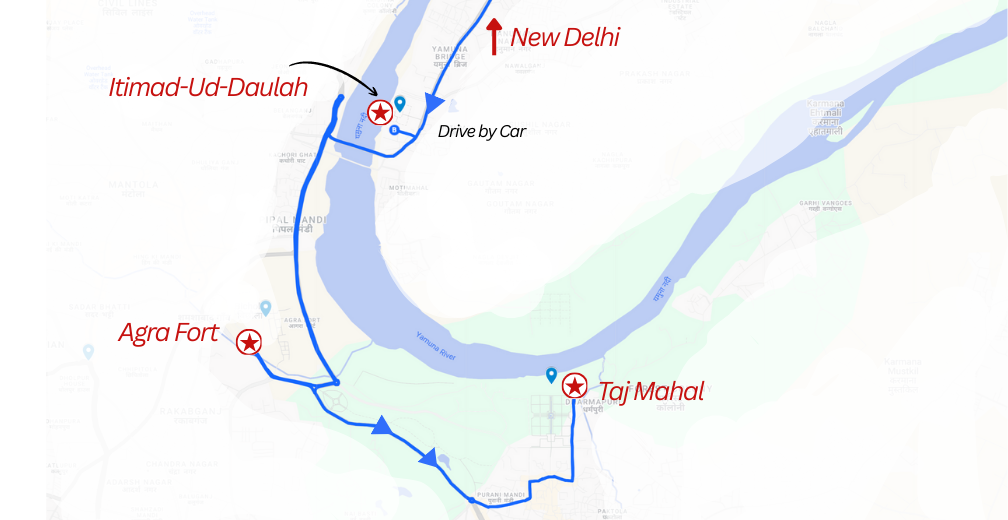
If you’re planning a trip to India and the Taj Mahal is on your list (as it should be!), make sure you carve out some time to explore its lesser-known but equally stunning neighbor: Agra Fort. Just 2.5 kilometers (a little over 1.5 miles) from the iconic Taj Mahal, this red sandstone fortress is packed with history, architecture, and panoramic views that’ll leave you speechless.

A Fortress Fit for Emperors
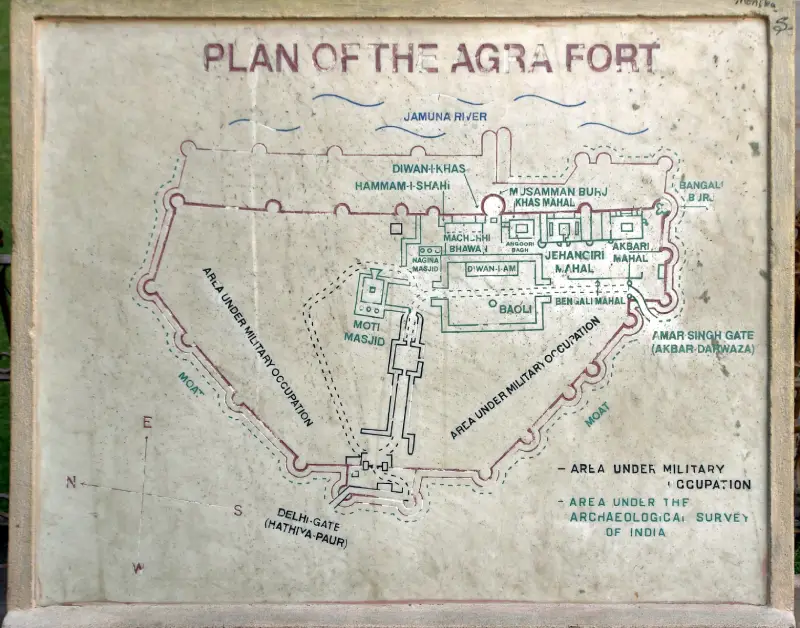
Map of Agra Fort etched on a marble slab, showing various structures within the fort such as Moti Masjid, Diwan-i-Am, Diwan-i-Khas, Jehangiri Mahal, Khas Mahal, and Akbari Mahal. The map also highlights the Yamuna River to the north, the Amar Singh Gate (Akbar Darwaza) as the main visitor entrance, Delhi Gate (Hathiya-Paur), and areas marked under military occupation and the Archaeological Survey of India. Directional indicators and the fort's defensive moat are also shown.
Agra Fort 3

By This file is not in the public domain. Therefore you are requested to use the following next to the image if you reuse this file: © Yann Forget / Wikimedia Commons, CC BY-SA 4.0, Link

Located in Agra, Uttar Pradesh, Agra Fort (also known as Lal Qila, Qila-i-Akbari, or Fort Rouge) was once the main seat of power for the mighty Mughal Dynasty. From the early 16th century until 1638, this walled city was the heart of the empire—until the capital shifted to Delhi.

Built by Emperor Akbar in 1573, this UNESCO World Heritage Site is a blend of military might and royal luxury. While its outer shell is tough and imposing, step inside and you’ll find elegant courtyards, polished marble halls, and a variety of architectural styles—including Islamic, Hindu, and even a touch of Roman flair.

The Ultimate Mughal Drama Unfolded Here

Agra Fort isn’t just about beautiful buildings; it’s also the backdrop for some intense royal drama.

After Babur (the founder of the Mughal dynasty) won the First Battle of Panipat in 1526, he took over the fort. His grandson Akbar rebuilt it using red sandstone, turning a crumbling brick structure into the power center of the empire. Over 4,000 laborers worked every day for eight years to complete it.

Fast forward to the 1600s—Shah Jahan, the emperor who built the Taj Mahal, added his own flair with white marble structures like the Sheesh Mahal (Mirror Palace) and the Diwan-i-Am (Hall of Public Audience). Sadly, Shah Jahan’s story took a tragic turn when his own son, Aurangzeb, imprisoned him in the fort. Rumor has it, Shah Jahan spent his final years gazing out at the Taj Mahal from the Muasamman Burj, a beautiful marble balcony.

From Empires to the British Raj
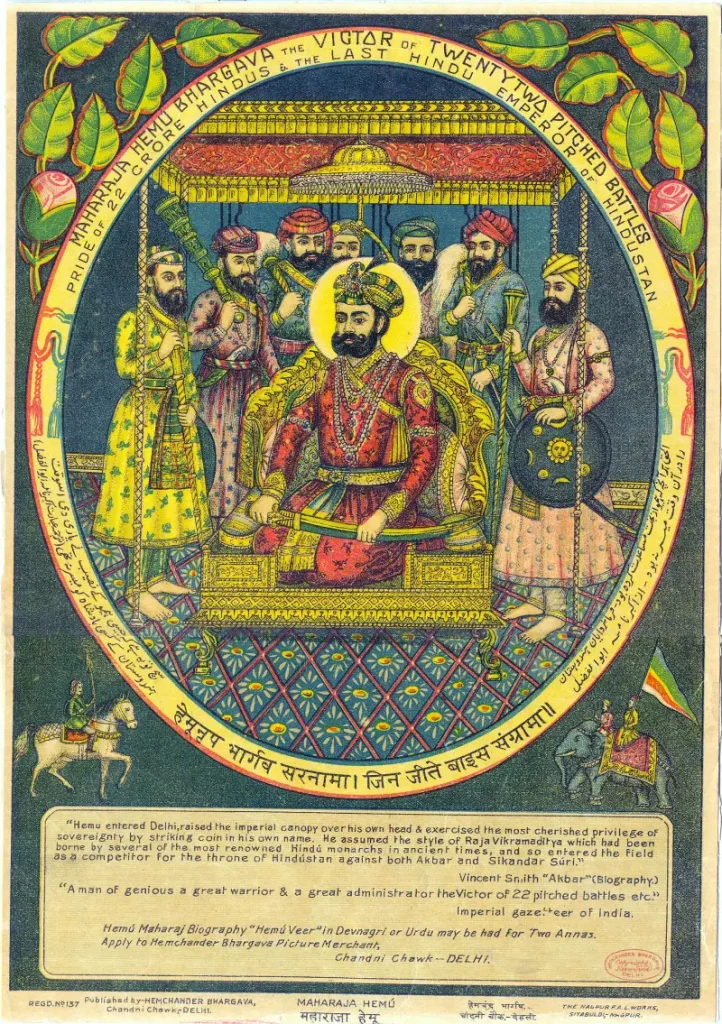
 

A vibrant, early 20th-century chromolithograph-style poster depicting Maharaja Hemu Bhargava (Hemu), seated on a golden throne surrounded by courtiers and warriors. The artwork honors him as "The Victor of Twenty-Two Pitched Battles" and "The Last Hindu Emperor of Hindustan." The throne room is richly decorated, and Hemu is shown with a halo, wearing royal attire and holding a sword. Inscriptions in English, Hindi, and Urdu surround the image, along with decorative leaves and symbols of power, such as a horseman and an elephant with a flag. The poster includes historical commentary and a quote from Vincent Smith’s biography of Akbar.
Agra Fort 4

By Unknown (Bazaar art) – Columbia Art, Public Domain, Link

The fort changed hands multiple times—from the Mughals to the Sur Empire, then back to the Mughals, followed by the Marathas, and finally the British East India Company. It even played a role in the 1857 Indian Rebellion, marking the end of the Company’s rule and the beginning of direct British control over India.

What to Expect Today

Today, Agra Fort stands as a testament to India’s layered history, with red sandstone ramparts, ornate palaces, audience halls, and lush gardens. The vibe here is royal, and the views? Unreal—especially if you’re snapping pics of the Taj Mahal from the upper levels.

Whether you’re into architecture, history, or just love soaking in panoramic views, this place delivers. Plus, it’s family-friendly, wheelchair-accessible, and comes with paid parking for convenience.

Why It Should Be on Your India Bucket List

Sure, the Taj Mahal gets all the glory, but Agra Fort is where you feel the pulse of India’s imperial history. It’s a must-see for travelers who want to go beyond the postcard and dive into the real stories of power, passion, and palace intrigue.

So next time you’re in Agra, don’t just make it a Taj Mahal day trip. Give Agra Fort the spotlight it deserves—you’ll leave with stories (and photos) worth a thousand likes.

How to Reach at Agra Fort

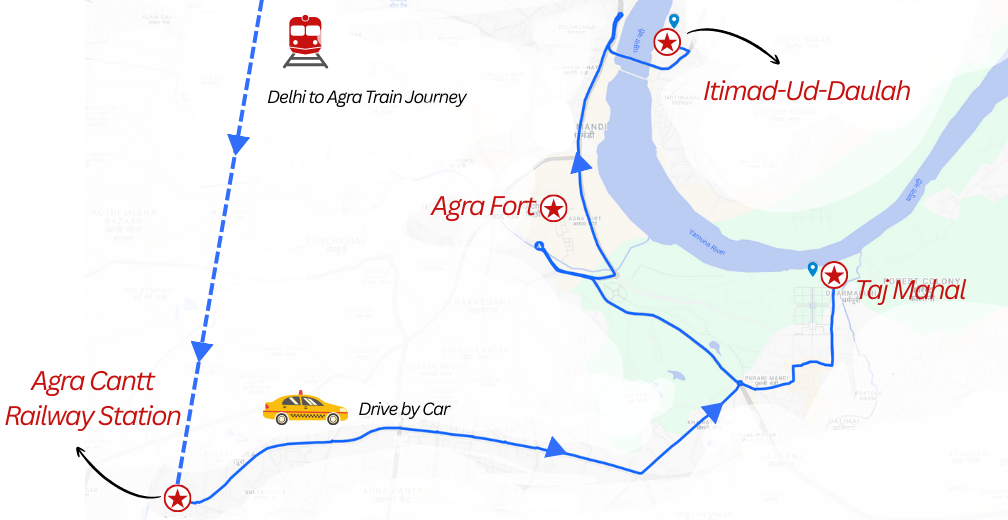
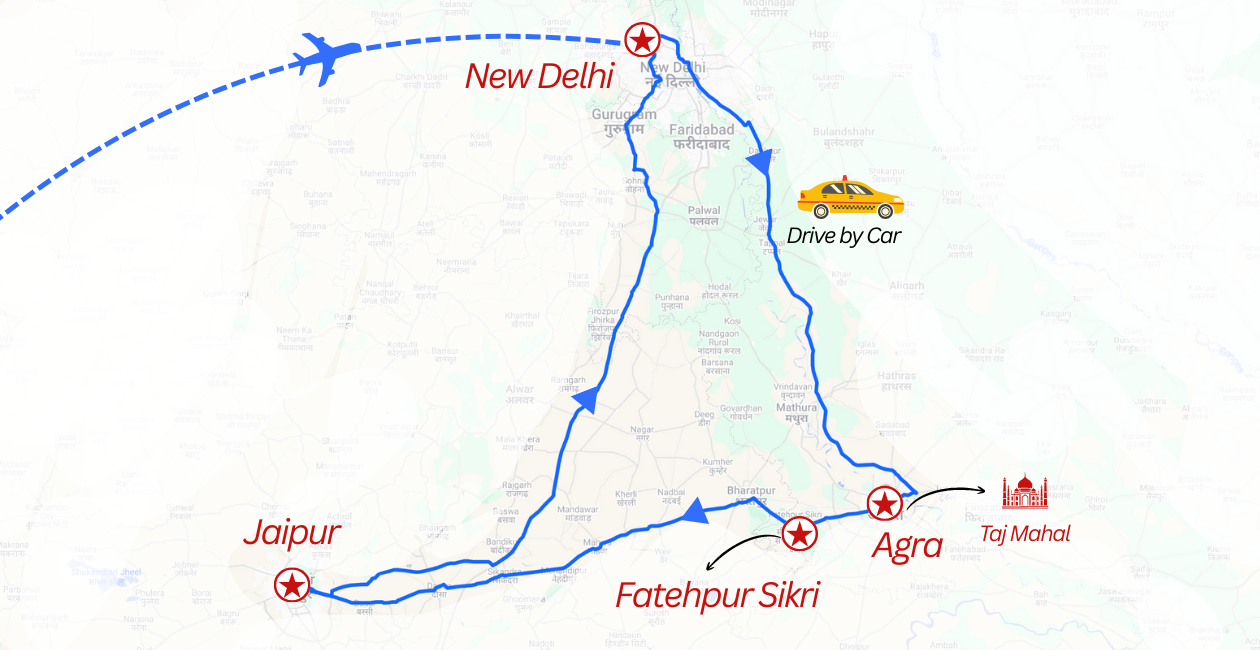
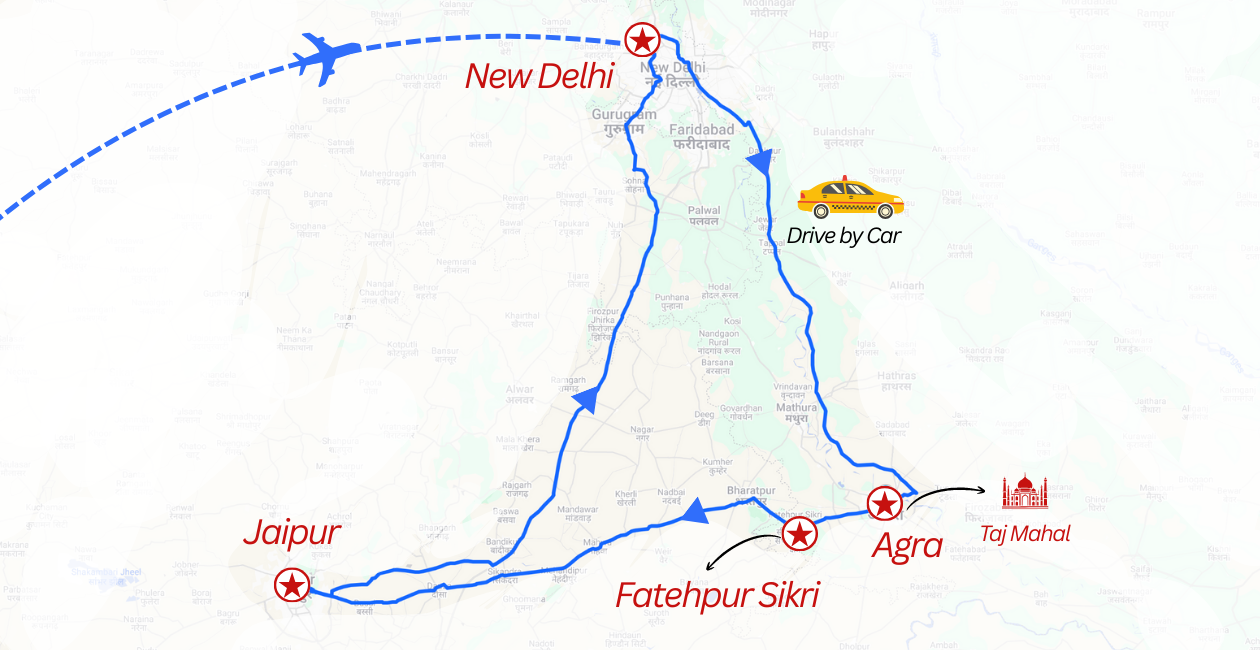
By Air: The closest airport is Agra Airport (AGR), located about 13 km (8 miles) from the fort. It has limited domestic connections, so most international travelers fly into Indira Gandhi International Airport (DEL) in Delhi and then drive or take a train to Agra.

By Train: Agra Cantt Railway Station is the main station and is about 5 km (3 miles) from Agra Fort. It’s well connected to major cities like Delhi, Jaipur, and Mumbai. From the station, you can grab a taxi, auto-rickshaw, or even a tuk-tuk for a quick ride to the fort.

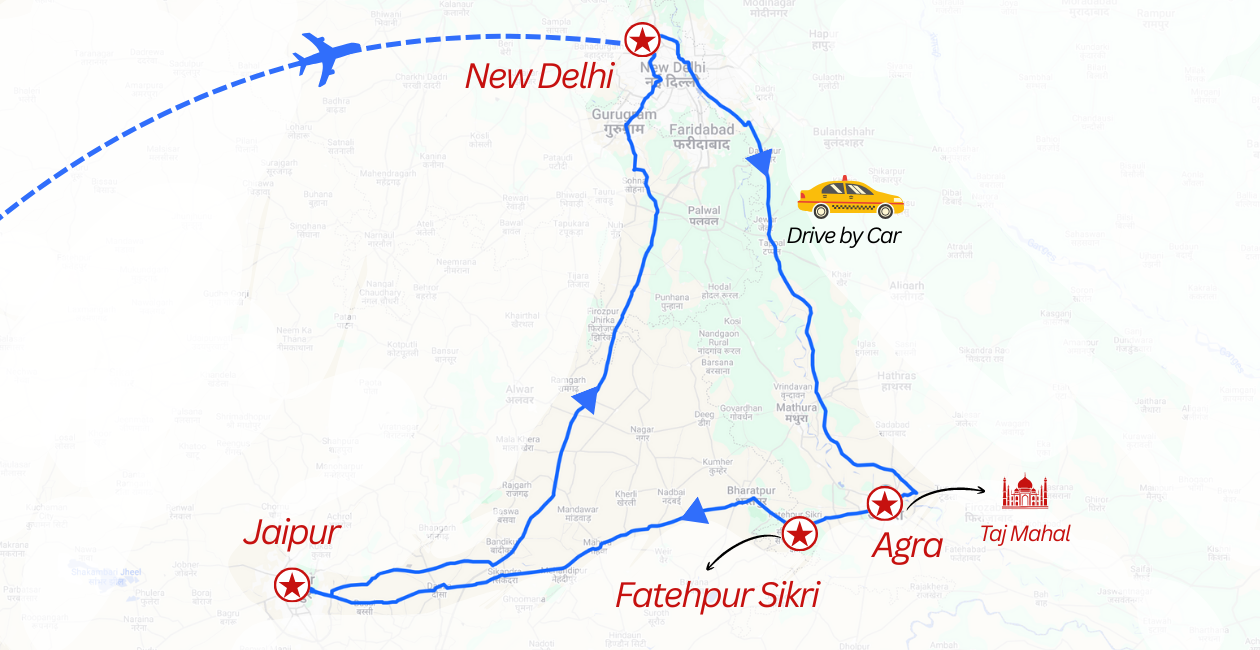
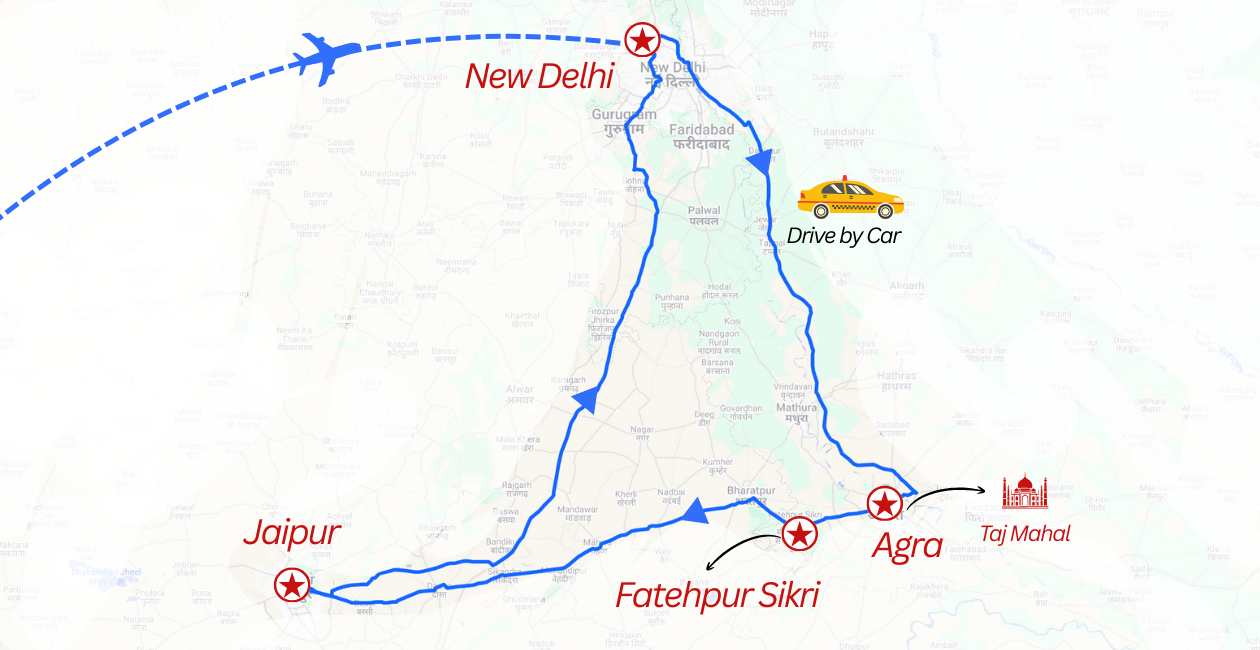
By Road: Agra is part of the Golden Triangle tourist circuit (Delhi–Agra–Jaipur), and it’s an easy 3–4 hour drive from Delhi via the Yamuna Expressway. Private cabs, tourist buses, and self-drive rentals are all solid options.

Local Transport: Once you’re in Agra, you can use auto-rickshaws, cycle rickshaws, taxis, or app-based cabs like Ola or Uber to reach the fort. It’s centrally located and easy to find.
Other Popular Tourist Attractions in

Agra Tour Packages

FAQ About Agra Fort

All
Basic Tour Packages
Comfort Tours
Golden Triangle Tours
Group tour
Premium Day Tours
Rajasthan Tours
Same Day Holiday Tour Packages
Taj Mahal Tour Packages
Women Special
Is it safe for foreign tourists to travel to Agra?
Thinking about visiting Agra but wondering if it’s safe? You’re not alone! Agra is one of the most visited cities in India, thanks to the iconic Taj Mahal. While the city is generally safe for tourists, it’s always smart to take some precautions. Here’s everything you need to know about staying safe while exploring this historic destination. General Safety in Agra Agra is tourist-friendly, and millions of travelers visit every year without any issues. However, like any major tourist destination, there are things to watch out for. Pickpocketing, scams, and minor inconveniences can happen, but as long as you stay aware, your trip will be smooth and enjoyable. Safe to Explore – Agra’s main attractions are well-guarded and tourist-friendly. Friendly Locals – People in Agra are warm and welcoming to visitors. Reliable Transportation – Taxis, rickshaws, and guides are widely available. Safety Tips for Tourists in Agra Keep Your Belongings Secure Agra gets crowded, especially around...
How many days are recommended to explore Agra?
If you’re planning a trip to Agra, you might be wondering how many days you need to truly experience its historical and cultural richness. While many visitors opt for a quick day trip, staying for at least two to three days allows for a more immersive experience. One-Day Itinerary: The Essentials If you’re short on time, a single day in Agra is enough to cover the highlights: Taj Mahal – Arrive early to catch the sunrise and avoid crowds. Agra Fort – Explore this impressive Mughal stronghold. Mehtab Bagh – End your day with a sunset view of the Taj Mahal. Recommended Tour: Same Day Agra Group Tour by Train or Same Day Agra Group Tour by Coach. Two-Day Itinerary: Deeper Exploration With two days, you can take a more relaxed approach and visit additional sites: Day 1: Taj Mahal, Agra Fort, Mehtab Bagh, and Itmad-ud-Daulah (Baby Taj). Day 2: Fatehpur Sikri – A day trip to this abandoned Mughal city. Recommended Tour: Offbeat Two Days Agra Tour by Car. Three-Day...
Are there any photography restrictions in Agra?
If you’re planning a trip to Agra and wondering about photography rules, you’re in the right place! Agra is a photographer’s dream, but there are a few do’s and don’ts when it comes to capturing its iconic sites. Let’s break it all down so you can snap those Instagram-worthy shots without any hiccups. Photography at Agra Fort Good news! You can absolutely use your DSLR camera at Agra Fort without paying any extra fees. Lenses? No restrictions! Whether you’re rocking a wide-angle or a telephoto lens, you’re good to go. However, if you’re planning to shoot video, that’s where things change. Video cameras require an additional fee, thanks to some old-school regulations. But for still photography? Click away! Photography at the Taj Mahal This is where things get a little strict. While photography is allowed in most areas of the Taj Mahal, it’s strictly prohibited inside the main mausoleum. You’re free to take breathtaking shots from the gardens, riverbanks, and...
What are the must-visit attractions in Agra?
So, you’re thinking about visiting Agra? Great choice! This city isn’t just about the Taj Mahal (though, let’s be real, it’s the showstopper). Agra is packed with history, architecture, and cultural experiences that’ll leave you in awe. If you’re planning a trip, here are the top must-visit attractions you absolutely can’t miss! 1. The Taj Mahal – The Icon of Love This one’s a no-brainer! The Taj Mahal is THE reason most people visit Agra, and for good reason. This stunning white marble mausoleum, built by Emperor Shah Jahan for his beloved wife Mumtaz Mahal, is one of the Seven Wonders of the World. It’s breathtaking at sunrise when the light hits just right. Pro Tip: Buy shoe covers only if you’re planning to visit the museum inside. Otherwise, just soak in the views and snap some Insta-worthy shots. 2. Agra Fort – A Peek into Mughal Power Just a few miles from the Taj Mahal, Agra Fort is a must-see. This massive red sandstone fortress was home to generations of Mughal emperors....
What outdoor activities can be enjoyed in Agra?
If you’re planning a trip to Agra, you’re in for a real treat! This city isn’t just about the Taj Mahal (though, let’s be real, it’s a big deal). Agra offers a ton of exciting outdoor activities that will make your trip unforgettable. From exploring historic forts to cruising down the Yamuna River, there’s plenty to do. Let’s dive into the best outdoor experiences you can enjoy in Agra! 1. Watch the Sunrise at the Taj Mahal Nothing beats watching the sunrise over the Taj Mahal. The golden hues reflecting off the pristine white marble? Pure magic. Early morning visits mean fewer crowds, cooler temperatures, and an opportunity for those perfect Insta-worthy shots. If you’re staying in Delhi, you can take a Private Sunrise Taj Mahal Tour that includes transportation and an expert guide to walk you through the history of this wonder. 2. Explore Agra Fort Agra Fort is another UNESCO-listed site that deserves your time. This massive red sandstone fortress...
What hotels do you recommend in Agra?
If you’re heading to Agra, home of the breathtaking Taj Mahal, you’re probably wondering where to stay. The good news? Agra has some incredible hotels, from luxury resorts to budget-friendly stays, all catering to different tastes and budgets. Whether you’re looking for a lavish retreat or a cozy, budget-friendly option, I’ve got you covered. Let’s dive into the best hotels in Agra, so you can pick the perfect place to crash after a long day of exploring! Best Luxury Hotels in Agra If you’re all about luxury, comfort, and top-notch service, these hotels will make your Agra stay unforgettable. 1. Oberoi Amarvilas This is hands-down the most luxurious hotel in Agra. With its Mughal-inspired architecture, lush gardens, and unbeatable views of the Taj Mahal, it’s pure magic. Every room comes with a view of the Taj, and the service is world-class. If you’re looking for a once-in-a-lifetime experience, this is the place to splurge. 2. ITC Mughal This...
Can I book a tour from the USA?
Absolutely! If you’re chilling in the USA and dreaming about an epic adventure in India, booking a tour is super easy. Whether you’re eyeing a Same Day Agra Tour to witness the majestic Taj Mahal or planning a full-fledged Golden Triangle Tour (Delhi, Agra, Jaipur), we’ve got you covered. From flights and hotels to guides and transport, we handle everything so you can show up and soak in the experience. Now, let’s break it down and make this happen! Step 1: Pick Your Perfect Tour Package We know every traveler is different—some love history, some are into architecture, and others want a stress-free getaway. We offer many tour packages tailored to fit every explorer type. Here are some of our top-selling options: Golden Triangle Tour – The classic India tour covers Delhi, Agra, and Jaipur, giving you a perfect mix of history, culture, and stunning architecture. (Yes, you’ll see the Taj Mahal!) Rajasthan Tour – Wanna explore India’s royal side?...
What should I wear when visiting Agra?
So, you’re planning a trip to Agra? That’s awesome! Agra is home to one of the most breathtaking wonders of the world—the Taj Mahal. But before you hop on a plane, let’s talk about what to wear. Trust me, dressing right will not only keep you comfortable but will also help you respect local customs and get the best travel experience. Dress Modestly, But Stay Comfortable Agra, like much of India, leans on the conservative side, so dressing modestly is the way to go. It’s not about stifling your style—it’s about blending in and respecting the culture while keeping cool and comfy. For Women: Loose-fitting tops with sleeves (avoid spaghetti straps or low necklines) Maxi skirts, palazzo pants, or loose-fitting trousers Breathable, flowy dresses that cover your knees A lightweight scarf (great for covering shoulders when needed or shielding from the sun) For Men: T-shirts or button-down shirts (sleeveless tops are not recommended) Long shorts or lightweight...
Can I shop for souvenirs in Agra?
Absolutely! If you’re heading to Agra, you better believe there’s a treasure trove of souvenirs waiting for you. This city isn’t just about the Taj Mahal—it’s also a shopping paradise filled with marble wonders, leather goods, handcrafted jewelry, and traditional textiles. Whether you’re looking for a high-end keepsake or a budget-friendly trinket, Agra’s got it all. Let’s dive into where to find the best souvenirs and how to shop like a pro! Where to Find the Best Souvenirs in Agra 1. Marble Handicrafts – Bring a Piece of the Taj Mahal Home Agra is world-famous for its intricate marble inlay work, inspired by the Taj Mahal. If you want to take a piece of that beauty home, head to places like Marble Handicrafts Agra, Subhash Emporium, and Taj Gallery. These shops have jaw-dropping collections of handcrafted marble pieces, from coasters to tabletops. ➡ Hot Tip: Watch a live demo of the inlay work—it’s mesmerizing! But remember, quality varies, so always check for...
Are there any unique experiences in Agra?
Agra offers far more than just the Taj Mahal. From the stunning Itmad-ud-Daulah’s Tomb and Akbar’s Tomb to the Kalakriti Light & Sound Show, the city is filled with unique experiences. Visitors can explore bustling markets, enjoy famous petha and street food, and visit the fascinating Fatehpur Sikri. Shopping for handicrafts and leather goods adds to the charm. To fully experience Agra’s history and culture without stress, booking a guided tour is highly recommended. With expert insights and seamless planning, a tour ensures a memorable and enriching visit to this historic city. Agra awaits—make your journey unforgettable!