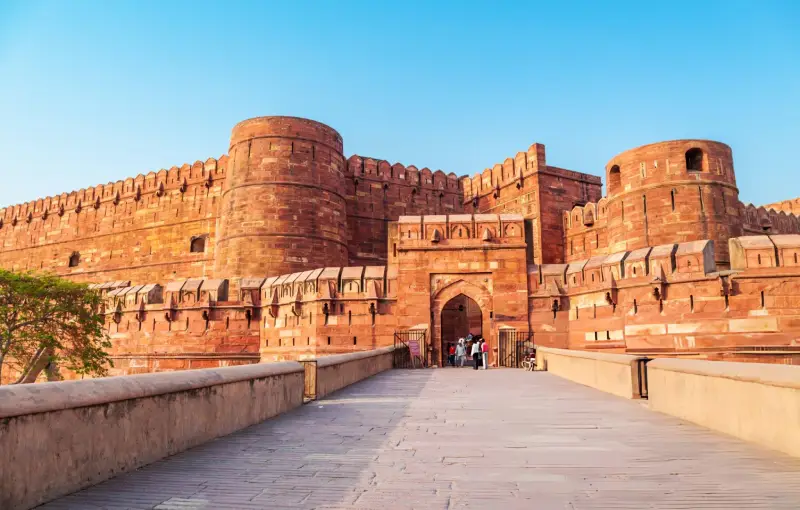
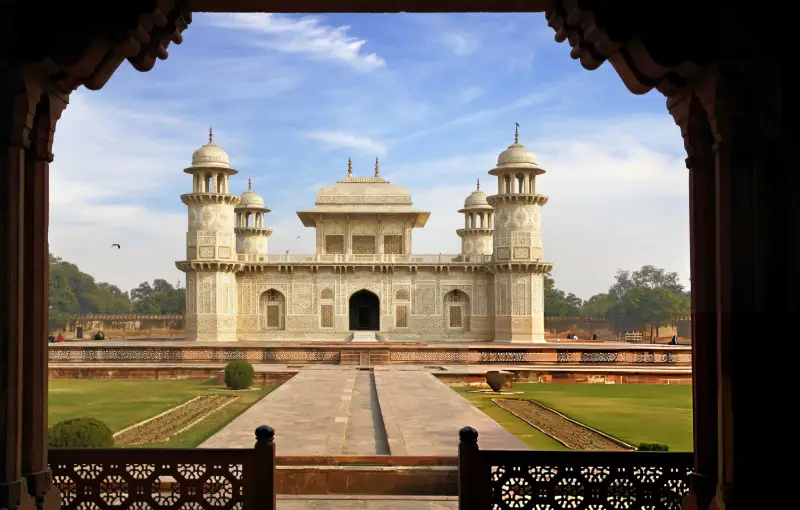
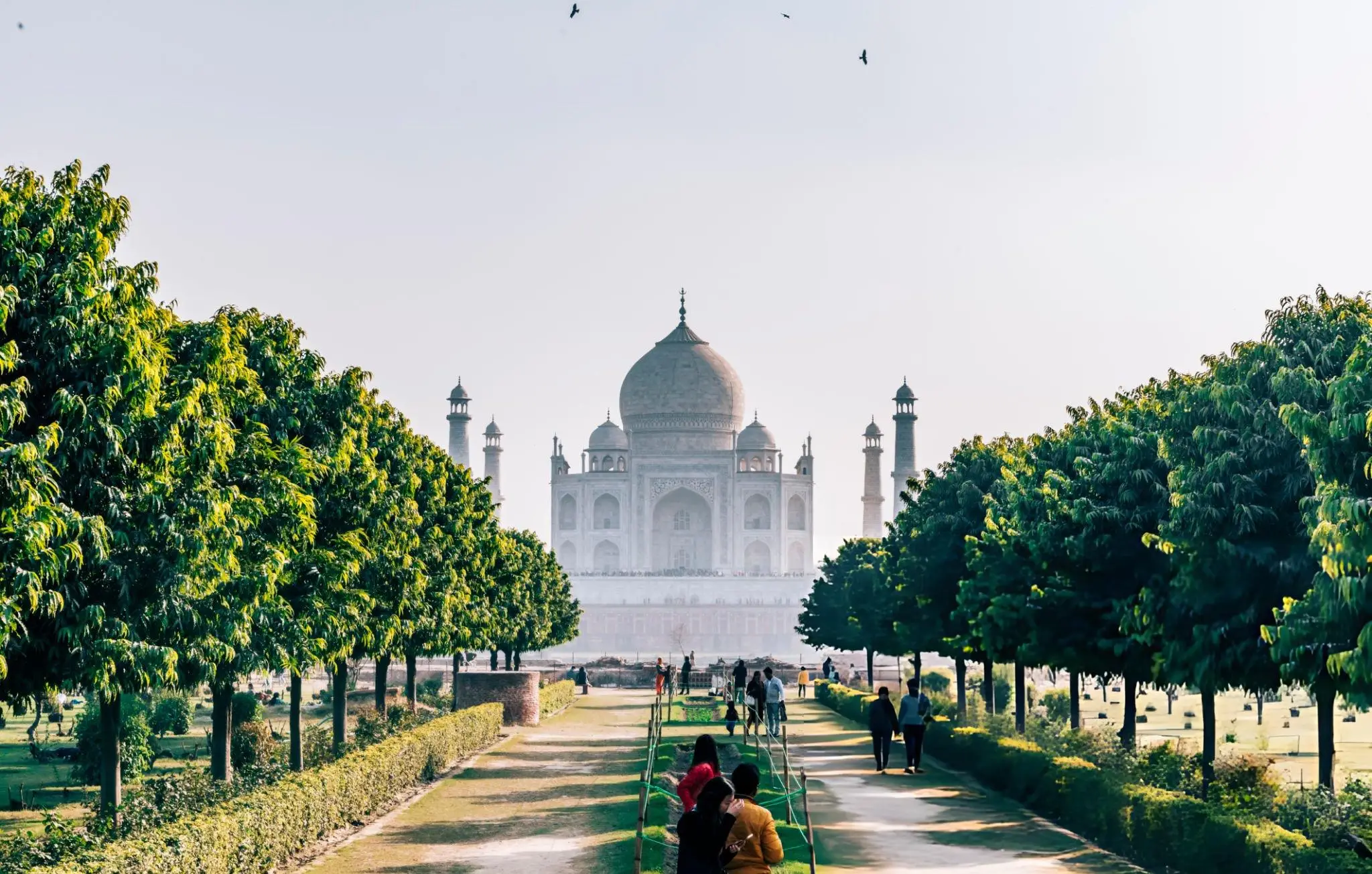
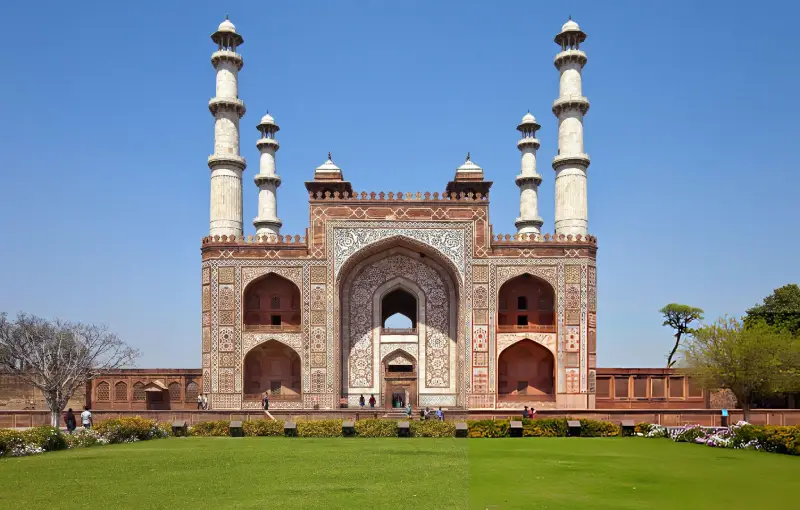
Tucked away in Sikandra, a peaceful suburb on the outskirts of Agra, Uttar Pradesh, Akbar’s Tomb is one of India’s most awe-inspiring monuments. Built between 1605 and 1613 by Emperor Jahangir, the son of Akbar the Great, this sprawling mausoleum is more than just a tomb — it’s a deep dive into India’s royal past, Mughal architectural mastery, and a celebration of a visionary ruler’s life. Whether you’re a history buff, architecture lover, or just a curious traveler with a camera in hand, Akbar’s Tomb is a can’t-miss spot while exploring Agra — the same city that boasts the Taj Mahal. Why Akbar’s Tomb Deserves a Spot on Your Bucket List Legacy of a Legend Akbar the Great wasn’t just another king; he was the king who changed the game. Ruling from 1556 to 1605, Akbar expanded the Mughal Empire like a boss, brought in economic reforms, and promoted religious tolerance. He made his court a hotspot for artists, scholars, and spiritual leaders from all walks of life. He was so legendary that he started building his own tomb during his lifetime (talk about planning ahead!). The Architecture is Straight Fire Akbar’s Tomb is where Mughal architecture hits its peak.