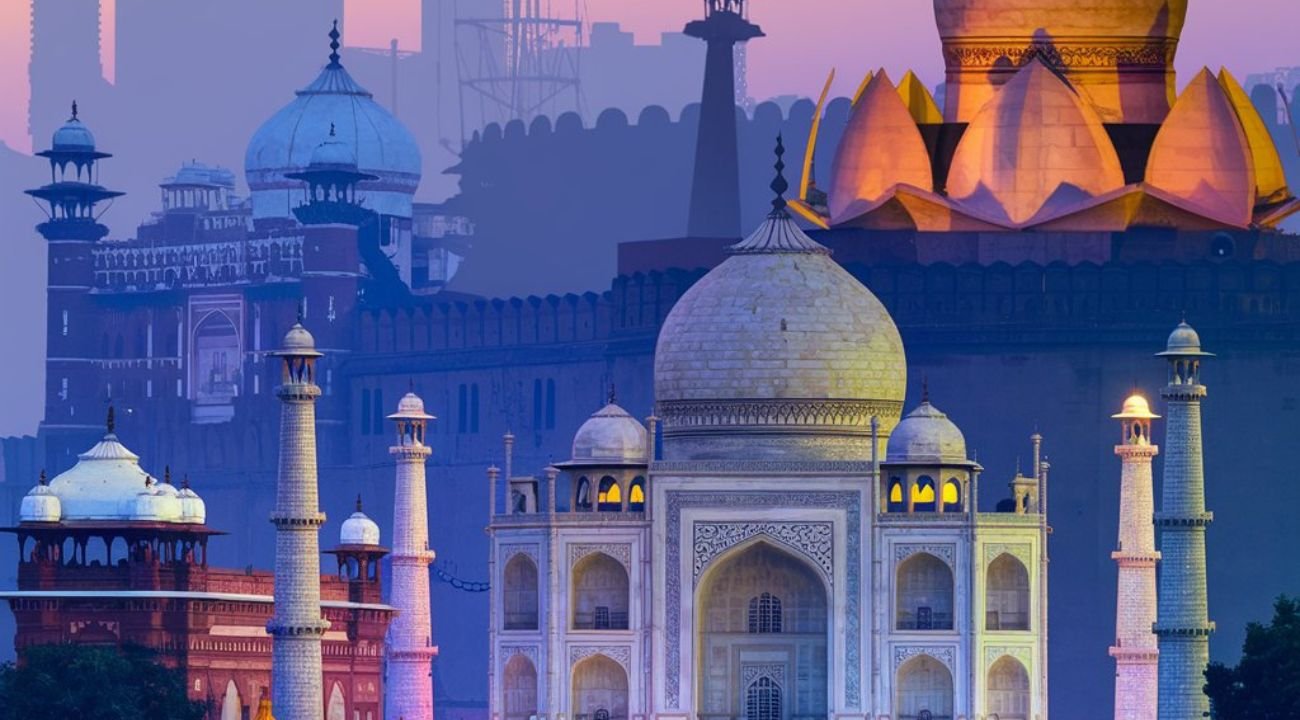
Tucked away in Sikandra, a peaceful suburb on the outskirts of Agra, Uttar Pradesh, Akbar’s Tomb is one of India’s most awe-inspiring monuments. Built between 1605 and 1613 by Emperor Jahangir, the son of Akbar the Great, this sprawling mausoleum is more than just a tomb — it’s a deep dive into India’s royal past, Mughal architectural mastery, and a celebration of a visionary ruler’s life.
Whether you’re a history buff, architecture lover, or just a curious traveler with a camera in hand, Akbar’s Tomb is a can’t-miss spot while exploring Agra — the same city that boasts the Taj Mahal.
Why Akbar’s Tomb Deserves a Spot on Your Bucket List
Legacy of a Legend
Akbar the Great wasn’t just another king; he was the king who changed the game. Ruling from 1556 to 1605, Akbar expanded the Mughal Empire like a boss, brought in economic reforms, and promoted religious tolerance. He made his court a hotspot for artists, scholars, and spiritual leaders from all walks of life. He was so legendary that he started building his own tomb during his lifetime (talk about planning ahead!).
The Architecture is Straight Fire
Akbar’s Tomb is where Mughal architecture hits its peak. The complex is a five-story pyramid-shaped structure with a marble pavilion sitting at the top. Think of it as a fusion of Islamic, Hindu, Persian, and even Christian elements — a true melting pot of styles.
Key features include:
- Red sandstone base with white marble inlay that pops beautifully under the Indian sun.
- Four white marble minarets on the southern gateway — the OGs that inspired the Taj Mahal’s towers.
- No dome! Unlike typical Mughal tombs, Akbar’s tomb skips the dome in favor of a flat marble pavilion, which might just reflect his forward-thinking mindset.
- Basement burial chamber: The real grave lies below, while the upper floor holds a symbolic tomb.
The Gardens are on Point
The tomb sits in a massive 119-acre Mughal-style garden, divided into four (a charbagh layout). It’s quiet, lush, and perfect for a chill stroll or some golden hour photography. Keep an eye out for peacocks and other local wildlife that roam the grounds.
Bonus Attractions Nearby
Right next to Akbar’s Tomb is the Tomb of Mariam-uz-Zamani, Akbar’s favorite queen. Her tomb was originally a pleasure pavilion, later turned into her final resting place by her son Jahangir. You’ll also find the Kanch Mahal, a lesser-known gem with gorgeous tile work that’s believed to have housed royal women.
A Story with Twists: Looted & Restored
Not all of history was kind to this site. In 1688, Jat rebels led by Raja Ram ransacked the tomb, burning Akbar’s bones and looting valuables — a major slap in the face to Mughal pride. Fast forward to the British Raj, Viceroy George Curzon ordered its restoration in the early 1900s, turning the wreck into a regal wonder once again.
How to Reach
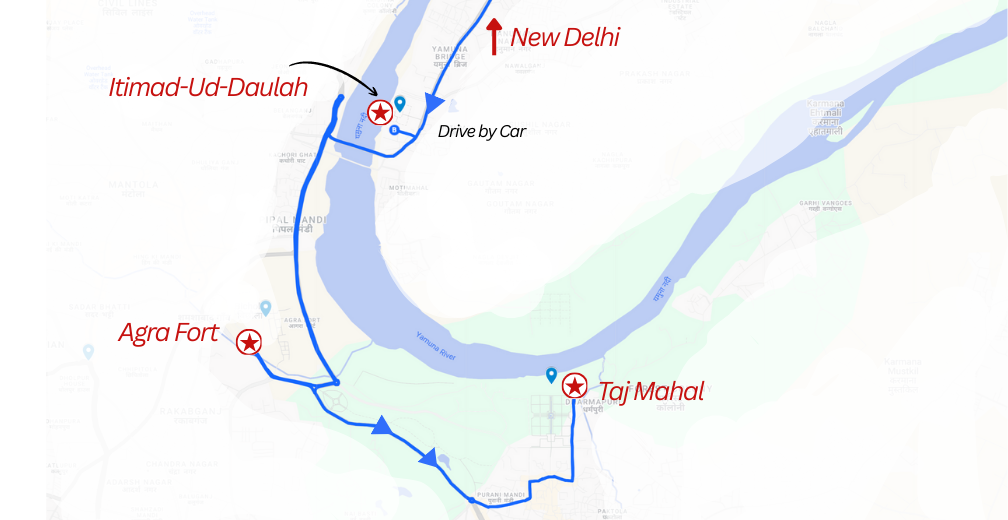
Location: Sikandra, on the Delhi–Agra Highway (NH-19), about 8 km from Agra’s city center.
By Air:
- Fly into Agra Airport (AGR), about 10 miles away.
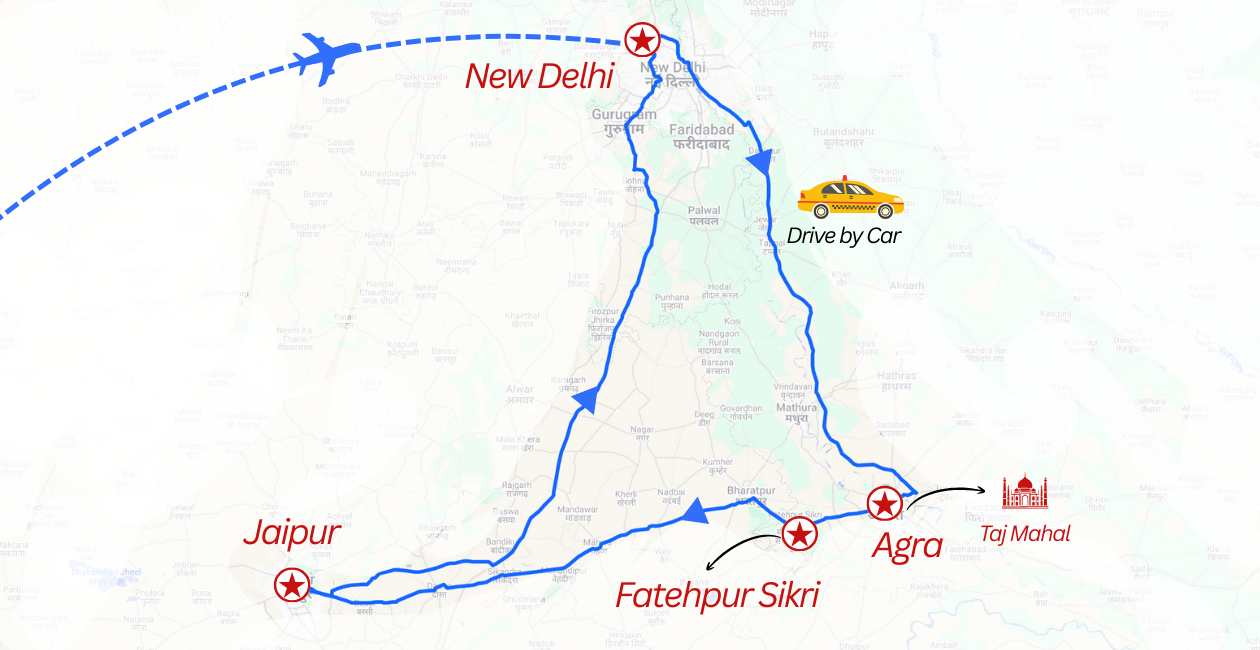
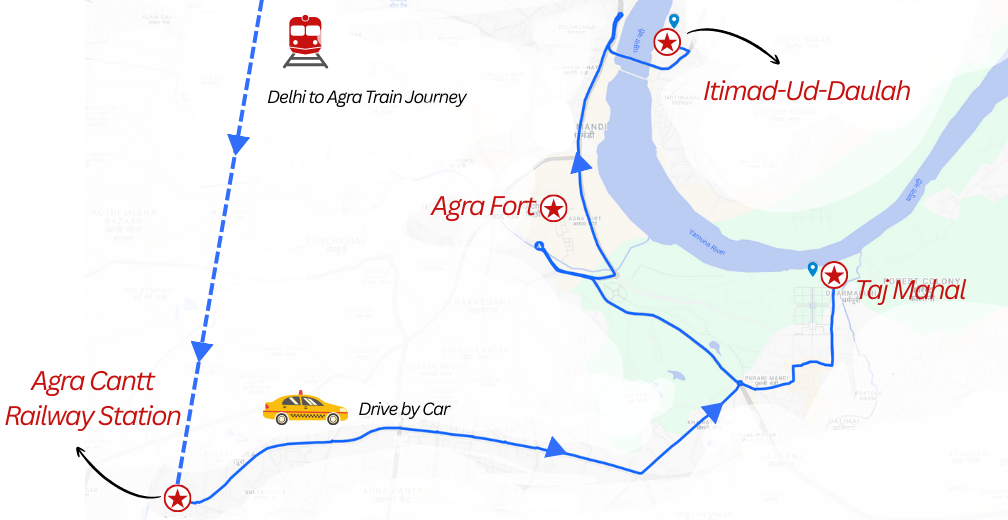
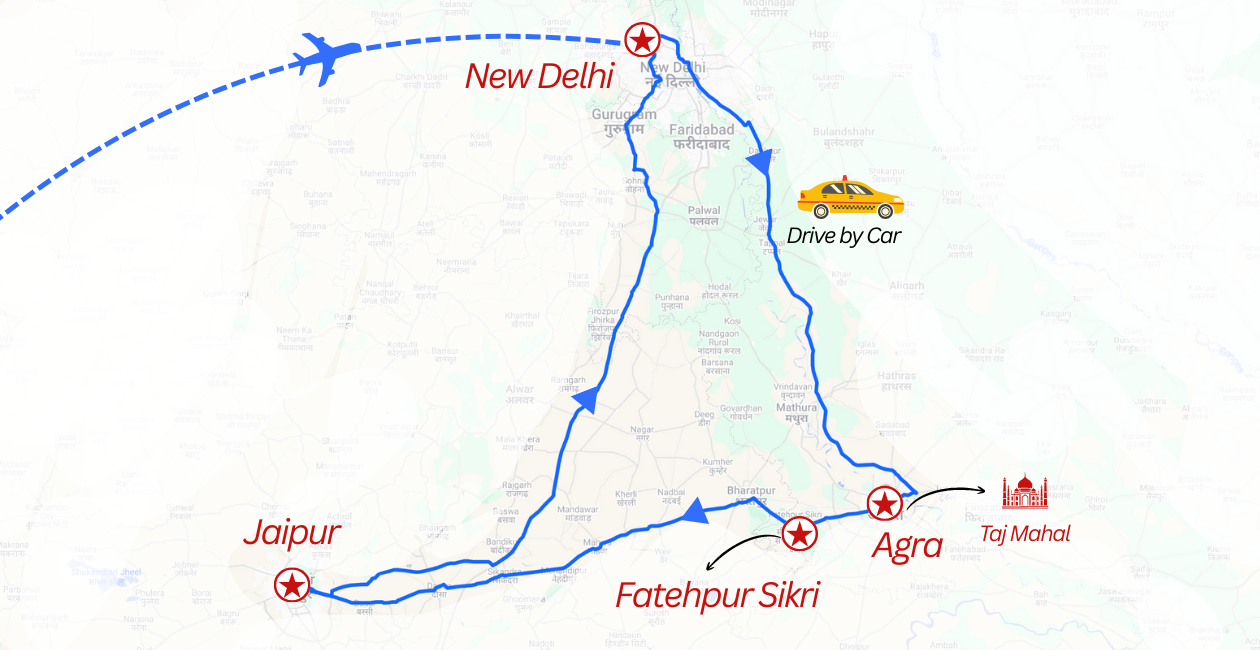
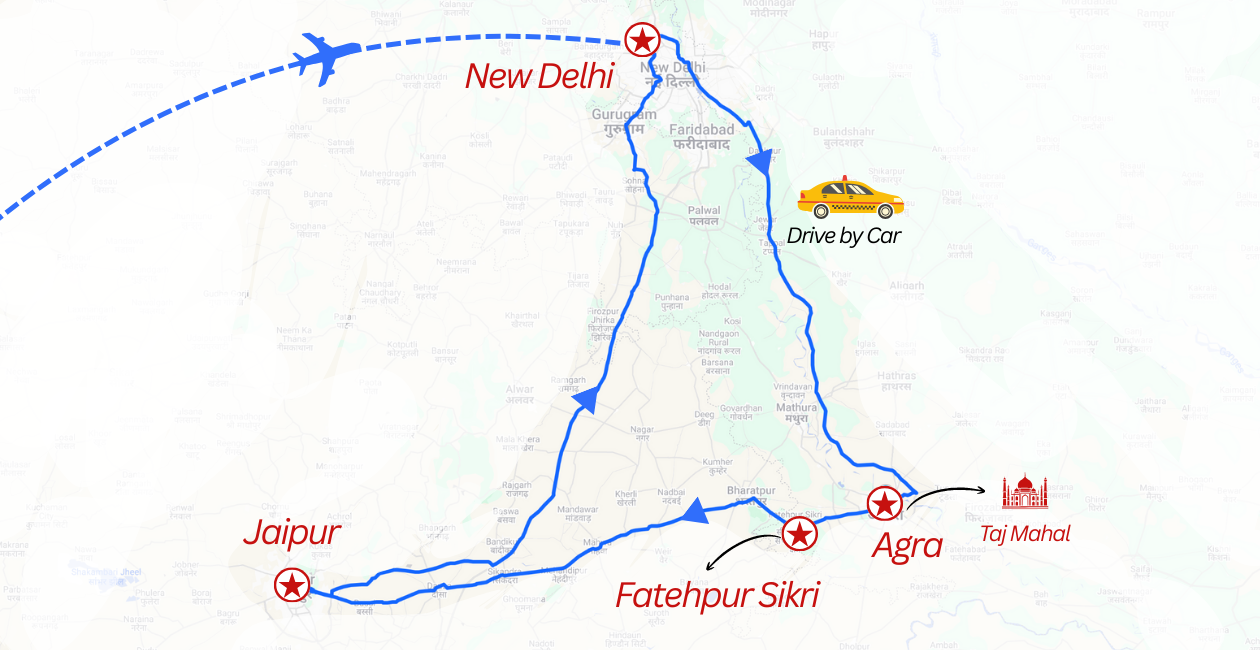
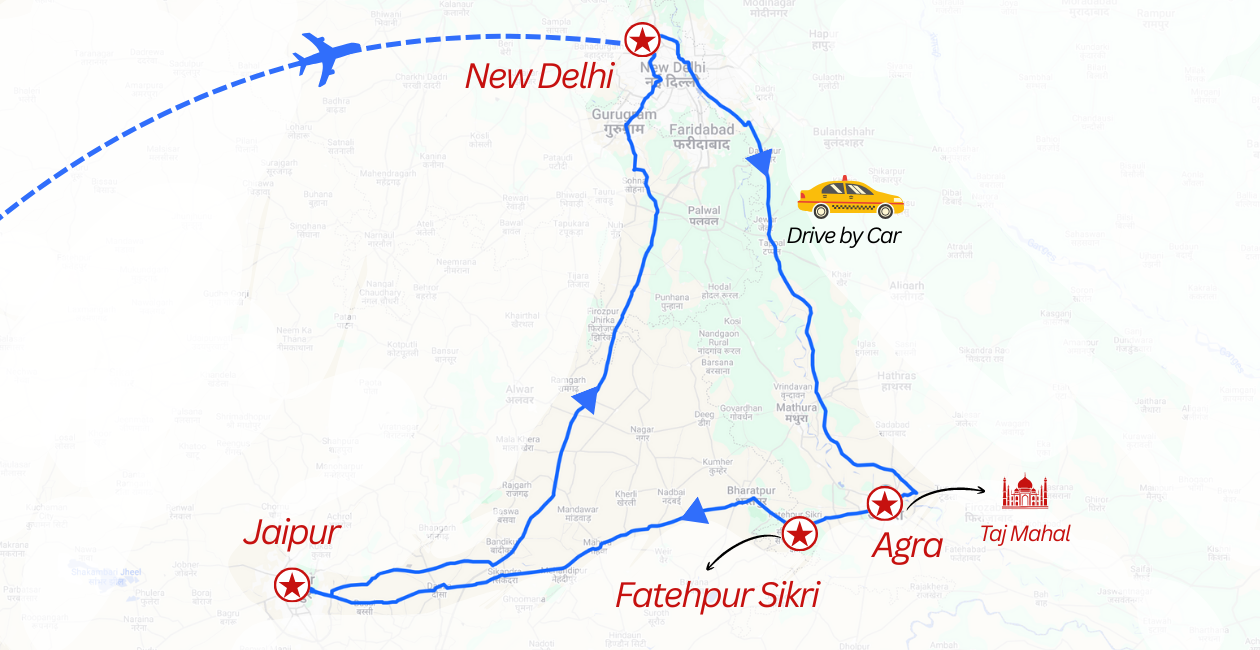
- If you’re coming from overseas, you can land at Delhi’s Indira Gandhi International Airport and drive or take a train to Agra (roughly a 3-4 hour ride).
By Train:
- The nearest station is Agra Cantt — about a 20-minute drive to the tomb.
- You can grab a cab, auto-rickshaw, or even book an Uber or Ola from the station.
By Road:
- Easily accessible via the Delhi-Agra Expressway (Yamuna Expressway) or NH-19.
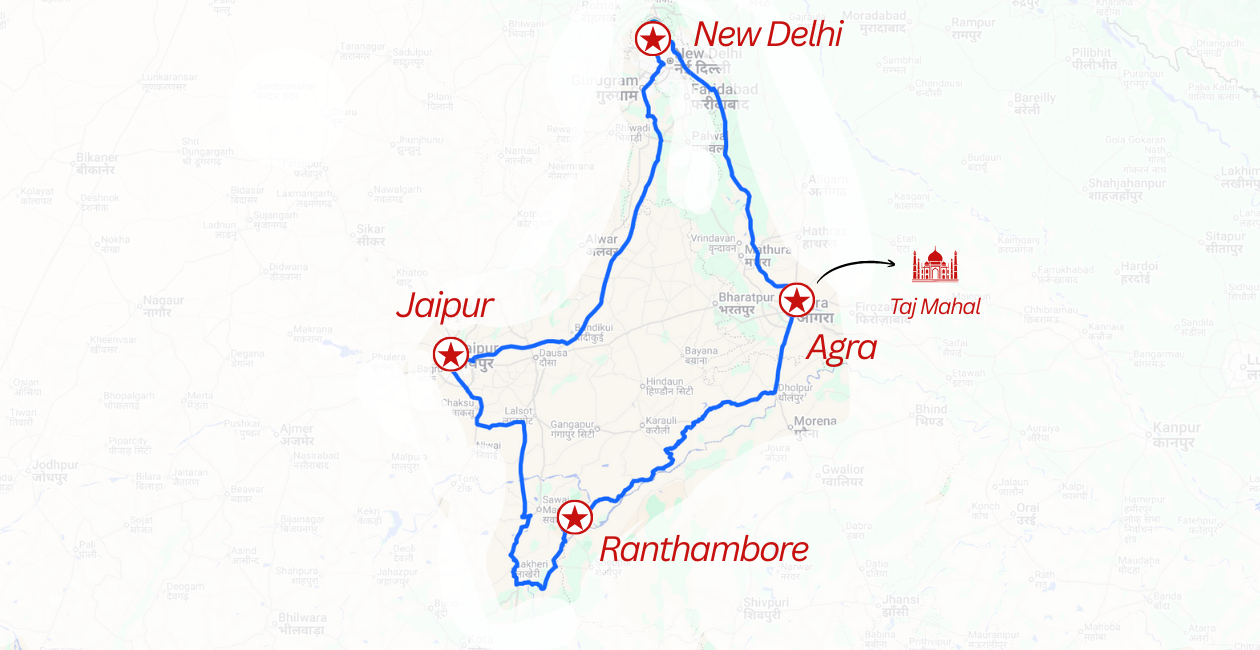
- Taxis, rental cars, and buses are all solid options if you’re road-tripping from Delhi or nearby cities.