Flora and Fauna

Tourist Attraction in Ranthambore

Overview

Though the Ranthambore National Park is famous for its mighty Royal Bengal Tiger, there are other amazing flora and fauna to see and discover. To everyone’s surprise, there are more than 530 species of flowering plants along with unique shrubs, and grass in this national park. 

Speaking of Fauna, the Ranthambore National Park is home to 40 species of mammals, 35 species of reptiles, and 320 species of birds. Some of the most iconic animals to spot here are – Tigers, Leopards, Indian Foxes, Snub-nosed Marsh Crocodiles, and more.

What’s Flora and Fauna, Anyway?

Let’s break it down real quick. “Flora” is all the plant life in a region — everything from trees and flowers to moss and grass. “Fauna” is all the animals, whether they’re big, small, feathered, or scaly. Together, they make up ecosystems that are as diverse and vibrant as India’s culture.

The Big Picture: Why India’s Biodiversity Rocks

India is ranked among the world’s top 12 mega-biodiverse countries. Here’s why:

  • Over 102,000 known animal species and more than 15,000 species of flowering plants
  • 23% of the country is covered in forests
  • Home to 4 of the world’s 36 biodiversity hotspots: The Himalayas, Western Ghats, Indo-Burma region, and the Nicobar Islands
  • 12.6% of the world’s bird species and nearly 9% of all mammals

Thanks to India’s crazy mix of landscapes — think tropical beaches, snow-capped mountains, wetlands, and deserts — every type of plant and animal imaginable calls this place home.

Flora: Nature’s Green Carpet

The flora in India is as diverse as it gets. You’ll find:

  • Over 530 species of flowering plants in Ranthambore National Park alone
  • Bright orchids and rhododendrons in the Eastern Himalayas
  • Dense mangroves in the Sundarbans
  • Grasslands across central India
  • Evergreen forests in the Western Ghats

Some plants, like the medicinal neem tree and sacred banyan tree, are even part of daily Indian life and ancient Ayurveda healing traditions.

Fauna: Wild Animals That’ll Make Your Jaw Drop

India’s wildlife is the stuff of legends. We’re talking about:

  • Royal Bengal Tigers in Ranthambore and Sundarbans
  • Asiatic Lions in Gir National Park
  • Asian Elephants wandering through the forests of Kerala and Karnataka
  • Indian Rhinos chillin’ in Kaziranga
  • Snow Leopards stalking the heights of the Himalayas

And that’s just the big guys. India’s got wild dogs (called dholes), sloth bears, leopards, and even the elusive red panda in the northeast. Bird nerds, don’t worry — you’ve got over 1,300 species of birds to spot, from peacocks to hornbills to flamingos.

Ranthambore: A Wildlife Superstar

f there’s one place that packs a punch when it comes to spotting both flora and fauna, it’s Ranthambore National Park in Rajasthan.

  • Home to: Bengal tigers, leopards, marsh crocodiles, and more
  • Plant life: Over 530 species of flowering plants
  • Don’t miss: A tiger safari through ancient ruins overtaken by vines and jungle — it’s like real-life Jungle Book vibes

How to Reach India for a Nature-Focused Trip

Flying In: Major airports like Delhi (DEL), Mumbai (BOM), and Bangalore (BLR) have direct flights from cities like New York, Chicago, L.A., and San Francisco. Book early for the best deals!

Getting Around: India’s train system is wild — in a good way! It’s affordable, scenic, and reaches even remote wildlife parks. You can also hire a driver or hop short domestic flights to save time.

Local Travel: Tuk-tuks and taxis are everywhere. For safaris or national parks, book through licensed tour companies to stay safe and legal.
Other Popular Tourist Attractions in

Ranthambore Tour Packages

FAQ About Flora and Fauna

All
Basic Tour Packages
Comfort Tours
Golden Triangle Tours
Group tour
Premium Day Tours
Rajasthan Tours
Same Day Holiday Tour Packages
Taj Mahal Tour Packages
Women Special
 Where is Ranthambore located?
 Where is Ranthambore located?
Ranthambore National Park is located in the Sawai Madhopur district of southeastern Rajasthan, India. It’s about 108 miles (175 km) from Jaipur, the capital of Rajasthan. This world-famous wildlife reserve is a must-visit for thrill-seekers, nature lovers, and history buffs alike. Nestled in the heart of Rajasthan, Ranthambore offers a unique blend of adventure, history, and stunning landscapes, making it a top destination for travelers. Where Exactly is Ranthambore? This former royal hunting ground now serves as a sanctuary for Bengal tigers, leopards, marsh crocodiles, and a variety of exotic bird species. One of its key highlights is the Ranthambore Fort, a 10th-century marvel perched on a hill, providing panoramic views of the park. Another iconic landmark is Padam Talao Lake, famous for its stunning water lilies and frequent tiger sightings. How to Get to Ranthambore You’ve decided to explore Ranthambore—awesome choice! Now, let’s break down the best ways to reach this tiger...
 Is Ranthambore part of the Golden Triangle Tour?
 Is Ranthambore part of the Golden Triangle Tour?
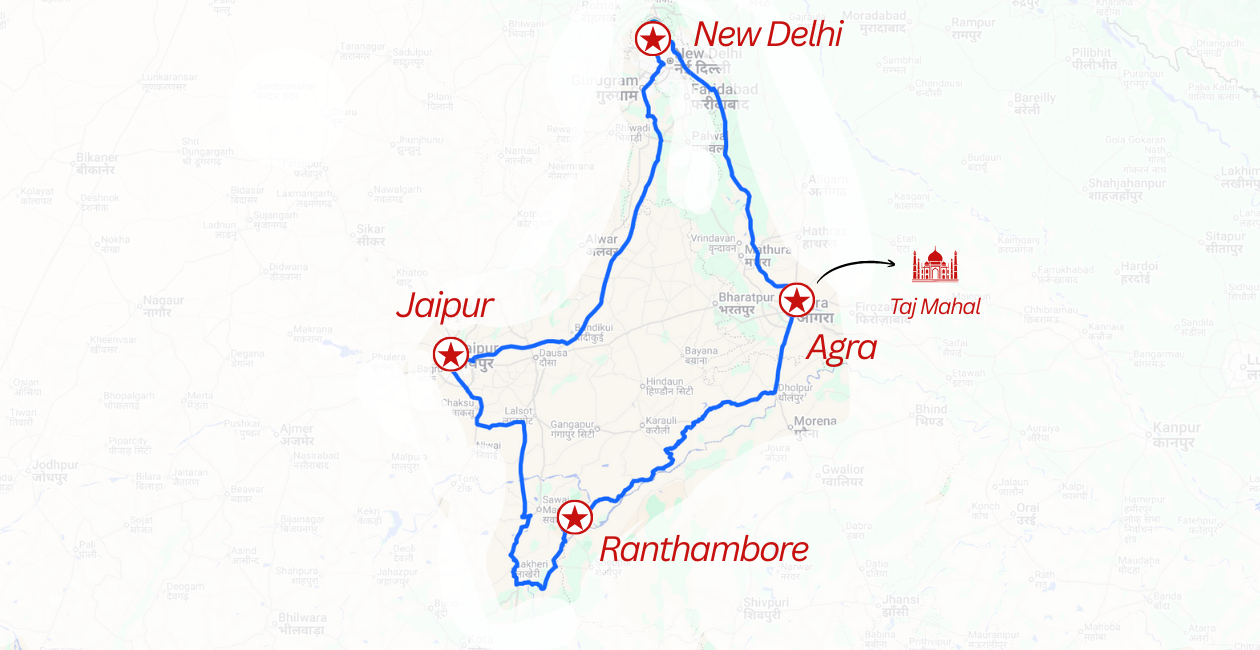
The Golden Triangle Tour—covering Delhi, Agra, and Jaipur—is India’s most popular travel route. But for those craving adventure, adding Ranthambore National Park is a must! This wildlife haven, famous for Bengal tigers, offers a refreshing escape between Jaipur and Agra. A well-planned itinerary includes historical wonders, vibrant city life, and thrilling safaris. From the Taj Mahal to the rugged jungles of Ranthambore, this tour is a perfect mix of culture and nature. Booking through a travel agency ensures a seamless experience, so you can enjoy the journey stress-free. Ready for an epic adventure? Book your Golden Triangle with Ranthambore tour today!
What’s the best time to visit Ranthambore?
So, you’re thinking about visiting Ranthambore National Park? Great choice! This place is one of the best spots in India for seeing majestic Bengal tigers in the wild. But hold on—before you pack your bags and book that safari, let’s talk about the best time to visit Ranthambore to make the most of your trip. The Prime Time: October to April If you’re looking for the sweet spot when it comes to weather and wildlife sightings, October to April is your best bet. This is when the park is at its most comfortable, making it perfect for safaris, photography, and just soaking in the wilderness. Why is this period the best? Pleasant weather: The temperature ranges from 10°C to 30°C (50°F to 86°F), making it perfect for those early morning and late afternoon safaris. Active wildlife: The cooler months mean that animals, including tigers, are out and about, soaking up the winter sun instead of hiding in dense forests. Better overall experience: No extreme heat, no heavy...
What’s so special about the Ranthambore Fort?
Ranthambore Fort is a historic gem sitting inside Ranthambore National Park, offering stunning views, rich history, and spiritual significance. Built by the Chauhans in the 8th century, it has witnessed major battles and changed hands between Rajput and Mughal rulers. The fort features seven grand gates, towering stone walls, and historic ruins like Hammir Court and Bada Mahal.
How can I get to Ranthambore?
Alright, so you’re thinking about heading to Ranthambore? Great choice! This place is a total paradise for wildlife lovers, especially if you’re looking to spot some majestic tigers in their natural habitat. But first, let’s talk about how you can get there. Whether you’re flying in, hopping on a train, or taking a road trip, I’ve got all the details laid out for you. Let’s dive in! By Air – The Fastest Route If you’re coming from outside Rajasthan (or even outside India), flying is your best bet to save time. The nearest airport to Ranthambore National Park is Jaipur International Airport (JAI), located in Sanganer, about 180 km from the park. Jaipur is well connected to all major cities in India, including Delhi, Mumbai, Chennai, and Bangalore. If you’re flying in internationally, you can land in Jaipur or opt for Delhi’s Indira Gandhi International Airport (DEL) and take a connecting flight. Once you land in Jaipur, you’ve got a few options: Hire a private cab – This is Super...
What’s the wildlife photography scene like in Ranthambore?
If you’re a wildlife photography enthusiast, Ranthambore National Park should be high on your bucket list. Nestled in Rajasthan, this incredible reserve is world-famous for its tiger population, diverse landscapes, and rich biodiversity. Whether you’re chasing the perfect tiger shot or capturing the serene beauty of the jungle, Ranthambore is a paradise for photographers. What Makes Ranthambore a Top Spot for Photography? Ranthambore isn’t just about tigers (though they are the stars of the show). The park is a dream location for capturing: Tigers in Their Natural Habitat: Ranthambore is one of the best places in the world to photograph Bengal tigers. With a little luck and patience, you can get stunning close-ups of these majestic cats in action. Sambar Deer: If you want the best photos of Sambar deer, Ranthambore is unmatched. The light and setting here make for some amazing wildlife shots. Bird Photography: If you’re a bird lover, you’ll find...
How long should I stay in Ranthambore?
Alright, so you’re planning a trip to Ranthambore and wondering how many days you should spend there? Well, the answer isn’t as simple as you might think because it depends on a few factors—your love for wildlife, the season you’re visiting, and how much time you’ve got. But don’t worry, I got you! Let’s break it down. The Ideal Duration for a Ranthambore Trip For the average traveler who wants a balanced wildlife experience, 2-3 nights should be just right. This gives you enough time to go on 4-5 safaris, increasing your chances of spotting the majestic Bengal tiger and other wild animals. Why 2 Nights? A 2-night stay allows you to do around 4 safaris, which is usually enough to experience the thrill of Ranthambore without feeling rushed. Typically, the safaris are conducted in the morning and evening, so within two days, you can cover different zones of the park. However, if you’re a hardcore wildlife enthusiast, staying longer won’t hurt! Some folks...
Is Ranthambore safe for tourists?
Oh, absolutely! If you’re thinking about heading to Ranthambore for a jungle safari, you’re in for an epic adventure. And let me put your mind at ease right away—Ranthambore National Park is safe for tourists. Of course, like any other wildlife reserve, you gotta play by the rules to make sure you have a smooth, problem-free experience. But don’t stress—I’ll break it all down for you. Stick to the Safari Zones Ranthambore is divided into different safari zones, and these are the areas where tourists are allowed to explore. These zones are carefully managed to make sure visitors can enjoy the thrill of spotting wild animals while also keeping safety a priority. So, rule number one: Always stay in the designated safari areas. Wandering off into restricted zones? Big no-no. Not only is it illegal, but you don’t want to find yourself face-to-face with a tiger without a vehicle between you two! Listen to Your Safari Guide Your safari guide is your best friend out there....
Where should I stay in Ranthambore?
If you’re planning a trip to Ranthambore and wondering where to stay, you’ve got plenty of great options. Whether you’re looking for a high-end luxury experience, a unique tented safari, or a comfortable resort near the national park, Ranthambore has something for every traveler. Luxury Stays in Ranthambore If you’re all about pampering yourself, these luxury accommodations will make your Ranthambore trip extra special. Aman-I-Khas Aman-i-Khas is the epitome of luxury in the wilderness. This high-end retreat offers exclusive tented accommodations, blending elegance with nature. Each tent comes with air conditioning, a luxurious bath, and world-class service. Guests can enjoy outdoor seating areas with a fire pit, surrounded by tranquil greenery. The resort also provides a spa, fine dining, and a serene ambiance perfect for unwinding after a thrilling jungle safari. Suján Sher Bagh This luxurious safari-style camp lets you experience the wild in comfort. Staying in...
 What can I see in Ranthambore National Park?
 What can I see in Ranthambore National Park?
If you’re a wildlife enthusiast or just someone looking for an unforgettable adventure in India, Ranthambore National Park should be high on your list. This place isn’t just another wildlife reserve; it’s a full-on experience packed with jaw-dropping landscapes, ancient ruins, and, of course, the majestic Royal Bengal Tigers. But tigers aren’t the only stars of the show here—this park is bursting with diverse wildlife, historic sites, and breathtaking scenery. Let’s dive into what you can see when you visit Ranthambore National Park. The Legendary Royal Bengal Tigers First things first—tigers! Ranthambore is famous for being one of the best places in the world to spot the Royal Bengal Tiger in its natural habitat. Unlike other tiger reserves where these big cats stay deep in the jungle, the ones in Ranthambore often roam around open meadows and near ancient ruins, making it easier for visitors to catch a glimpse. If you’re lucky, you might even see one walking casually...