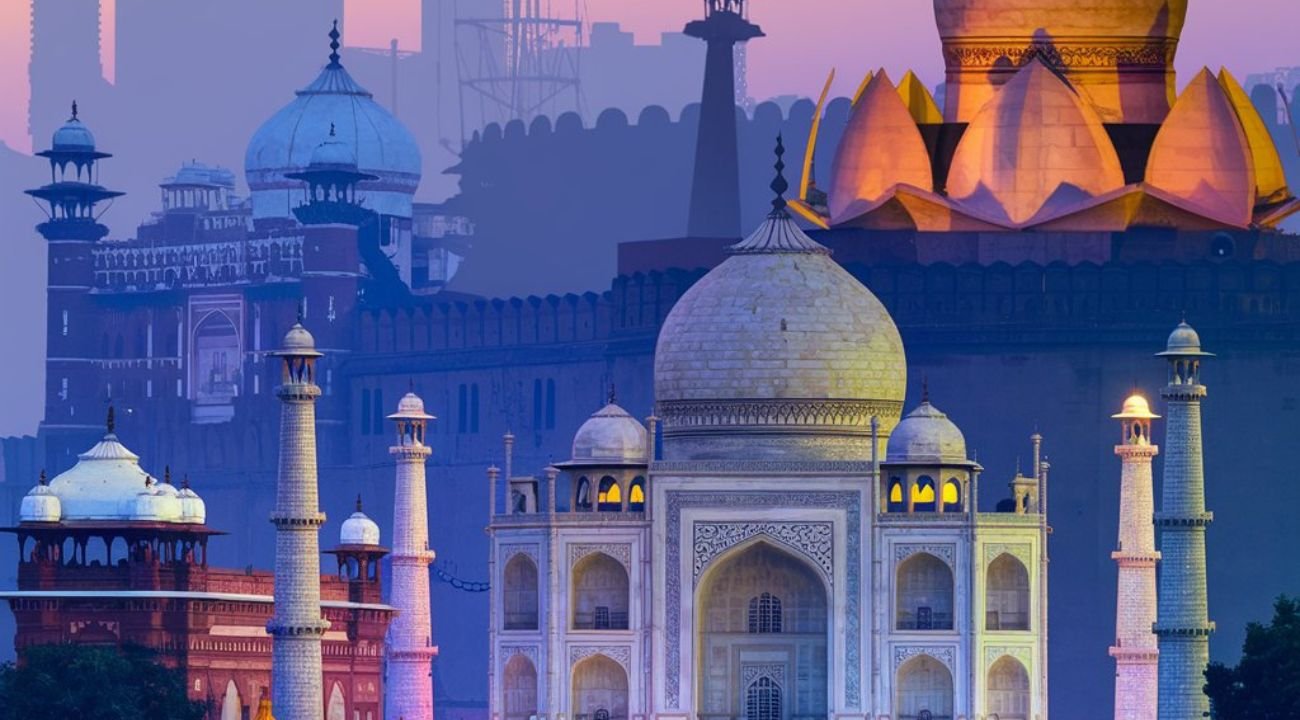
Ranthambore Fort

Tourist Attraction in Ranthambore

Overview

Tucked deep inside Ranthambore National Park in Rajasthan, India, Ranthambore Fort is where epic battles, royal grandeur, and raw nature collide. Sitting atop a rugged hill, this ancient fortress isn’t just another historical monument—it’s a living, breathing relic surrounded by lush jungle, home to tigers, temples, and timeless tales. For travelers looking to combine culture with adventure, Ranthambore Fort is a bucket-list-worthy destination.

Gate to the Ranthambore Tiger Reserve
 

A Glimpse into the Past: A Fortress of Legends

Ranthambore Fort dates back as early as the 5th century, with much of its known history shaped by the Chauhan dynasty in the 10th century. Built to dominate trade routes and defend against invaders, the fort’s location—700 feet above the plains—made it virtually untouchable. Over centuries, it became a hot prize in India’s game of thrones, changing hands between the Chauhans, Delhi Sultans, Mughals, Mewar rulers, and eventually the Jaipur royal family.

One of the most dramatic episodes in its history was the siege by Alauddin Khalji in 1301 AD, ending in a fierce battle and a tragic act of jauhar, where royal women, led by Queen Rangadevi, chose death over dishonor. This tale of sacrifice has echoed through generations, adding layers of romance and sorrow to the fort’s walls.

By the 18th century, the Jaipur royals turned the surrounding forest into their private hunting grounds. Later, this wilderness was preserved and became the Ranthambore National Park we know today.

The Architecture: Raw, Rugged, and Regal

Ranthambore Fort isn’t just big—it’s colossal. The massive stone walls, seven heavy-duty gateways, and ancient defense systems were built to withstand the toughest enemies. Walking through the fort today feels like stepping into a medieval fortress with a serious edge.

Here’s what not to miss:

  • Trinetra Ganesh Temple: One of the fort’s biggest draws, this temple is dedicated to Lord Ganesha and is one-of-a-kind with its three-eyed idol. Devotees from all over India send wedding invites here, believing the deity’s blessings are essential.
  • Jogi Mahal: Overlooking Padam Talao (Ranthambore’s largest lake), this historic guesthouse was once a royal hunting lodge. It’s not open for overnight stays, but its scenic vibes are a photo-op dream.
  • Battis Khamba Chhatri (32-Pillared Cenotaph): This stunning structure shows off classic Rajput architecture and offers a quiet space to soak in the views.
  • Hammir Court and Royal Palaces: These ruins—especially Hammir Badi Kachahari and Badal Mahal—tell tales of royal courts, drama, and strategy.
  • Temples and Shrines: There are ancient shrines for Shiva, Ramlalaji, and Jain deities like Lord Sumatinath and Lord Sambhavanath. The blend of faiths is a testimony to the fort’s inclusive past.
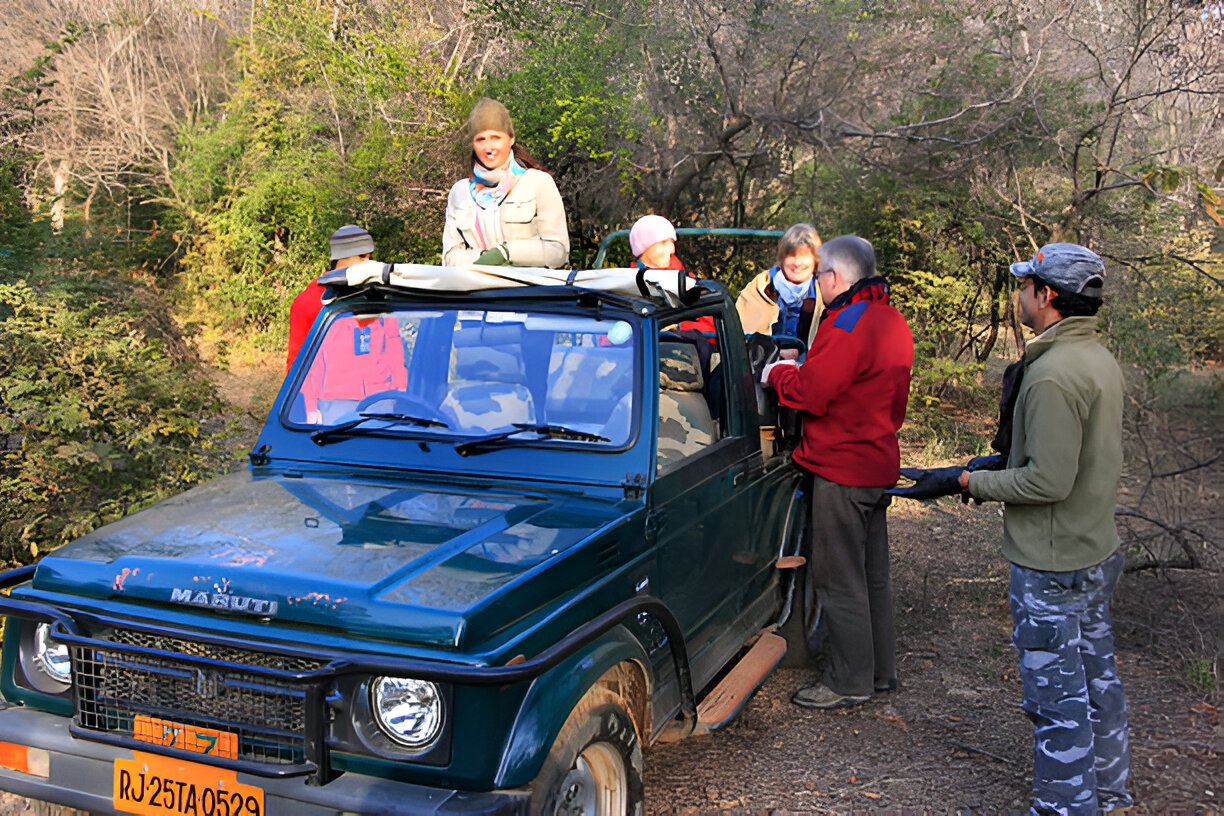
Tourists going on a tiger safari, Ranthambore National Park, Ind stock photo
 

Nature Meets History

What makes Ranthambore Fort truly next-level is its wild surroundings. It’s the only fort in India that shares its backyard with a national park full of tigers, leopards, sloth bears, and more. From the fort’s ramparts, you get jaw-dropping views of Padam Talao, Malik Talao, and the sprawling forests below—ideal for snapping photos or spotting wildlife.

Inside the fort, don’t be surprised if you see langurs swinging through the trees or peacocks strutting past temple steps. The vibe here is a surreal mix of sacred silence and jungle calls.

How to Reach

Getting to Ranthambore Fort is pretty straightforward, even if you’re flying in from the States.

By Air

  • Closest Airport: Jaipur International Airport (JAI), about 100 miles (160 km) from the fort.
  • From Jaipur, you can catch a train, hire a private cab, or book a group tour to Sawai Madhopur.

By Train

  • Sawai Madhopur Railway Station (SWM) is the main rail hub and is well-connected to major Indian cities like Delhi, Mumbai, and Jaipur.
  • From the station, it’s about a 15-20 minute drive to the park entrance.

By Road

  • You can drive or hire a car from Jaipur (3-4 hours), Delhi (7-8 hours), or Agra (6 hours). The roads are decent, and the journey itself is a scenic ride through rural Rajasthan.

Local Access

  • The fort is located inside Ranthambore National Park, and you’ll need to park near the base and hike up a short trail (around 20–30 minutes). The path is safe and well-worn, but wear good shoes—there are stairs and uneven surfaces.
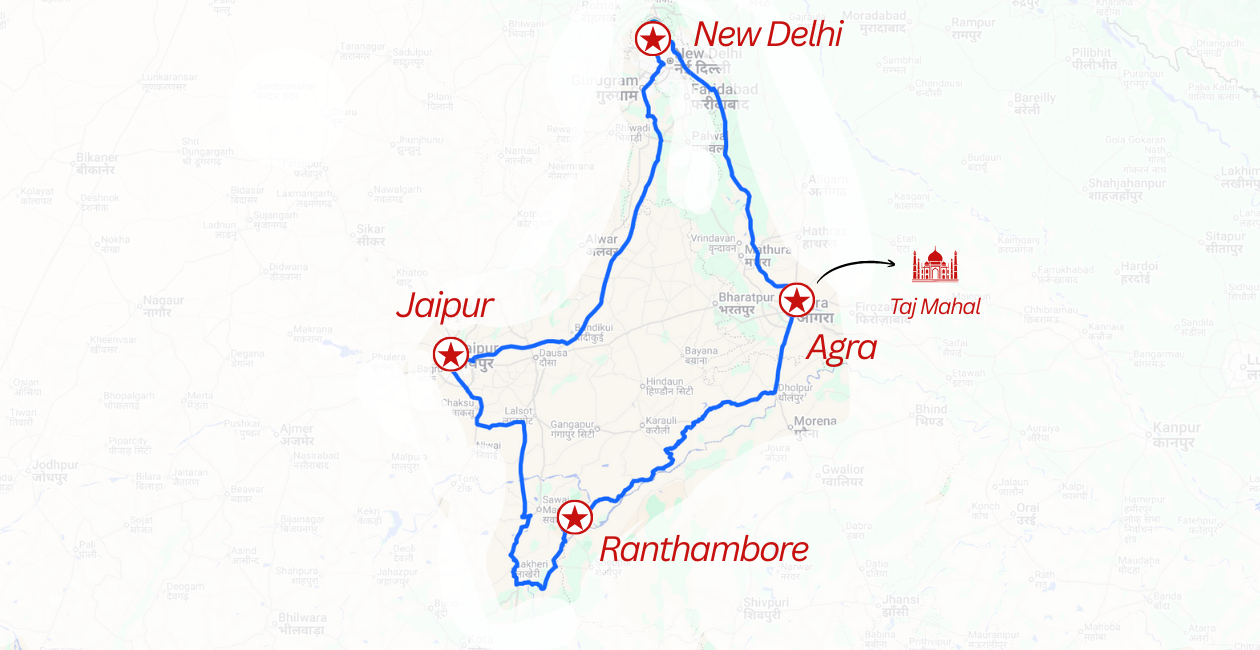
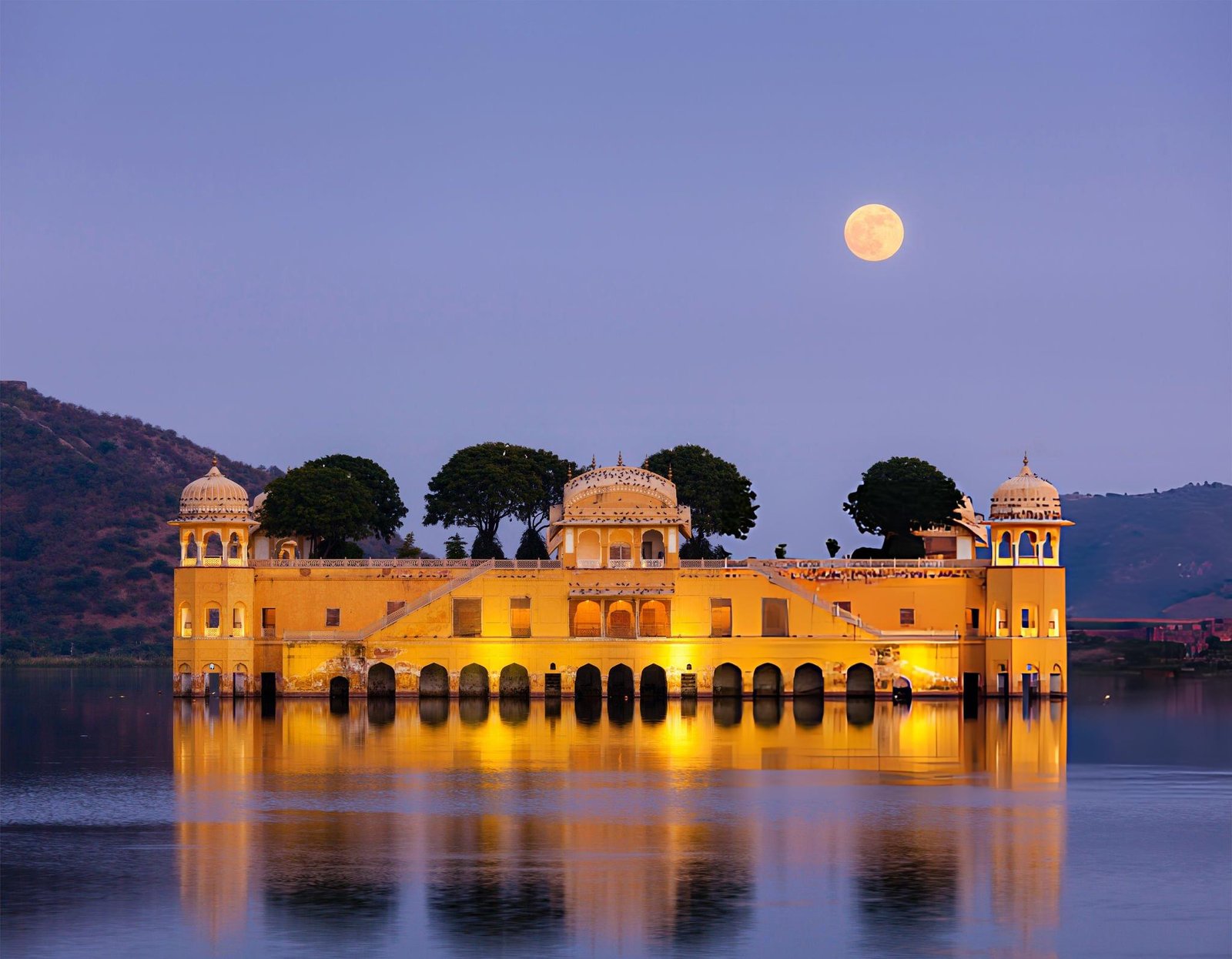
Other Popular Tourist Attractions in

Ranthambore Tour Packages

FAQ About Ranthambore Fort

All
Basic Tour Packages
Comfort Tours
Golden Triangle Tours
Group tour
Premium Day Tours
Rajasthan Tours
Same Day Holiday Tour Packages
Taj Mahal Tour Packages
Women Special
 Where is Ranthambore located?
 Where is Ranthambore located?
Ranthambore National Park is located in the Sawai Madhopur district of southeastern Rajasthan, India. It’s about 108 miles (175 km) from Jaipur, the capital of Rajasthan. This world-famous wildlife reserve is a must-visit for thrill-seekers, nature lovers, and history buffs alike. Nestled in the heart of Rajasthan, Ranthambore offers a unique blend of adventure, history, and stunning landscapes, making it a top destination for travelers. Where Exactly is Ranthambore? This former royal hunting ground now serves as a sanctuary for Bengal tigers, leopards, marsh crocodiles, and a variety of exotic bird species. One of its key highlights is the Ranthambore Fort, a 10th-century marvel perched on a hill, providing panoramic views of the park. Another iconic landmark is Padam Talao Lake, famous for its stunning water lilies and frequent tiger sightings. How to Get to Ranthambore You’ve decided to explore Ranthambore—awesome choice! Now, let’s break down the best ways to reach this tiger...
Can I book a tour from the USA?
Absolutely! If you’re chilling in the USA and dreaming about an epic adventure in India, booking a tour is super easy. Whether you’re eyeing a Same Day Agra Tour to witness the majestic Taj Mahal or planning a full-fledged Golden Triangle Tour (Delhi, Agra, Jaipur), we’ve got you covered. From flights and hotels to guides and transport, we handle everything so you can show up and soak in the experience. Now, let’s break it down and make this happen! Step 1: Pick Your Perfect Tour Package We know every traveler is different—some love history, some are into architecture, and others want a stress-free getaway. We offer many tour packages tailored to fit every explorer type. Here are some of our top-selling options: Golden Triangle Tour – The classic India tour covers Delhi, Agra, and Jaipur, giving you a perfect mix of history, culture, and stunning architecture. (Yes, you’ll see the Taj Mahal!) Rajasthan Tour – Wanna explore India’s royal side?...
Where should I stay in Ranthambore?
If you’re planning a trip to Ranthambore and wondering where to stay, you’ve got plenty of great options. Whether you’re looking for a high-end luxury experience, a unique tented safari, or a comfortable resort near the national park, Ranthambore has something for every traveler. Luxury Stays in Ranthambore If you’re all about pampering yourself, these luxury accommodations will make your Ranthambore trip extra special. Aman-I-Khas Aman-i-Khas is the epitome of luxury in the wilderness. This high-end retreat offers exclusive tented accommodations, blending elegance with nature. Each tent comes with air conditioning, a luxurious bath, and world-class service. Guests can enjoy outdoor seating areas with a fire pit, surrounded by tranquil greenery. The resort also provides a spa, fine dining, and a serene ambiance perfect for unwinding after a thrilling jungle safari. Suján Sher Bagh This luxurious safari-style camp lets you experience the wild in comfort. Staying in...
What should I wear for a safari?
If you’re heading out on a safari, you might be wondering: What should I wear? The right outfit can make or break your experience. You want to stay comfortable, blend in with nature, and be prepared for changing weather conditions. Whether you’re on a thrilling game drive, a guided walking safari, or just chilling at the lodge, here’s your ultimate safari style guide. Safari Clothing: The Basics The golden rule of safari fashion? Keep it neutral and layer up. Choose clothes in earthy tones like khaki, olive green, and brown. Bright colors can scare animals away, and dark colors (like black and navy) attract insects like mosquitoes. Dressing in layers helps you stay warm in the cool mornings and evenings while staying cool during the heat of the day. Must-Have Safari Outfits Utility Pants (Green & Beige) – Lightweight, breathable, and perfect for bush walks. Shorts (for hot afternoons) – A comfortable option when you’re not on a walking safari. Utility-Style...
What festivals are celebrated in Ranthambore?
If you’re wondering what festivals are celebrated in Ranthambore, you’re in for a treat. Ranthambore isn’t just about its famous national park and tiger safaris; it’s also a cultural hotspot where vibrant festivals bring people together in the most colorful and joyful ways. Whether you’re into grand religious celebrations, lively fairs, or traditional arts, Ranthambore has it all. Ganesh Chaturthi – The Heartbeat of Ranthambore Let’s start with the big one—Ganesh Chaturthi. This isn’t just a festival here; it’s an emotion. The Trinetra Ganesh Temple in Ranthambore is one of the most famous temples in Rajasthan, and it gets packed during this 10-day celebration. People believe that before sending out wedding invitations, they should first invite Lord Ganesha here. That’s how deeply connected the locals are to this temple. Devotees sing devotional songs, offer sweets, and celebrate with unmatched enthusiasm. Diwali – The Festival of Lights You’ve probably heard of Diwali, but...
What’s so special about the Ranthambore Fort?
Ranthambore Fort is a historic gem sitting inside Ranthambore National Park, offering stunning views, rich history, and spiritual significance. Built by the Chauhans in the 8th century, it has witnessed major battles and changed hands between Rajput and Mughal rulers. The fort features seven grand gates, towering stone walls, and historic ruins like Hammir Court and Bada Mahal.
What’s the wildlife photography scene like in Ranthambore?
If you’re a wildlife photography enthusiast, Ranthambore National Park should be high on your bucket list. Nestled in Rajasthan, this incredible reserve is world-famous for its tiger population, diverse landscapes, and rich biodiversity. Whether you’re chasing the perfect tiger shot or capturing the serene beauty of the jungle, Ranthambore is a paradise for photographers. What Makes Ranthambore a Top Spot for Photography? Ranthambore isn’t just about tigers (though they are the stars of the show). The park is a dream location for capturing: Tigers in Their Natural Habitat: Ranthambore is one of the best places in the world to photograph Bengal tigers. With a little luck and patience, you can get stunning close-ups of these majestic cats in action. Sambar Deer: If you want the best photos of Sambar deer, Ranthambore is unmatched. The light and setting here make for some amazing wildlife shots. Bird Photography: If you’re a bird lover, you’ll find...
 What can I see in Ranthambore National Park?
 What can I see in Ranthambore National Park?
If you’re a wildlife enthusiast or just someone looking for an unforgettable adventure in India, Ranthambore National Park should be high on your list. This place isn’t just another wildlife reserve; it’s a full-on experience packed with jaw-dropping landscapes, ancient ruins, and, of course, the majestic Royal Bengal Tigers. But tigers aren’t the only stars of the show here—this park is bursting with diverse wildlife, historic sites, and breathtaking scenery. Let’s dive into what you can see when you visit Ranthambore National Park. The Legendary Royal Bengal Tigers First things first—tigers! Ranthambore is famous for being one of the best places in the world to spot the Royal Bengal Tiger in its natural habitat. Unlike other tiger reserves where these big cats stay deep in the jungle, the ones in Ranthambore often roam around open meadows and near ancient ruins, making it easier for visitors to catch a glimpse. If you’re lucky, you might even see one walking casually...
Can I book a tiger safari in Ranthambore?
Oh, absolutely! You can book a tiger safari in Ranthambore National Park, and trust me, it’s one of the wildest, most thrilling experiences you’ll ever have. But, heads up—these safaris get sold out fast, especially during peak season. So, if you’re dreaming of spotting a big cat in its natural habitat, you better plan ahead! Let me walk you through the process. How to Book a Ranthambore Tiger Safari There are a few ways to secure your spot for a safari, and each has its pros and cons. You can either book online, go for a last-minute Tatkal safari, or let a travel agency handle everything for you. 1. Online Booking (Best for Planners) Booking online is the easiest and most recommended way to guarantee your safari in Ranthambore. Here’s how you do it: Visit the official Ranthambore Forest Department website or book through an authorized travel agency. Select your preferred date, time, and safari zone (there are 10 zones, but more on that later). Fill in your personal...
Why should I visit Ranthambore?
Ranthambore National Park is a must-visit for wildlife lovers, but it’s more than just tiger sightings. With stunning landscapes, ancient ruins, and diverse wildlife, it offers a rich experience. However, government mismanagement, unpredictable safari timings, and a declining tiger population can impact expectations. Opt for a jeep safari over a canter, avoid hotel cabs, and book safaris via a trusted travel agency for a hassle-free adventure. Visiting during summers boosts tiger-spotting chances, while winters are great for photography and birdwatching. Despite some drawbacks, Ranthambore remains a fantastic wildlife destination worth exploring—just plan smartly for the best experience!