Ranthambore National Park

Tourist Attraction in Ranthambore

Overview

Ranthambore National Park is one of India’s top wildlife destinations, and it’s easy to see why. Nestled in the southeastern corner of Rajasthan, this legendary park is a stunning fusion of rugged natural beauty, ancient ruins, and the unmatched thrill of spotting wild tigers in their natural habitat. For travelers from the U.S. seeking an authentic and exhilarating safari experience, Ranthambore is a must-visit.

Where Nature Meets History

Covering a vast 1,334 square kilometers (about 515 square miles), Ranthambore National Park sits at the crossroads of the Aravalli and Vindhya hill ranges. It’s flanked by two rivers—the Banas to the north and the Chambal to the south—which supply vital water sources for the ecosystem.

What sets Ranthambore apart from other parks is its incredible backdrop: the centuries-old Ranthambore Fort, perched high on a hill overlooking the forest. This 10th-century fortress, now a UNESCO World Heritage Site, adds a surreal medieval flair to your wildlife adventure. The park is peppered with historic ruins, old temples, and crumbling stone palaces—making it feel like you’re on the set of a movie.

The Wild Residents of Ranthambore
tres bengala tigres en frente de turista de 520373860 735d4cd8c3b147d98cce1f158d0eefab

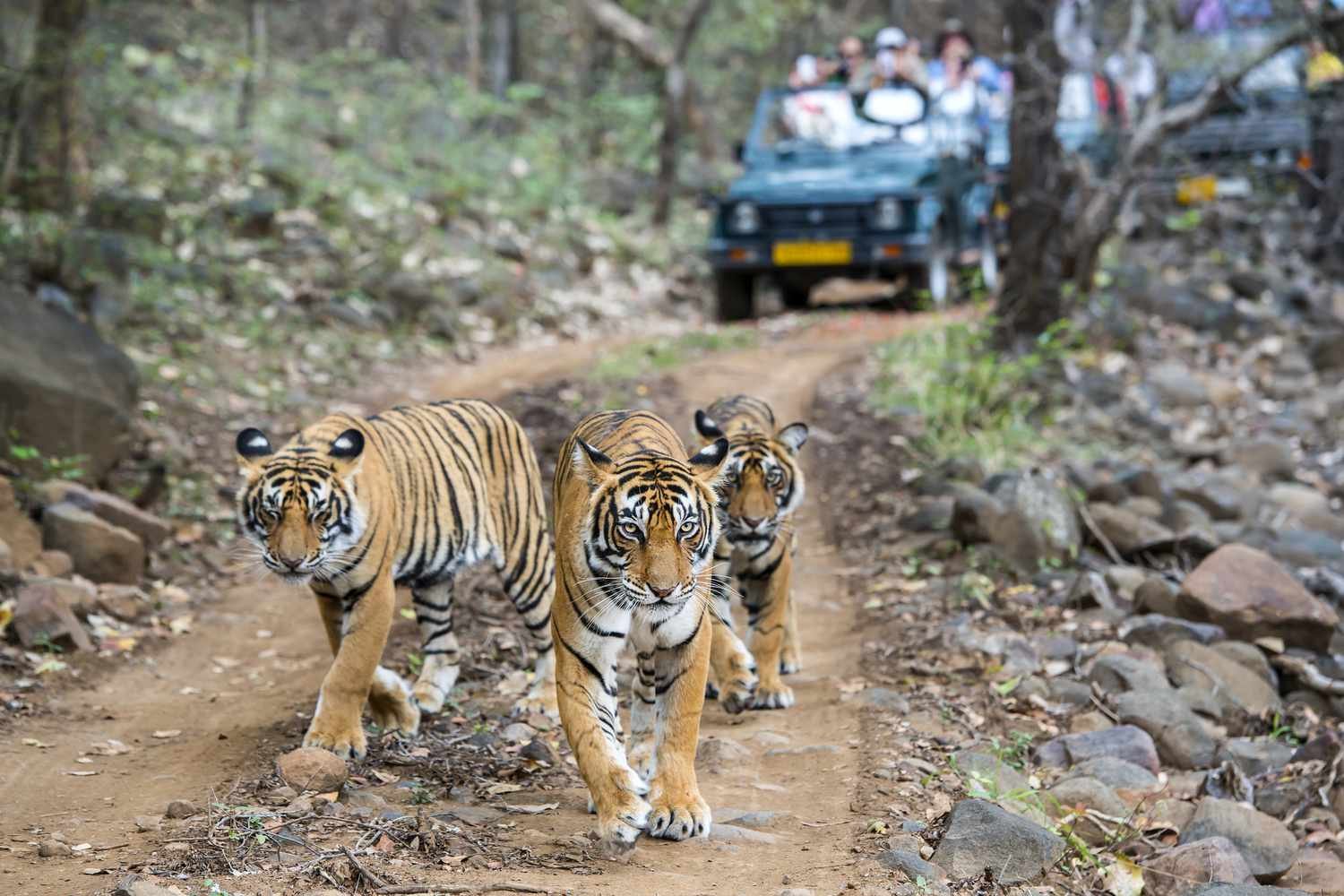
Tigers: Let’s be real—this park is all about the tigers. Ranthambore is one of the best places in the world to see the majestic Royal Bengal Tiger in the wild. And unlike in many other reserves, the tigers here are known for their comfort around humans, making daytime sightings more frequent.

Some tigers, like the legendary tigress Machali (T-16), have become international icons. As of the latest count in 2022, there are about 52 tigers roaming the reserve.

Other Wildlife: Beyond the big cats, the park is teeming with life:

  • Leopards (especially in the hilly zones like Kachida Valley)
  • Sloth bears
  • Sambar deer, spotted deer (chital), nilgai, and chinkara form the primary prey base
  • Striped hyenas, jackals, jungle cats, and even caracals (if you’re lucky!)
  • Marsh crocodiles, Indian pythons, and monitor lizards
  • Birdlife galore: With over 300 species, including Indian paradise flycatchers, crested serpent eagles, painted storks, and peacocks, it’s a birdwatcher’s dream

Nature, Ruins, and Lakes
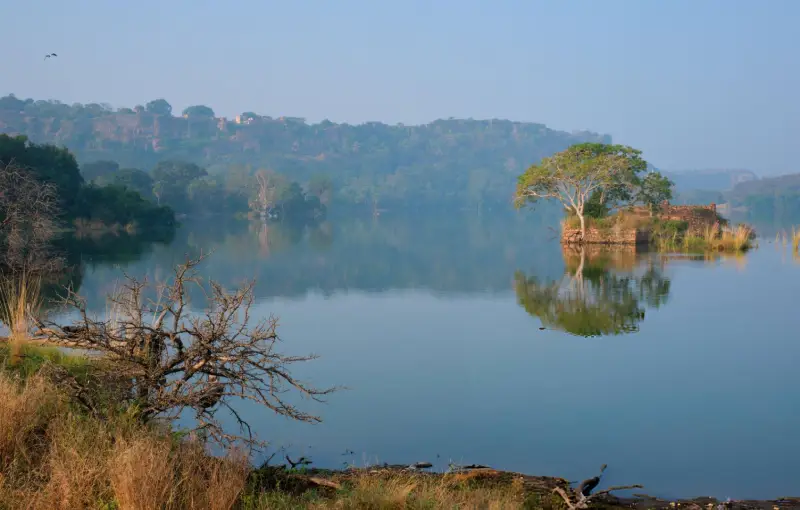
Padam Talao Lake in Ranthambore National Park during an India Group Tour on the Golden Triangle Tour with Travel With Vasco.

Ranthambore’s landscape is as diverse as its wildlife. You’ll find:

  • Dry deciduous forests, mostly dominated by the ‘Dhok’ tree (Anogeissus pendula)
  • Grassy meadows and rocky outcrops
  • Lakes and water bodies like Padam Talao, Rajbagh Talao, and Malik Talao that act as animal magnets, especially in the dry summer months

And then there’s the architectural goldmine:

  • Ranthambore Fort with temples dedicated to Ganesh, Shiva, and Ramlalaji
  • Jogi Mahal, a beautiful red sandstone hunting lodge by Padam Talao
  • Raj Bagh ruins, stone remnants of old palaces that seem pulled straight from an epic fantasy film

How to Reach

Traveling from the U.S.? Here’s how to get to Ranthambore with minimal fuss:

Step 1: Fly into India

  • Your best bet is to fly into Indira Gandhi International Airport (DEL) in New Delhi, which is well-connected to major U.S. cities like New York, San Francisco, Chicago, and Los Angeles.

Step 2: Get to Sawai Madhopur

  • By Train: From Delhi, take a train to Sawai Madhopur Railway Station—the gateway to Ranthambore. The journey takes around 5 to 6 hours and there are multiple options, including luxury trains like the Palace on Wheels.
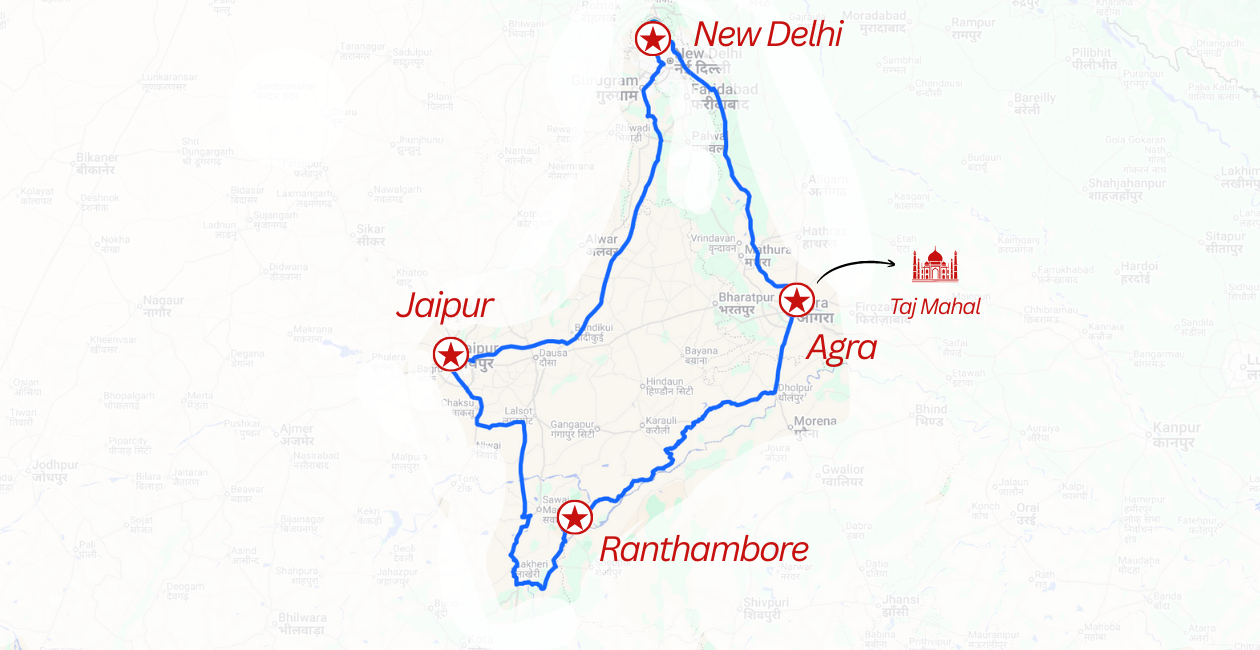
  • By Road: Hire a private car or book a cab for a road trip. It’s about a 7–8 hour drive from Delhi and around 3.5–4 hours from Jaipur (the capital of Rajasthan).
  • By Air: The nearest airport is in Jaipur (JAI). From there, it’s a scenic 3.5-hour drive to Ranthambore.
Other Popular Tourist Attractions in

Ranthambore Tour Packages

FAQ About Ranthambore National Park

All
Basic Tour Packages
Comfort Tours
Golden Triangle Tours
Group tour
Premium Day Tours
Rajasthan Tours
Same Day Holiday Tour Packages
Taj Mahal Tour Packages
Women Special
Are there any unique experiences in Ranthambore?
Absolutely! Ranthambore National Park isn’t just another wildlife sanctuary—it’s a paradise for nature lovers, adventure seekers, and history buffs alike. Whether you’re craving a thrilling jungle safari, a deep dive into history, or a chance to capture some of the most majestic wildlife on camera, this place has it all. So, what makes Ranthambore truly special? Let’s break it down. 1. Jeep & Canter Safaris – The Ultimate Wildlife Experience One of the most exhilarating experiences in Ranthambore is going on a jeep or canter safari. Imagine rolling through dense forests, open grasslands, and ancient ruins while scanning the landscape for the mighty Royal Bengal Tiger. The park’s diverse ecosystem makes it one of the best spots in India for wildlife sightings. Jeep Safari: If you prefer a more exclusive and up-close experience, book a 6-seater open jeep. This is ideal for photographers and wildlife enthusiasts who want to take their time observing the animals in their natural...
 Where is Ranthambore located?
 Where is Ranthambore located?
Ranthambore National Park is located in the Sawai Madhopur district of southeastern Rajasthan, India. It’s about 108 miles (175 km) from Jaipur, the capital of Rajasthan. This world-famous wildlife reserve is a must-visit for thrill-seekers, nature lovers, and history buffs alike. Nestled in the heart of Rajasthan, Ranthambore offers a unique blend of adventure, history, and stunning landscapes, making it a top destination for travelers. Where Exactly is Ranthambore? This former royal hunting ground now serves as a sanctuary for Bengal tigers, leopards, marsh crocodiles, and a variety of exotic bird species. One of its key highlights is the Ranthambore Fort, a 10th-century marvel perched on a hill, providing panoramic views of the park. Another iconic landmark is Padam Talao Lake, famous for its stunning water lilies and frequent tiger sightings. How to Get to Ranthambore You’ve decided to explore Ranthambore—awesome choice! Now, let’s break down the best ways to reach this tiger...
Where should I stay in Ranthambore?
If you’re planning a trip to Ranthambore and wondering where to stay, you’ve got plenty of great options. Whether you’re looking for a high-end luxury experience, a unique tented safari, or a comfortable resort near the national park, Ranthambore has something for every traveler. Luxury Stays in Ranthambore If you’re all about pampering yourself, these luxury accommodations will make your Ranthambore trip extra special. Aman-I-Khas Aman-i-Khas is the epitome of luxury in the wilderness. This high-end retreat offers exclusive tented accommodations, blending elegance with nature. Each tent comes with air conditioning, a luxurious bath, and world-class service. Guests can enjoy outdoor seating areas with a fire pit, surrounded by tranquil greenery. The resort also provides a spa, fine dining, and a serene ambiance perfect for unwinding after a thrilling jungle safari. Suján Sher Bagh This luxurious safari-style camp lets you experience the wild in comfort. Staying in...
What’s the best time to visit Ranthambore?
So, you’re thinking about visiting Ranthambore National Park? Great choice! This place is one of the best spots in India for seeing majestic Bengal tigers in the wild. But hold on—before you pack your bags and book that safari, let’s talk about the best time to visit Ranthambore to make the most of your trip. The Prime Time: October to April If you’re looking for the sweet spot when it comes to weather and wildlife sightings, October to April is your best bet. This is when the park is at its most comfortable, making it perfect for safaris, photography, and just soaking in the wilderness. Why is this period the best? Pleasant weather: The temperature ranges from 10°C to 30°C (50°F to 86°F), making it perfect for those early morning and late afternoon safaris. Active wildlife: The cooler months mean that animals, including tigers, are out and about, soaking up the winter sun instead of hiding in dense forests. Better overall experience: No extreme heat, no heavy...
Is Ranthambore safe for tourists?
Oh, absolutely! If you’re thinking about heading to Ranthambore for a jungle safari, you’re in for an epic adventure. And let me put your mind at ease right away—Ranthambore National Park is safe for tourists. Of course, like any other wildlife reserve, you gotta play by the rules to make sure you have a smooth, problem-free experience. But don’t stress—I’ll break it all down for you. Stick to the Safari Zones Ranthambore is divided into different safari zones, and these are the areas where tourists are allowed to explore. These zones are carefully managed to make sure visitors can enjoy the thrill of spotting wild animals while also keeping safety a priority. So, rule number one: Always stay in the designated safari areas. Wandering off into restricted zones? Big no-no. Not only is it illegal, but you don’t want to find yourself face-to-face with a tiger without a vehicle between you two! Listen to Your Safari Guide Your safari guide is your best friend out there....
Why should I visit Ranthambore?
Ranthambore National Park is a must-visit for wildlife lovers, but it’s more than just tiger sightings. With stunning landscapes, ancient ruins, and diverse wildlife, it offers a rich experience. However, government mismanagement, unpredictable safari timings, and a declining tiger population can impact expectations. Opt for a jeep safari over a canter, avoid hotel cabs, and book safaris via a trusted travel agency for a hassle-free adventure. Visiting during summers boosts tiger-spotting chances, while winters are great for photography and birdwatching. Despite some drawbacks, Ranthambore remains a fantastic wildlife destination worth exploring—just plan smartly for the best experience!
 How can I book a Ranthambore tour?
 How can I book a Ranthambore tour?
For nature lovers and wildlife enthusiasts, Ranthambore National Park is a dream destination. Nestled in the heart of Rajasthan, this renowned wildlife sanctuary is famous for its majestic Bengal tigers and breathtaking landscapes. Whether you seek adventure or tranquility, a trip to Ranthambore offers a thrilling jungle safari, diverse wildlife, and historical marvels like the Ranthambore Fort. If you’re planning a visit, here’s how you can easily book a Ranthambore tour with us. Booking a Ranthambore Tour with Us Booking your Ranthambore tour is simple and hassle-free. Follow these steps to embark on an unforgettable journey: Choose a Tour Package: We offer multiple tour packages that include a visit to Ranthambore, such as: Golden Triangle Tour with Ranthambore (Delhi, Agra, Jaipur, Ranthambore) Rajasthan Tour with Ranthambore (Jaipur, Udaipur, Ranthambore, Jodhpur) Agra and Ranthambore Tour Customizable itineraries based on your preference Fill Up the Booking...
How long should I stay in Ranthambore?
Alright, so you’re planning a trip to Ranthambore and wondering how many days you should spend there? Well, the answer isn’t as simple as you might think because it depends on a few factors—your love for wildlife, the season you’re visiting, and how much time you’ve got. But don’t worry, I got you! Let’s break it down. The Ideal Duration for a Ranthambore Trip For the average traveler who wants a balanced wildlife experience, 2-3 nights should be just right. This gives you enough time to go on 4-5 safaris, increasing your chances of spotting the majestic Bengal tiger and other wild animals. Why 2 Nights? A 2-night stay allows you to do around 4 safaris, which is usually enough to experience the thrill of Ranthambore without feeling rushed. Typically, the safaris are conducted in the morning and evening, so within two days, you can cover different zones of the park. However, if you’re a hardcore wildlife enthusiast, staying longer won’t hurt! Some folks...
What’s the wildlife photography scene like in Ranthambore?
If you’re a wildlife photography enthusiast, Ranthambore National Park should be high on your bucket list. Nestled in Rajasthan, this incredible reserve is world-famous for its tiger population, diverse landscapes, and rich biodiversity. Whether you’re chasing the perfect tiger shot or capturing the serene beauty of the jungle, Ranthambore is a paradise for photographers. What Makes Ranthambore a Top Spot for Photography? Ranthambore isn’t just about tigers (though they are the stars of the show). The park is a dream location for capturing: Tigers in Their Natural Habitat: Ranthambore is one of the best places in the world to photograph Bengal tigers. With a little luck and patience, you can get stunning close-ups of these majestic cats in action. Sambar Deer: If you want the best photos of Sambar deer, Ranthambore is unmatched. The light and setting here make for some amazing wildlife shots. Bird Photography: If you’re a bird lover, you’ll find...
What’s a typical safari experience like?
A safari in Ranthambore National Park is an exhilarating experience, offering close encounters with majestic Bengal tigers. From spotting the legendary tigress Machli to witnessing a thrilling chase by Arrowhead, every moment in the jungle is unforgettable. The park also boasts rich heritage sites like the Ranthambore Fort and Trinetra Ganesha Temple, adding a spiritual touch to the adventure. For a seamless experience, booking through a travel agency ensures safety, expert guidance, and maximized tiger sightings. If you’re craving an unforgettable wildlife adventure, Ranthambore should be at the top of your list. Don’t wait—book your safari today!