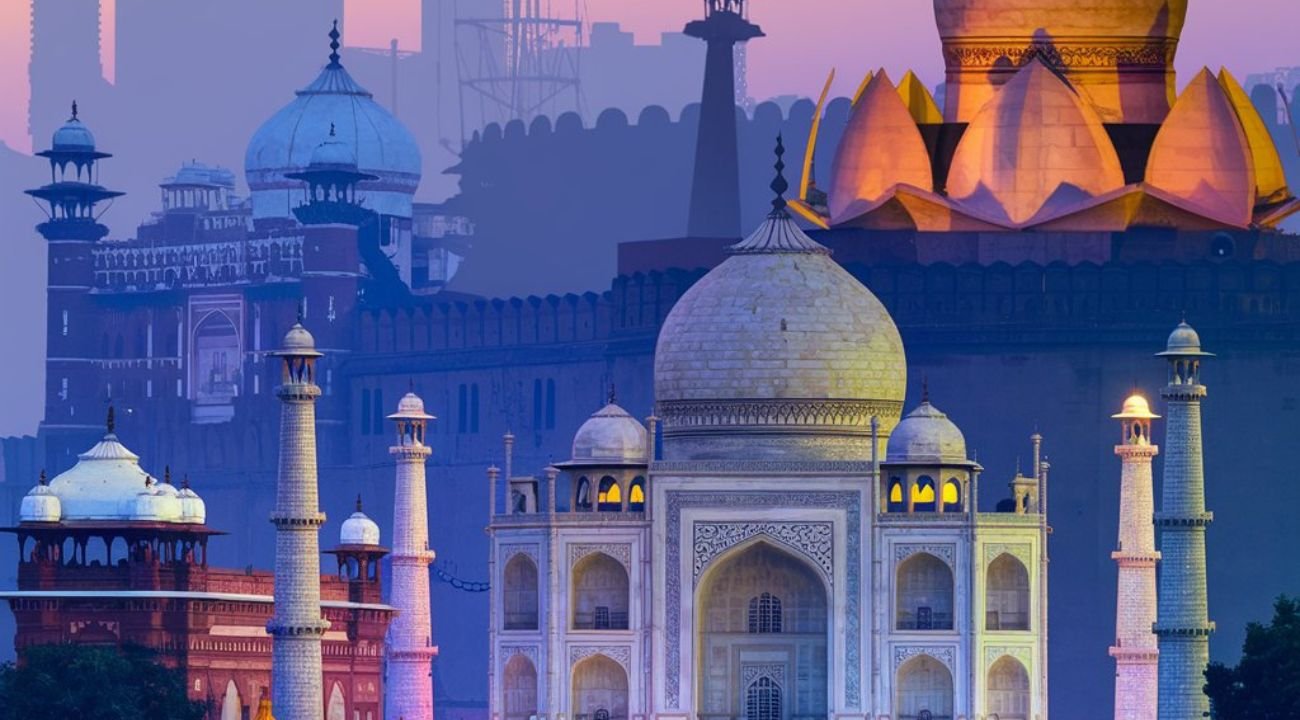
Tucked away near the bustling city of Agra — just a short drive from the world-famous Taj Mahal — lies a lesser-known, but deeply sacred site for Sikhs: Gurudwara Guru ka Taal. This historic place isn’t just a spiritual retreat, it’s a living monument to courage, sacrifice, and the fight for religious freedom.
Whether you’re a spiritual seeker, a history buff, or a curious traveler looking to explore India beyond the typical tourist path, this Gurudwara is absolutely worth the stop.
A Powerful Historical Legacy
Gurudwara Guru ka Taal holds profound importance for Sikhs across the globe. It marks the very place where Sri Guru Tegh Bahadur Ji, the ninth Sikh Guru, voluntarily surrendered to the Mughal authorities in 1675. His arrest wasn’t due to any crime, but because he took a stand — boldly and peacefully — against the forced conversion of Hindus to Islam under Emperor Aurangzeb. He chose to lay down his life to defend freedom of religion, a principle that resonates worldwide.
Before being taken to Delhi for execution, Guru Tegh Bahadur Ji was held here for nine days, in a spot now known as Bhora Sahib, which is revered by devotees who bow their heads there in deep respect.
From Reservoir to Reverence
The name “Guru ka Taal” literally means “Guru’s Reservoir,” because before this site became a Gurudwara, it was a massive rainwater reservoir built in 1610 AD during Emperor Jahangir’s reign. Its purpose? To collect rainwater for irrigation — something pretty forward-thinking for the 17th century.
The reservoir originally had twelve towers, eight of which still stand tall today, made of red sandstone and carved with intricate Mughal-era designs. These elements blend beautifully with the later Sikh-style architecture of the Gurudwara, creating a unique fusion of historical and spiritual vibes.
The current Gurudwara complex, including the prayer halls and sacred pond (sarovar), was primarily built in the 1970s, thanks to the vision and tireless efforts of Sant Baba Sadhu Singh Ji “Mauni”.
What to Expect When You Visit
- Awe-Inspiring Architecture: Expect to see a blend of Mughal and modern Sikh design — a treat for architecture and history fans alike.
- Soulful Kirtans: Spiritual hymns (kirtans) echo through the halls, creating a deeply peaceful vibe.
- Serenity & Reflection: With its green gardens, reflective pond, and quiet atmosphere, it’s an amazing place to slow down and soak in the moment.
- Community Connection: From sharing a meal in the langar to helping out with seva, it’s easy to feel part of something bigger here.
Major Events
If you’re lucky enough to visit during certain festivals, you’ll see the Gurudwara come alive with color, music, and crowds of devotees:
- Guru Tegh Bahadur’s Martyrdom Day (November/December): Honoring his supreme sacrifice.
- Guru Nanak Jayanti (October/November): Celebrating the birth of the first Sikh Guru.
- Baisakhi (April): A major Sikh holiday marking the New Year and the formation of the Khalsa.
How to Reach
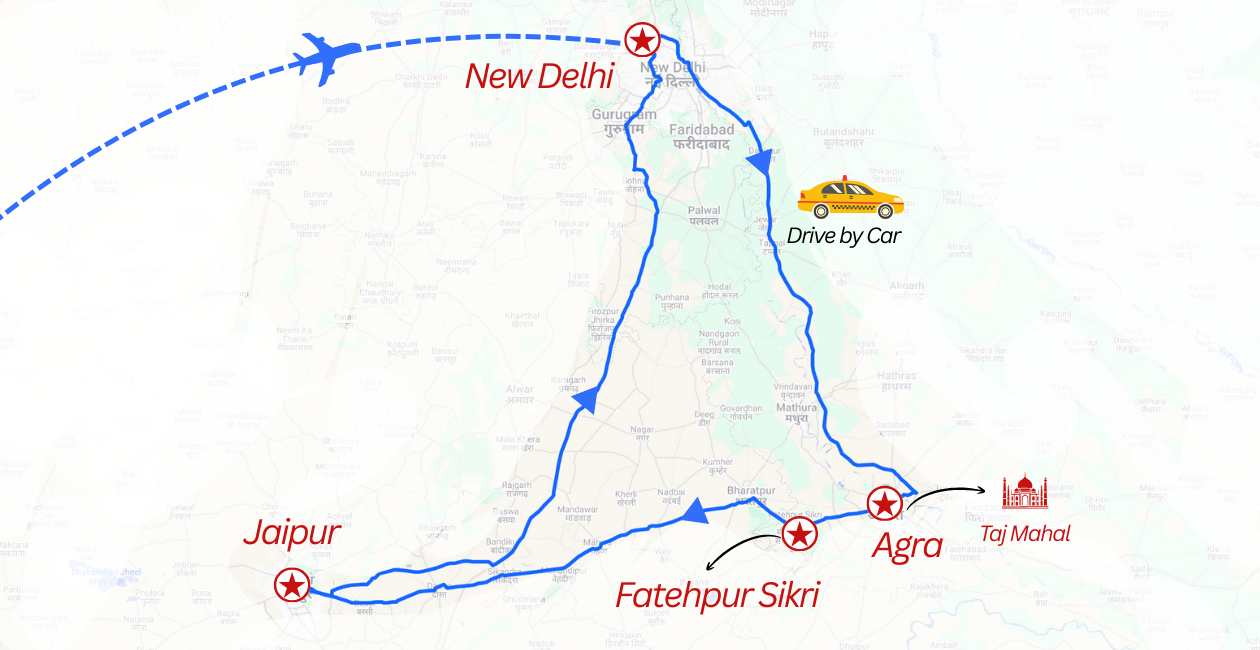
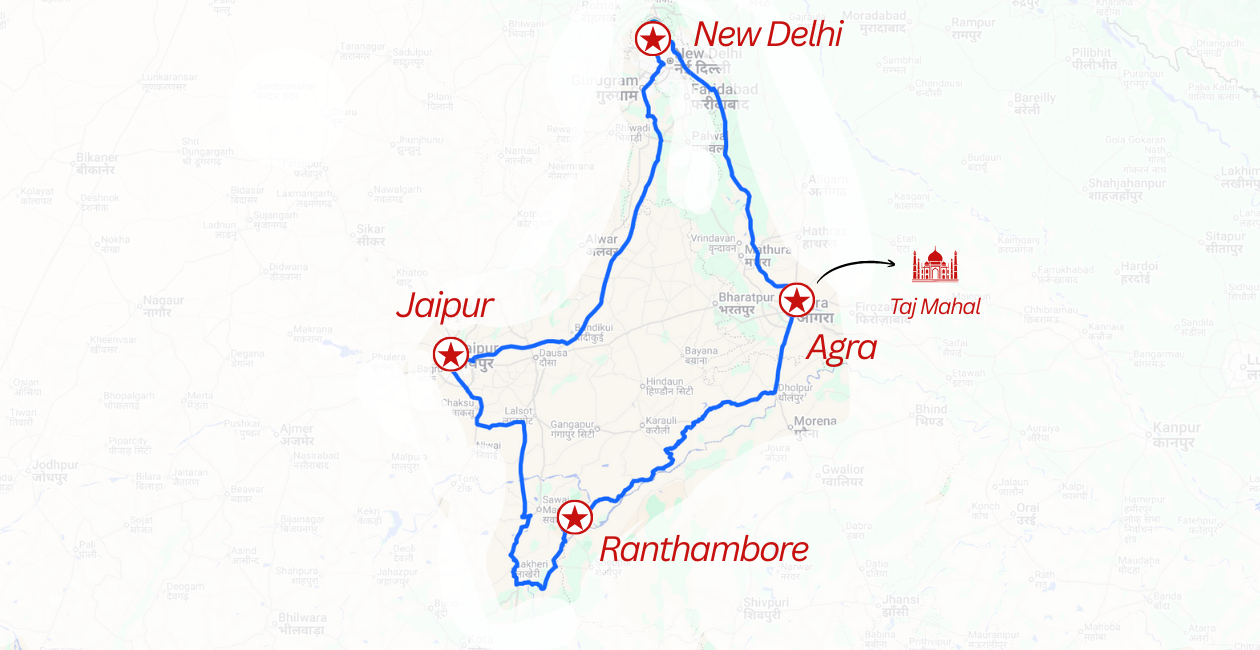
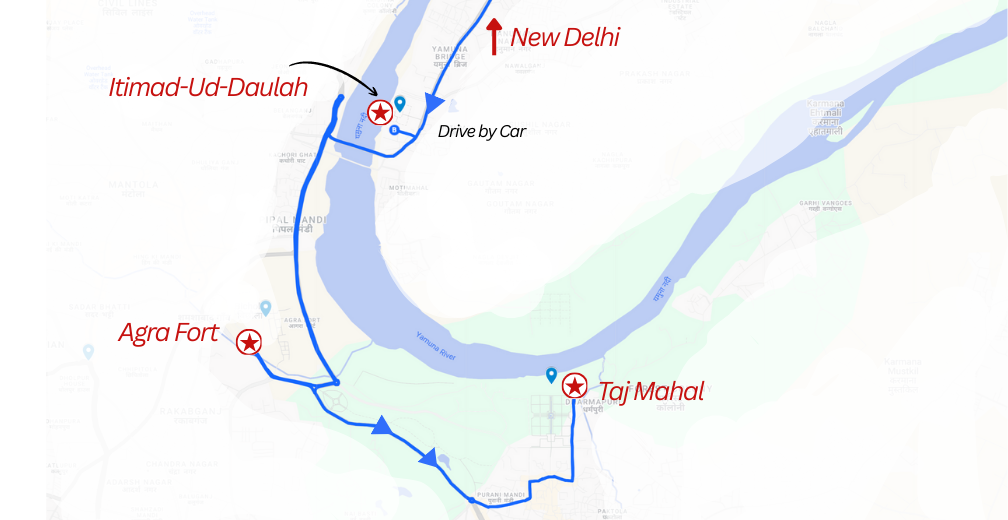
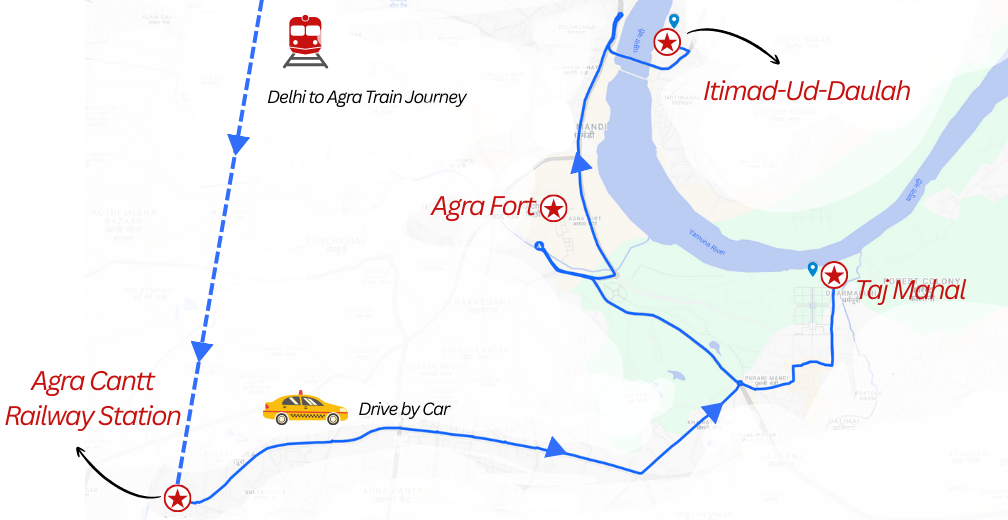
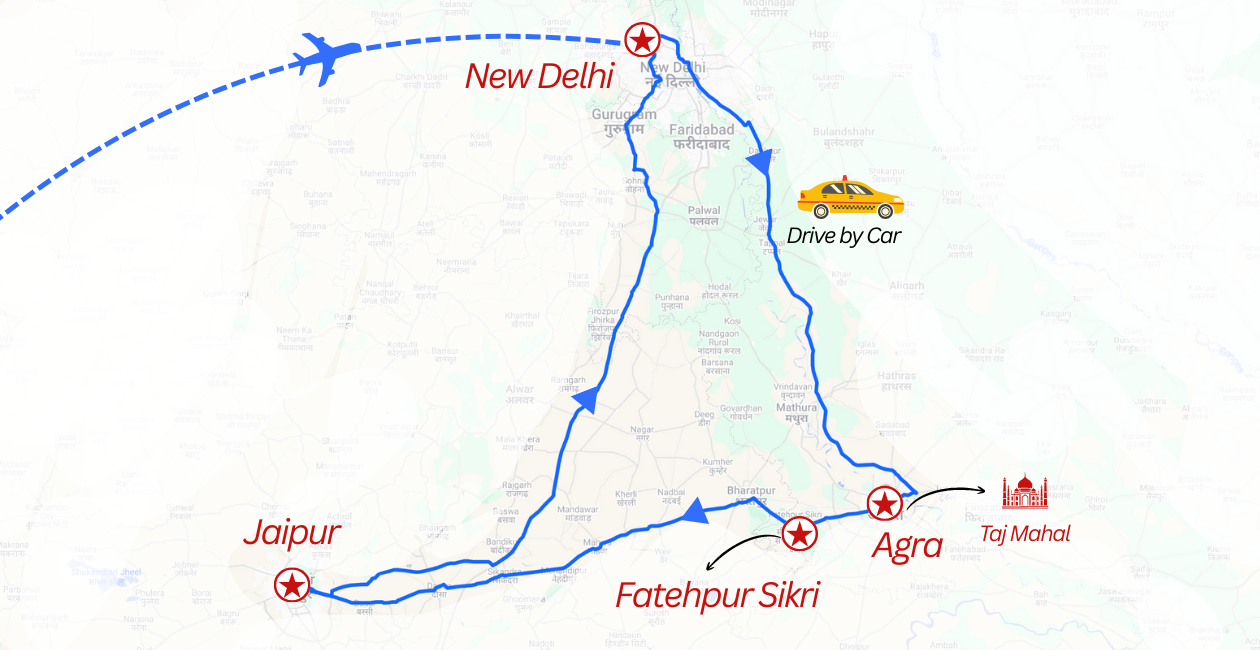
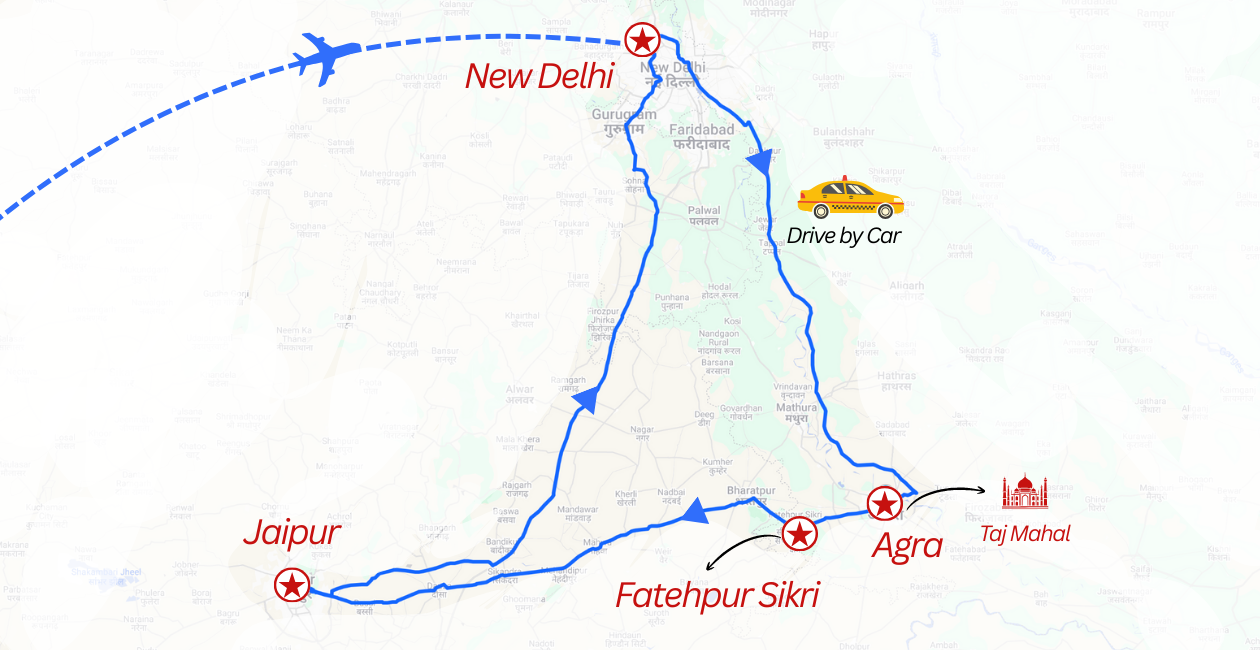
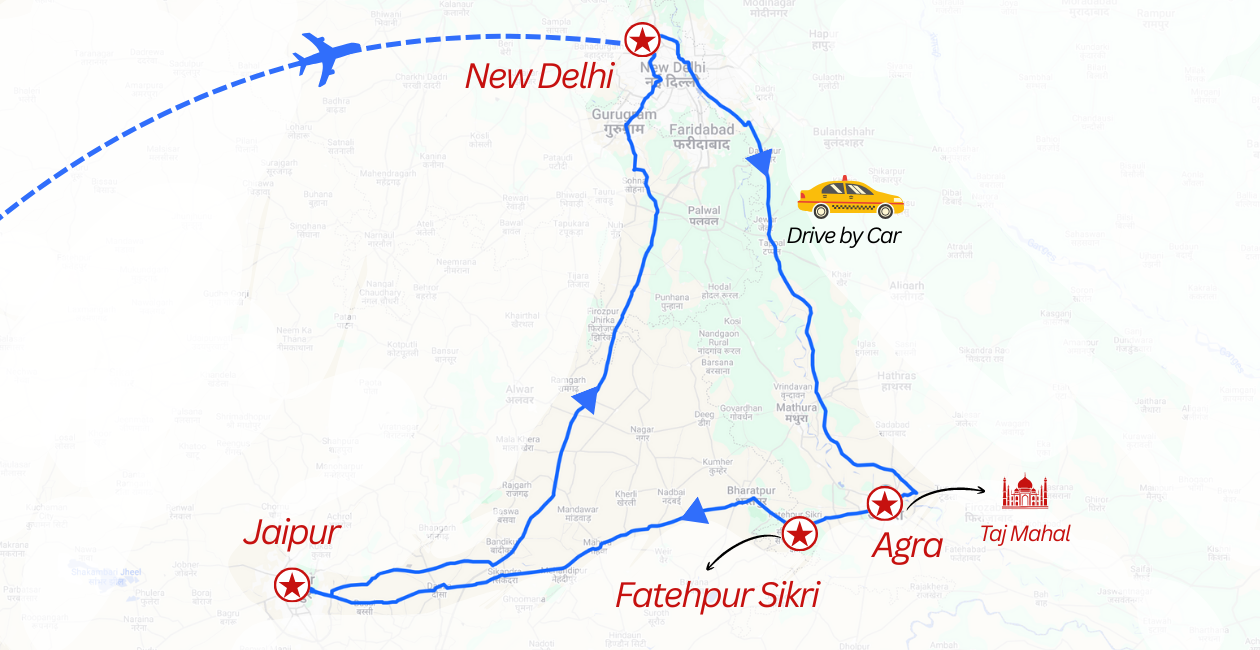
- Catch a flight to Indira Gandhi International Airport (DEL), New Delhi, which is the most convenient international hub. From there, Agra is about a 3-4 hour drive (roughly 130 miles) via the Yamuna Expressway — a smooth and scenic ride if you’re booking a car or taxi.
- Gurudwara Guru ka Taal is located in Sikandra, right on the Delhi-Agra Highway (NH-2). It’s super accessible by:
- Taxi or auto-rickshaw from anywhere in Agra.
- Local bus service.
- Nearest train station: Billochpura Railway Station (about 3 miles away).