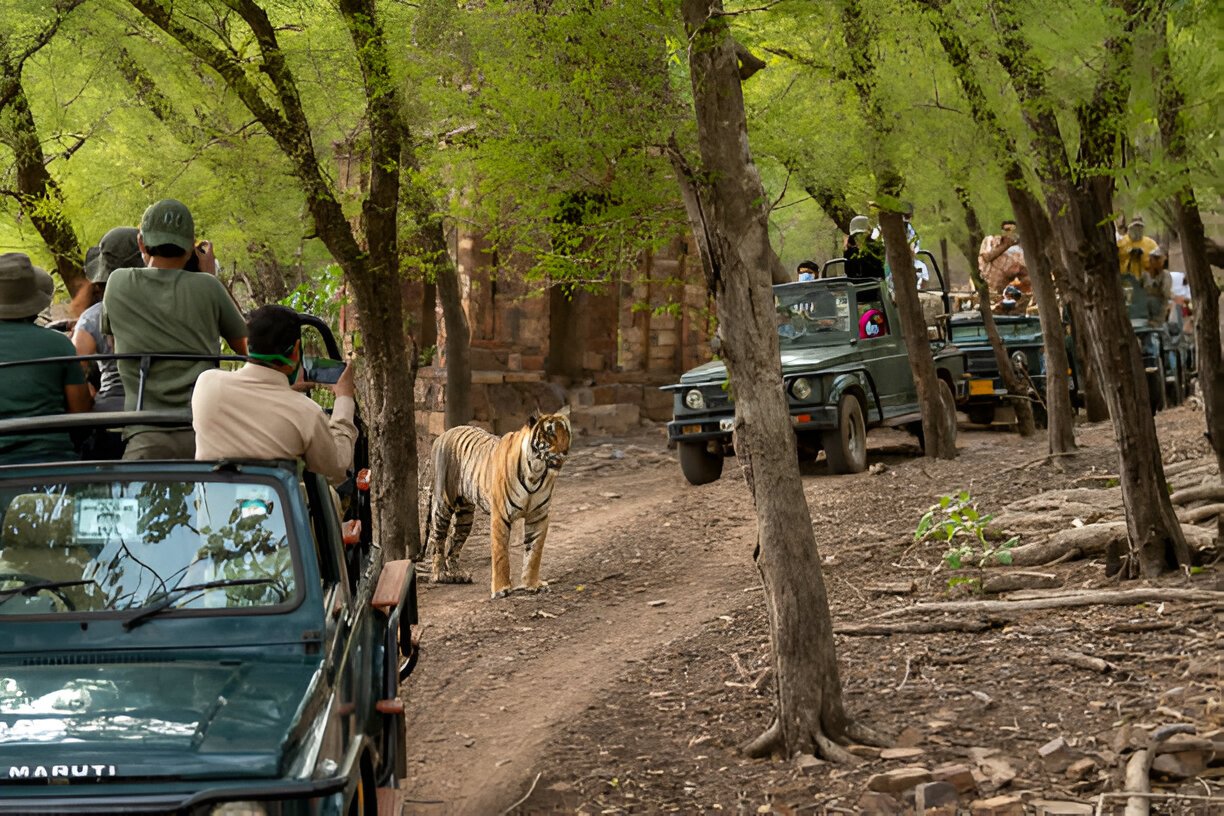
So, you’re thinking about visiting Ranthambore National Park? Great choice! This place is one of the best spots in India for seeing majestic Bengal tigers in the wild. But hold on—before you pack your bags and book that safari, let’s talk about the best time to visit Ranthambore to make the most of your trip.
The Prime Time: October to April
If you’re looking for the sweet spot when it comes to weather and wildlife sightings, October to April is your best bet. This is when the park is at its most comfortable, making it perfect for safaris, photography, and just soaking in the wilderness.
Why is this period the best?
- Pleasant weather: The temperature ranges from 10°C to 30°C (50°F to 86°F), making it perfect for those early morning and late afternoon safaris.
- Active wildlife: The cooler months mean that animals, including tigers, are out and about, soaking up the winter sun instead of hiding in dense forests.
- Better overall experience: No extreme heat, no heavy monsoons, and just the right amount of chill to make your safari a blast.
The Ultimate Tiger Spotting Season: March to May
Now, if your main goal is to see tigers in action, then the summer months, March to May, are actually better. Yeah, it gets hot (temperatures can reach 40°C or 104°F), but there’s a reason why tiger lovers pick this time:
- Less vegetation: Since it’s dry, there aren’t a lot of leaves and tall grass blocking your view.
- Higher chances of spotting tigers: With water sources drying up, animals (including tigers) gather around lakes and watering holes. That means you’re more likely to catch a tiger in action!
Park Opening & Closing Dates
- Ranthambore National Park is open from October 1st to June 30th.
- The park is closed from July to September due to monsoon rains, which make safaris unsafe and the roads inside the park too messy to navigate.
What About the Monsoon Season?

From July to September, Ranthambore is closed to visitors due to heavy rains. The monsoons turn the park into a lush green paradise, but they also make it too dangerous for safaris. However, the buffer zones (Zones 6-10) remain open even when the core zones (1-5) are shut down. So, if you’re eager to experience Ranthambore during the rainy season, you can still check out these zones, though tiger sightings are rare during this time.
Bonus for Birdwatchers: Winter Months
If you love birdwatching, then the winter months, November to February, are the ultimate jackpot. During this time, migratory birds from colder regions like Siberia and Europe make Ranthambore their temporary home. You’ll get to see:
- Painted storks
- Indian skimmers
- Flamingos
- Pelicans
- Various species of eagles, owls, and kingfishers
Safari Timings: Plan Your Trip Smartly
Safaris in Ranthambore are usually scheduled for early mornings and late afternoons, as that’s when the wildlife is most active. Here’s a breakdown:
- Winter (October – March):
- Morning safari: 6:30 AM – 10:30 AM
- Afternoon safari: 2:00 PM – 6:00 PM
- Summer (April – June):
- Morning safari: 6:00 AM – 9:30 AM
- Afternoon safari: 3:00 PM – 6:30 PM
So, When Should You Go?
- For the best weather and an all-around great experience: October to April
- For the best chance to see tigers: March to May
- For birdwatching: November to February
- Avoid the monsoon season (July – September) since the park is mostly closed
Book a Tour for a Hassle-Free Experience
Now that you know when to visit, let’s talk about making your trip smooth and safe. Booking your safari through a travel agency is the way to go. Here’s why:
- Guaranteed entry: Safari permits sell out fast, and agencies can secure your spot in advance.
- Local expert guides: They know exactly where to find the best wildlife action.
- Comfort & safety: You don’t have to worry about logistics or getting lost in the jungle.
Ranthambore is a once-in-a-lifetime experience, so why take any risks? Book your tour now and get ready for an epic adventure in the wild!