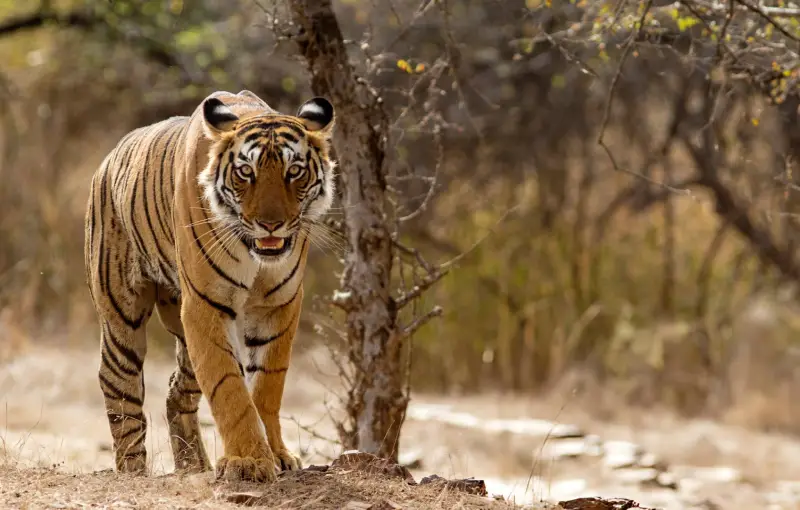
If you’re a wildlife photography enthusiast, Ranthambore National Park should be high on your bucket list. Nestled in Rajasthan, this incredible reserve is world-famous for its tiger population, diverse landscapes, and rich biodiversity. Whether you’re chasing the perfect tiger shot or capturing the serene beauty of the jungle, Ranthambore is a paradise for photographers.
What Makes Ranthambore a Top Spot for Photography?
Ranthambore isn’t just about tigers (though they are the stars of the show). The park is a dream location for capturing:
- Tigers in Their Natural Habitat: Ranthambore is one of the best places in the world to photograph Bengal tigers. With a little luck and patience, you can get stunning close-ups of these majestic cats in action.
- Sambar Deer: If you want the best photos of Sambar deer, Ranthambore is unmatched. The light and setting here make for some amazing wildlife shots.
- Bird Photography: If you’re a bird lover, you’ll find an incredible variety of species, especially those that thrive in dry habitats.
- Heritage and Landscapes: The ancient ruins of Ranthambore Fort and old temples hidden in the jungle add a unique historical element to your photography.
- Other Wildlife: You’ll also spot leopards, sloth bears, hyenas, jackals, and an abundance of other animals.
Best Zones for Photography
If you’re wondering where to go for the best shots, here’s a breakdown of the most photogenic zones in Ranthambore:
- Zones 3 and 4: Known for their lush greenery, lakes, and stunning landscapes, these zones are ideal for nature and wildlife photographers. You’ll also have a high chance of spotting tigers here.
- Zones 1-5: These are the best for tiger sightings. If you want to capture tigers in action, early morning or late afternoon safaris in these zones are your best bet.
- Zone 6-10: While these zones are less crowded, they still offer incredible wildlife photography opportunities, including birdwatching and landscape shots.
Best Time for Photography in Ranthambore
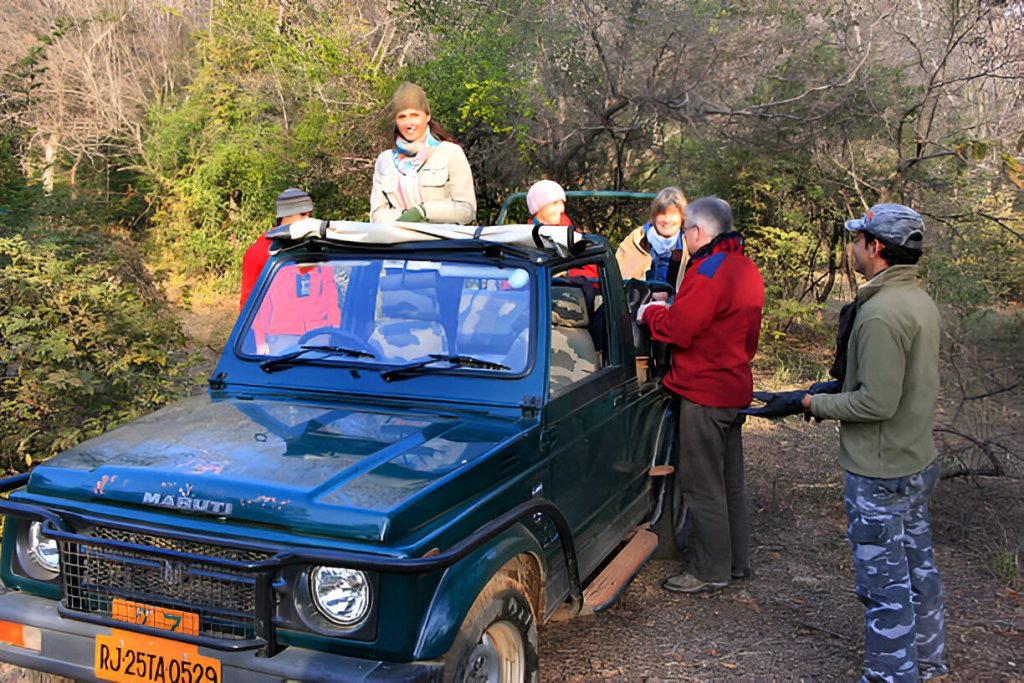
Timing is everything when it comes to photography, and Ranthambore offers different experiences depending on the season:
- Winter (October to March): Cooler temperatures make it a pleasant time to explore. The foggy mornings create a mysterious and dreamy effect, making for some unique shots.
- Summer (April to June): This is the best season for tiger photography! The extreme heat forces tigers and other animals to visit water sources frequently, increasing your chances of capturing some amazing wildlife moments.
- Monsoon (July to September): Ranthambore is closed for safaris during monsoon, but the lush greenery post-monsoon offers a fresh perspective when the park reopens.
Photography Tips for Ranthambore
- Use a Telephoto Lens: A 200-600mm lens will help you capture wildlife from a distance without disturbing the animals.
- Golden Hours are Key: Early morning and late evening safaris offer the best lighting conditions.
- Be Ready for Action: Animals don’t wait for you to set up the perfect shot. Keep your camera on high-speed continuous shooting mode.
- Respect the Wildlife: Always maintain a safe distance and avoid making loud noises to keep the animals comfortable in their habitat.
- Book Multiple Safaris: The more safaris you book, the better your chances of capturing that perfect shot.
Why You Should Book a Tour for the Best Experience
If you’re serious about wildlife photography, booking a guided safari through a travel agency is your best bet. Not only do professional guides know the best zones for sightings, but they also understand animal behavior, helping you position yourself for the perfect shot. Plus, booking a tour ensures a smooth and safe trip, allowing you to focus on photography instead of logistics.
Ranthambore is a paradise for wildlife photographers, and whether you’re a professional or just starting, you’re bound to leave with incredible shots and unforgettable memories. Ready to capture the wild beauty of Rajasthan? Book your safari now and get your camera ready!