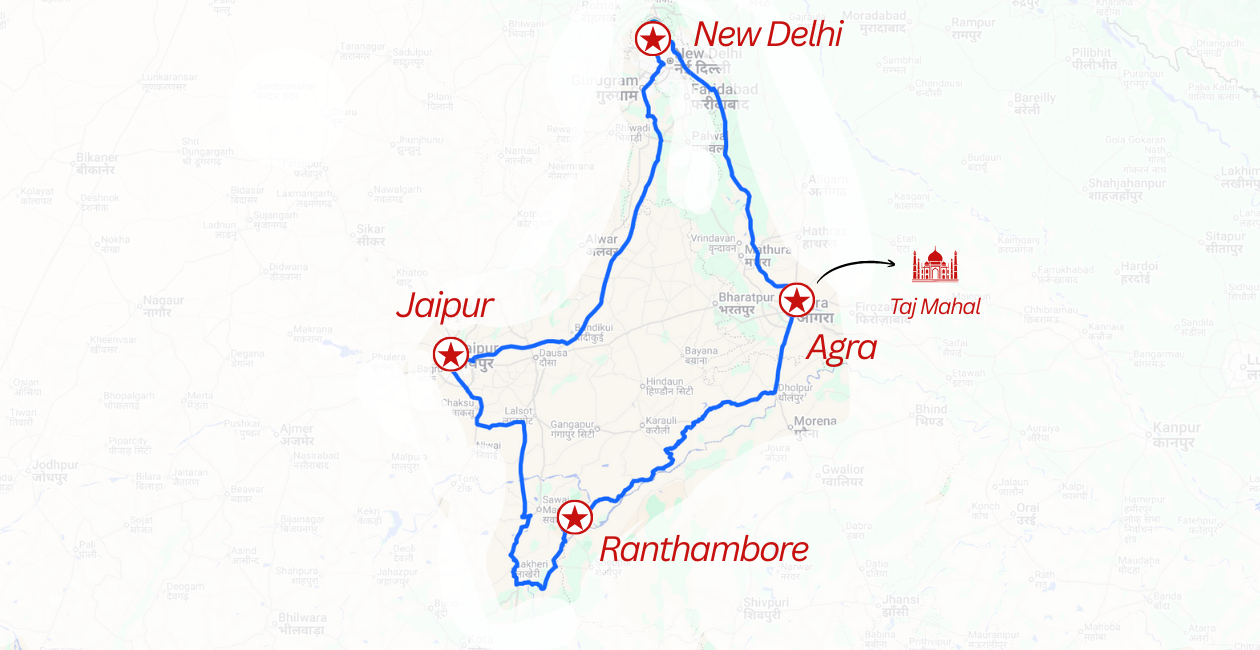
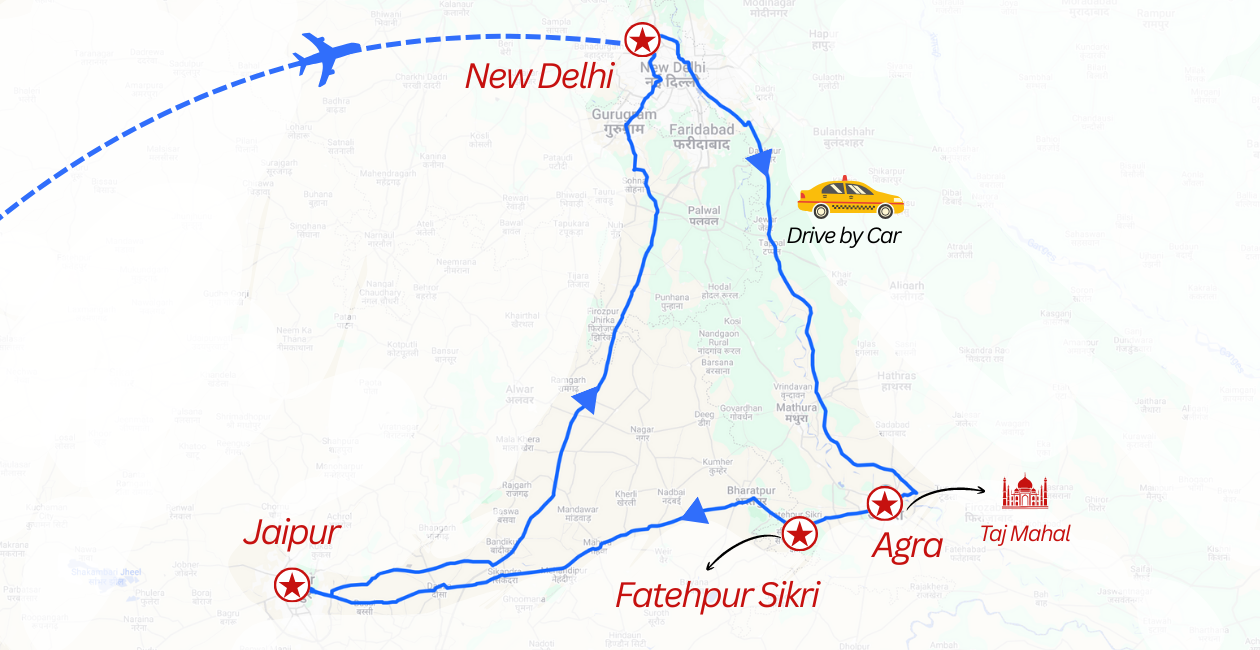
Ranthambore is an iconic tourist destination in India and is rapidly becoming more famous for its epic flora and fauna, tiger and wildlife sightseeing, and historic fort. Situated around 175 km (108 miles) from the capital city of Jaipur, Ranthambore lies in the Sawai Madhopur region of Rajasthan and is a highly coveted destination for wildlife lovers and adventure seekers.
The National Park is home to various wildlife animals such as Royal Bengal Tiger, Sloth Bears, Marsh Crocodile, and Desert Fox, along with different species of mammals, reptiles, and birds. Discover the wilderness of Ranthambore National Park as you witness its amazing animals, birds and mammals in their native habitat.
The history of Ranthambore National Park relates to 1955 when the Government of India set it up as Sawai Madhopur Game Sanctuary. Later in 1973, it was included in one of the Project Tiger Reserves in India. In the year 1980, it was declared as a National Park. More than a national park, it is also a part of India’s history of forts and palaces. The Ranthambore Fort in the area is a UNESCO World Heritage Site and dates back to the 5th Century.
The fort reminds us of the times of the past and has become a popular tourist attraction in the region. Both, the fort and the national park are a look into India’s history of kings as well as India’s wildlife treasures.
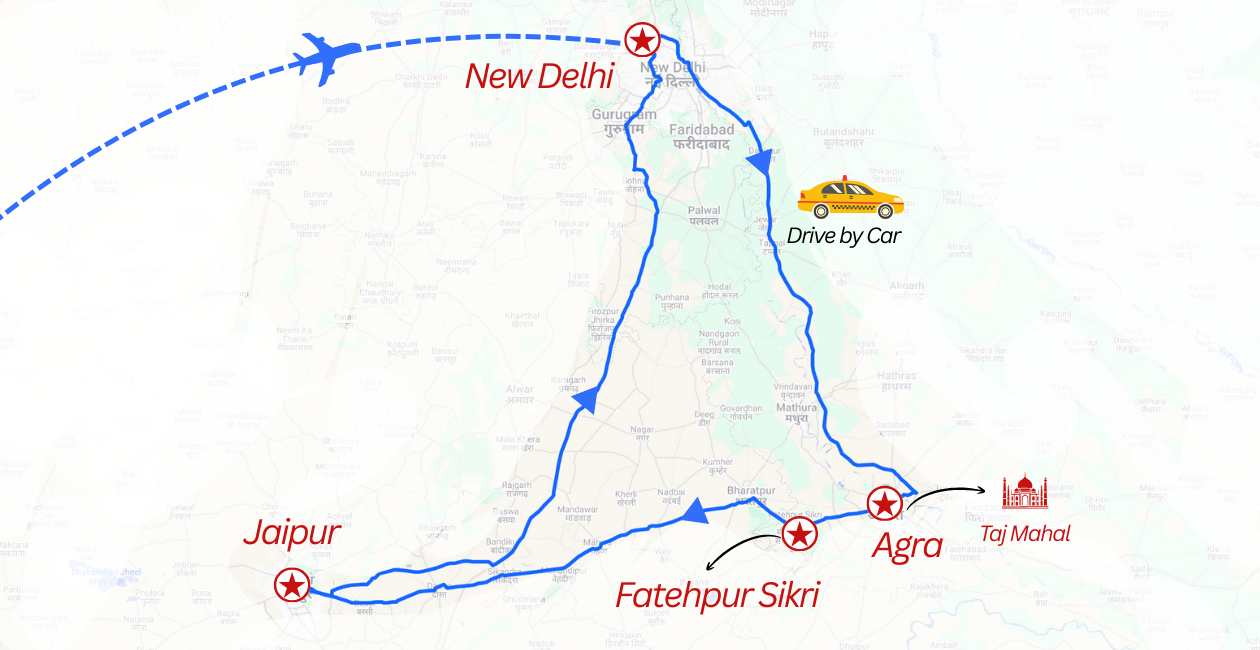
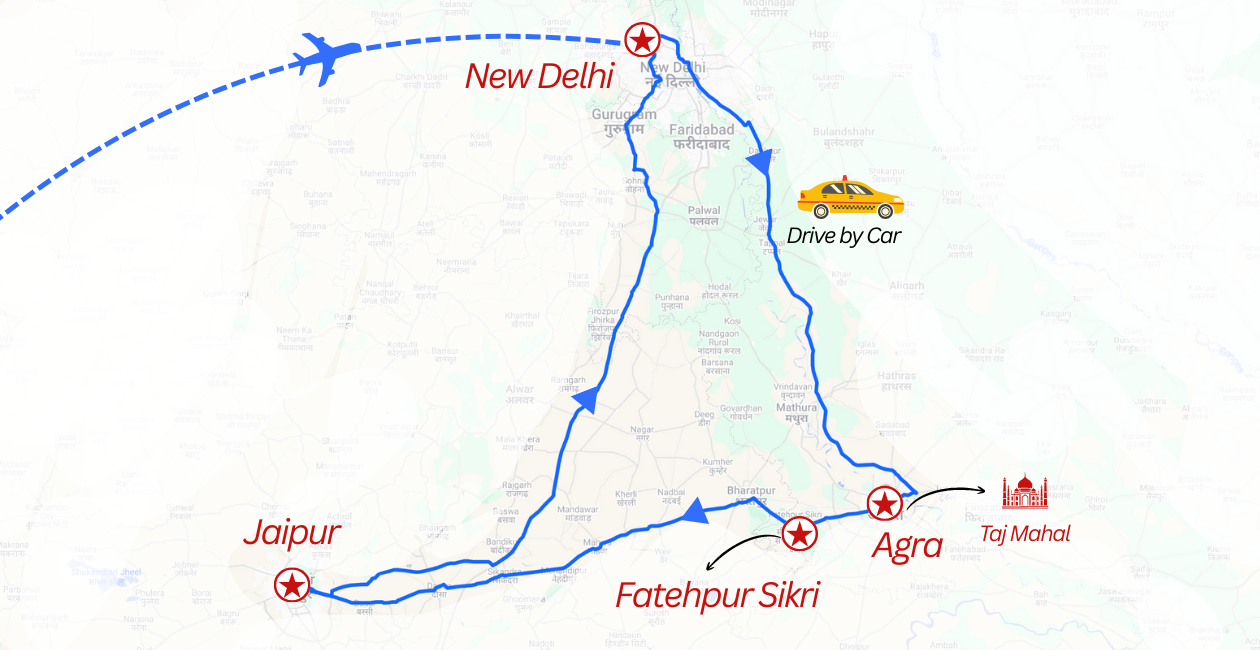
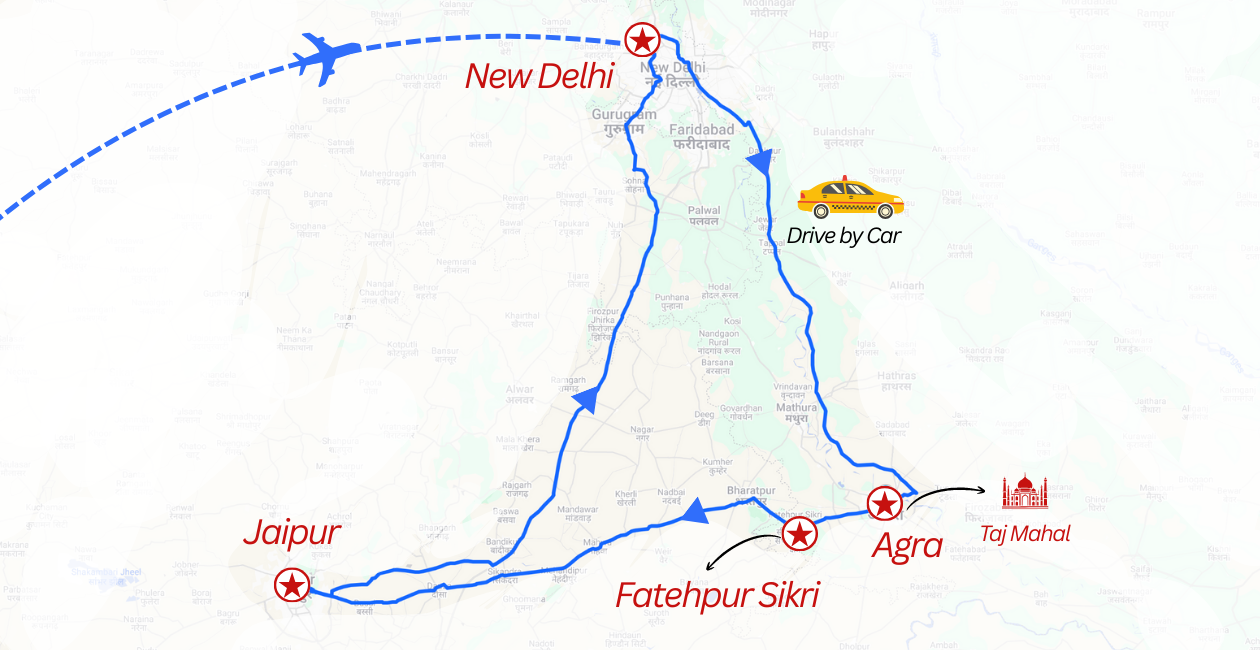
Ranthambore National Park lies in the Sawai Madhopur region of Rajasthan. The place is well connected by Roads and Railways. The closest International Airport to Ranthambore is in Jaipur. However, road and rail journeys are the best medium to travel to Ranthambore.
Ranthambore is connected with all major Indian highways. Sawai Madhopur is the nearest railway station if you wish to take a train to this place.
Though the Ranthambore National Park is famous for its mighty Royal Bengal Tiger, there are other amazing flora and fauna to see and discover. To
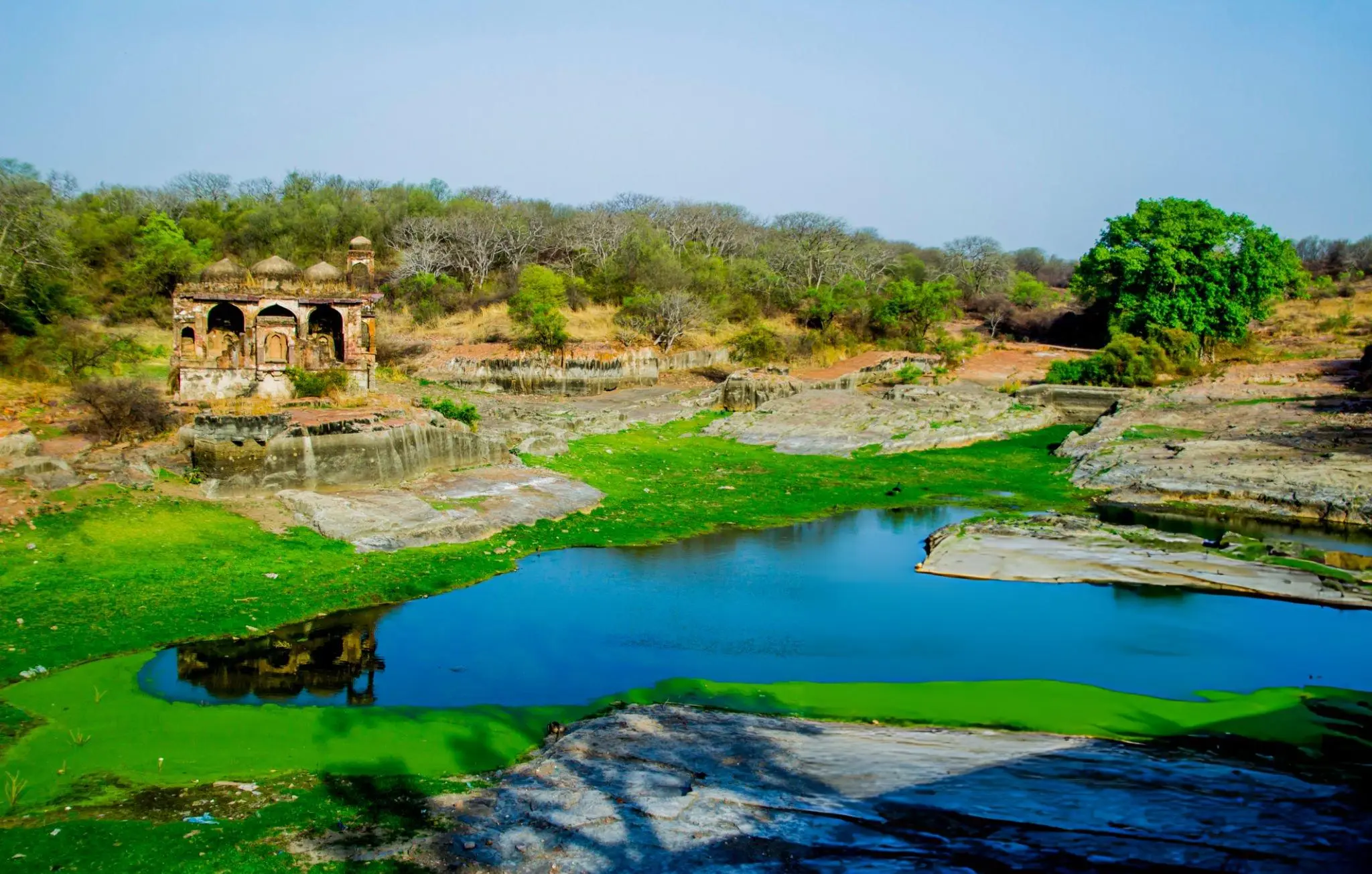
If you’re heading to India and Ranthambore National Park is on your radar (and trust us, it should be), you’ve got to check out one
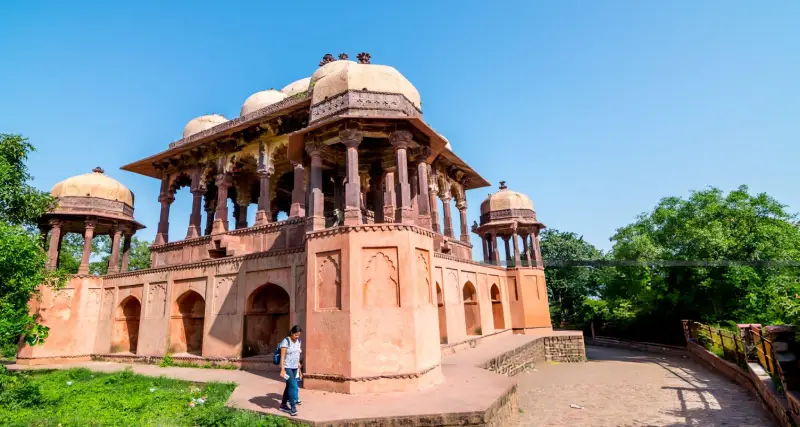
Tucked deep inside Ranthambore National Park in Rajasthan, India, Ranthambore Fort is where epic battles, royal grandeur, and raw nature collide. Sitting atop a rugged
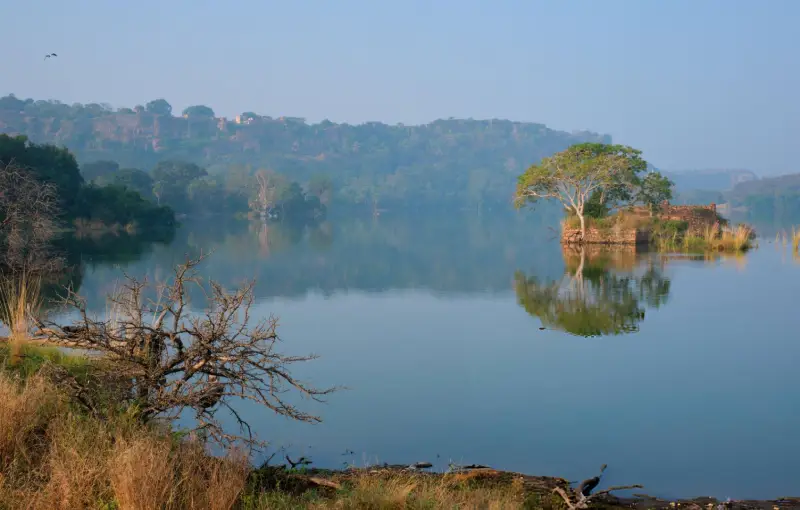
If you’re venturing into the jungles of Rajasthan’s Ranthambore National Park, there’s one place that’s guaranteed to steal your heart (and your camera roll): Padam
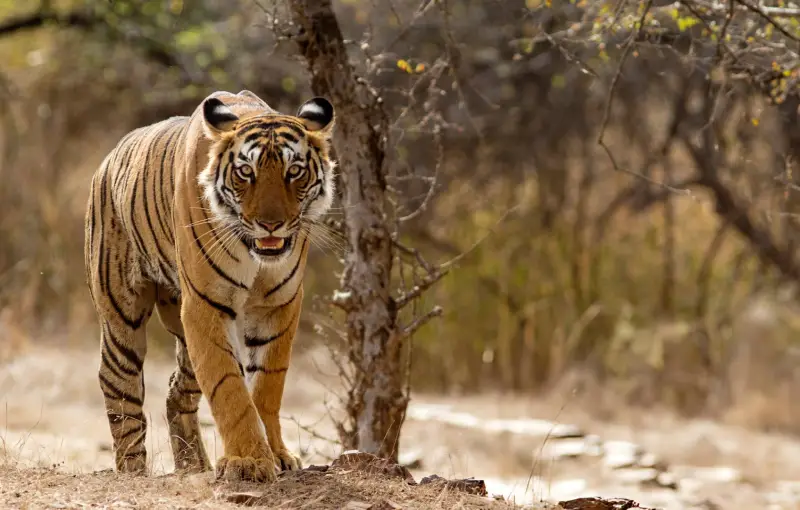
Ranthambore National Park is one of India’s top wildlife destinations, and it’s easy to see why. Nestled in the southeastern corner of Rajasthan, this legendary
Ranthambore arguably has one of the best wildlife resorts providing unmatched hospitality, tranquility and exemplary accommodation and services. From budget hotels to extravagant stays, you can find it all in Ranthambore.
Here are some of the best accommodations and hotel options in Ranthambore –
One of the most awaited seasons to visit the Ranthambore National Park is from October to March. The reason being, these months the chances of spotting the best of animals like the Royal Bengal Tiger are more. During the winter months, Tigers often come to fields to lie in bright and warm sunlight. These months are also the most pleasant months for outdoor wildlife exploration.
Visitors can book Ranthambore Safari from October to March when it is open for tourists. This is also the best time as the weather remains pleasant throughout. You can book your tour from the official website of Ranthambore National Park or can seek assistance from your travel agency.
It is advised to wear light, natural fabric clothes during summertime wildlife safari. It is also recommended to wear earthy color tones so that you can mix with the surroundings. Please do not wear flashy clothes and red colors. Also please carry a face mask as the jungle can be dusty.
During the extreme Winter Season of Dec-Jan, consider wearing warm jackets, sweaters, caps, and gloves as it can be very dry and cold during these months. For the rest of the months, the day time is pleasant and warm.